

Anti-ACP2 Antibody Picoband® 0,00647 Vervoeging
Kwaliteit
ISO Gecertificeerd
Levering
24-48 uur
Technische Specificaties
Lysosomal acid phosphatase is an enzyme that in humans is encoded by the ACP2 gene. The protein encoded by this gene belongs to the histidine acid phosphatase family, which hydrolyze orthophosphoric monoesters to alcohol and phosphate. This protein is localized to the lysosomal membrane, and is chemically and genetically distinct from the red cell acid phosphatase. Mice lacking this gene showed multiple defects, including bone structure alterations, lysosomal storage defects, and an increased tendency towards seizures. An enzymatically-inactive allele of this gene in mice showed severe growth retardation, hair-follicle abnormalities, and an ataxia-like phenotype. Alternatively spliced transcript variants have been found for this gene. A C-terminally extended isoform is also predicted to be produced by the use of an alternative in-frame translation termination codon via a stop codon readthrough mechanism.
AP-2 complex subunit beta; AP105B; Adaptor protein complex AP-2 subunit beta; Adaptor-related protein complex 2 subunit beta; Beta-2-adaptin; Beta-adaptin; Clathrin assembly protein complex 2 beta large chain; Plasma membrane adaptor HA2/AP2 adaptin beta subunit; AP2B1; ADTB2, CLAPB1
ACP2
53
P11117
• Rabbit
Human, Mouse, Rat
No cross-reactivity with other proteins.
A synthetic peptide corresponding to a sequence at the N-terminus of human ACP2, which shares 100% and 96.4% amino acid (aa) sequence identity with mouse and rat ACP2, respectively.
• Polyclonal
Widely expressed, at a low level, and the highest expression is observed in skeletal muscle and brain. Also detected in fetal liver.
Flow Cytometry
Adapters, Coat Proteins, Cytoplasmic, Protein Trafficking, Signal Transduction, Vesicle Transport
Immunogen affinity purified.
Liquid
Component of the adaptor protein complex 2 (AP-2) . Adaptor protein complexes function in protein transport via transport vesicles in different membrane traffic pathways. Adaptor protein complexes are vesicle coat components and appear to be involved in cargo selection and vesicle formation. AP-2 is involved in clathrin-dependent endocytosis in which cargo proteins are incorporated into vesicles surrounded by clathrin (clathrin- coated vesicles, CCVs) which are destined for fusion with the early endosome. The clathrin lattice serves as a mechanical scaffold but is itself unable to bind ly to membrane components. Clathrin-associated adaptor protein (AP) complexes which can bind ly to both the clathrin lattice and to the lipid and protein components of membranes are considered to be the major clathrin adaptors contributing the CCV formation. AP-2 also serves as a cargo receptor to selectively sort the membrane proteins involved in receptor-mediated endocytosis. AP-2 seems to play a role in the recycling of synaptic vesicle membranes from the presynaptic surface. AP-2 recognizes Y-X-X-[FILMV] (Y-X-X-Phi) and [ED]-X-X-X-L-[LI] endocytosis signal motifs within the cytosolic tails of transmembrane cargo molecules. AP-2 may also play a role in maintaining normal post-endocytic trafficking through the ARF6-regulated, non-clathrin pathway. The AP-2 beta subunit acts via its C-terminal appendage domain as a scaffolding platform for endocytic accessory proteins; at least some clathrin- associated sorting proteins (CLASPs) are recognized by their [DE]- X (1,2) -F-X-X-[FL]-X-X-X-R motif. The AP-2 beta subunit binds to clathrin heavy chain, promoting clathrin lattice assembly; clathrin displaces at least some CLASPs from AP2B1 which probably then can be positioned for further coat assembly. .
1. Beckman, G., Beckman, L., Tarnvik, A. A rare subunit variant shared by five acid phosphatase isozymes from human leukocytes and placentae. Hum. Hered. 20: 81-85, 1970. 2. Bruns, G. A. P., Gerald, P. S. Human acid phosphatase in somatic cell hybrids. Science 184: 480-482, 1974. 3. Harris, H., Hopkinson, D. A., Robson, E. B. The incidence of rare alleles determining electrophoretic variants: data on 43 enzyme loci in man. Ann. Hum. Genet. 37: 237-253, 1974.
At -20 ̊C for one year from date of receipt. Avoid repeated freezing and thawing. Protect from light.
104553 MW
6
AP-2 complex subunit beta
Cell membrane . Membrane, coated pit ; Peripheral membrane protein ; Cytoplasmic side . AP-2 appears to be excluded from internalizing CCVs and to disengage from sites of endocytosis seconds before internalization of the nascent CCV.
AP-2 complex subunit beta
Rabbit IgG
Each vial contains 50% glycerol, 0.9% NaCl, 0.2% Na2HPO4, 0.02% NaN3.
Beschrijving
Anti-ACP2 Antibody Picoband® 0,00647 Vervoeging Beschikbaar in 100 µg/Vial. Bestel eenvoudig online met snelle levering.
Specificaties
Recent bekeken producten
Anti- Protein A Antibody
GWB-E66F30
1 mL
Recombinant TAFV GP1 Protein, C-Fc
EVV03609
100 μg
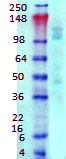
Gabbr1 Mouse Monoclonal Antibody [Clone ID: S93A-49]
TA326530
100 µg
BSA-Myc/DDK Control Protein
AR100025
50 µL
NH-6
ABC-TC0826
1 Vial
Anti-TAT (Thrombin-antithrombin) Antibody
ABS 014-22-1
1000 µL
Anti-APOE2 mouse monoclonal antibody
TD-AB0132
100 µg
CD35 (CR1) mouse monoclonal antibody, clone J3D3, Azide Free
BM2364
0.2 mg
Recent gezochte producten
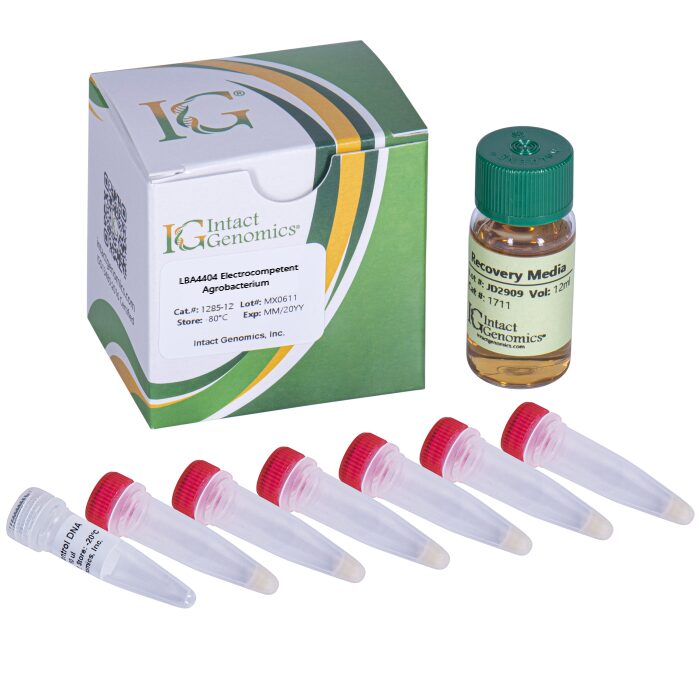
LBA4404 Agrobacterium ElectroCompetent Cells
1285-20
10x 50 µL
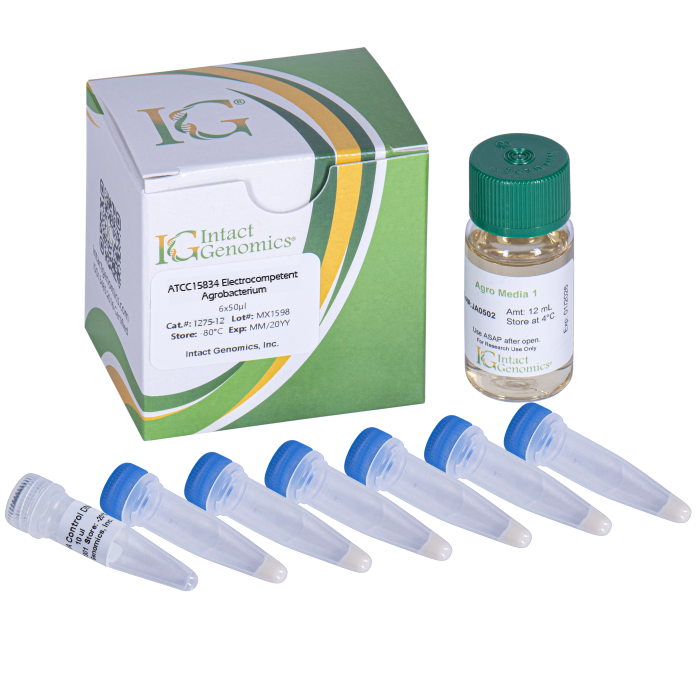
ATCC15834 Agrobacterium ElectroCompetent Cells
1275-36
18x 50 µL
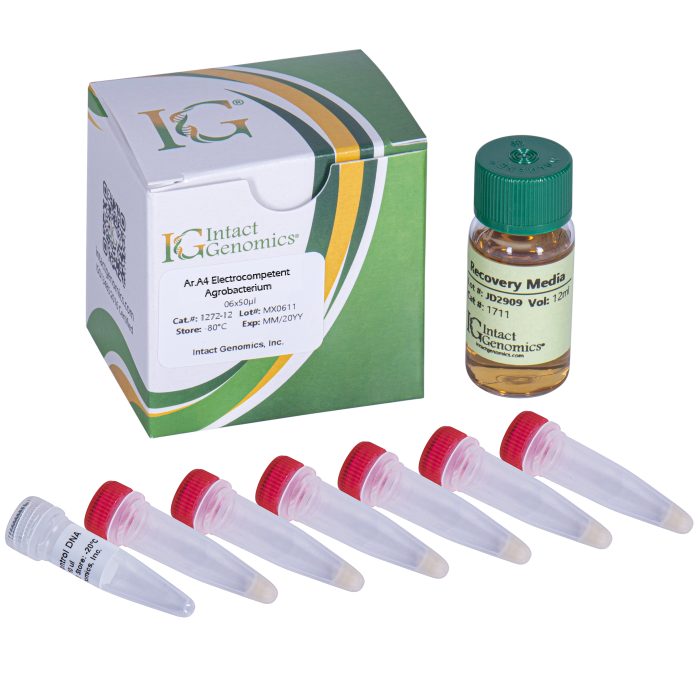
Ar.A4 Agrobacterium ElectroCompetent Cells
1272-12
6x 50 µL
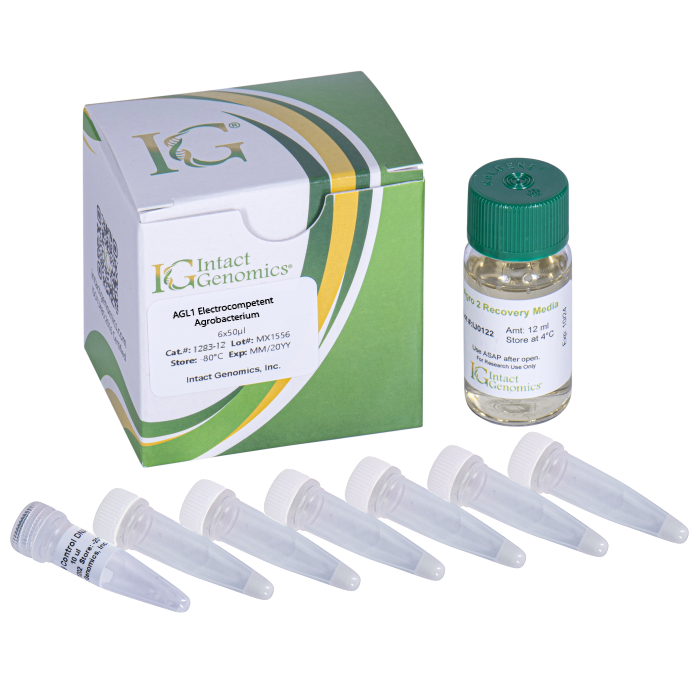
AGL1 Agrobacterium ElectroCompetent Cells
1283-12
6x 50 µL
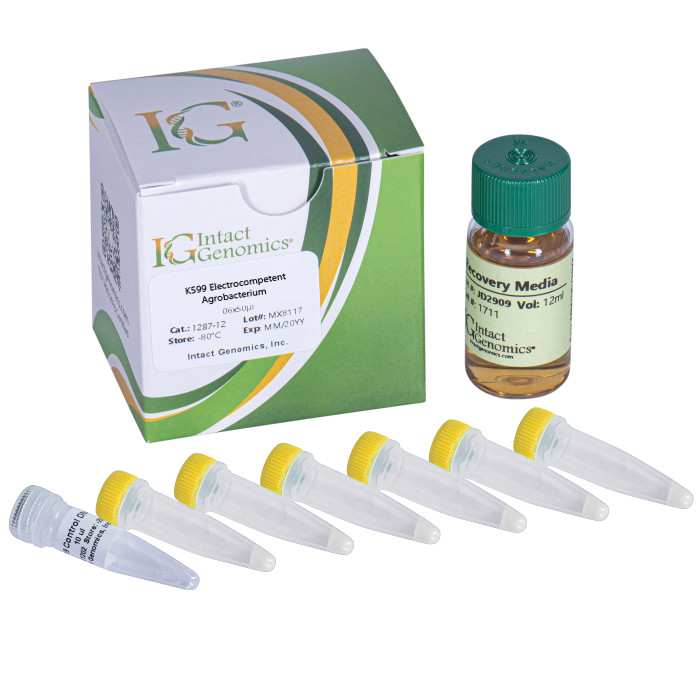
K599 Agrobacterium ElectroCompetent Cells
1287-12
6x 50 µL
AGL1 Agrobacterium ElectroCompetent Cells
1283-20
10x 50 µL
Ar.A4 Agrobacterium ElectroCompetent Cells
1272-36
18x 50 µL
AGL1 Agrobacterium ElectroCompetent Cells
1283-36
18x 50 µL