

Anti-ADRB1 Antibody Picoband® fluoro594 Vervoeging
Kwaliteit
ISO Gecertificeerd
Levering
24-48 uur
Technische Specificaties
The beta-1 adrenergic receptor (β1 adrenoceptor), also known as ADRB1, is a beta-adrenergic receptor, and also denotes the human gene encoding it. The adrenergic receptors (subtypes alpha 1, alpha 2, beta 1, and beta 2) are a prototypic family of guanine nucleotide binding regulatory protein-coupled receptors that mediate the physiological effects of the hormone epinephrine and the neurotransmitter norepinephrine. Beta-1 adrenoceptors are predominately located in the heart. Specific polymorphisms in this gene have been shown to affect the resting heart rate and can be involved in heart failure.
Serine/threonine-protein kinase Sgk1; Serum/glucocorticoid-regulated kinase 1; SGK1; SGK
ADRB1
153
P08588
• Rabbit
Mouse, Rat
No cross-reactivity with other proteins.
A synthetic peptide corresponding to a sequence at the C-terminus of human ADRB1, which shares 81.2% amino acid (aa) sequence identity with mouse and rat ADRB1.
• Polyclonal
Expressed in most tissues with highest levels in the pancreas, followed by placenta, kidney and lung. Isoform 2 is strongly expressed in brain and pancreas, weaker in heart, placenta, lung, liver and skeletal muscle.
Flow Cytometry
Drug Metabolism, Metabolic Signaling Pathways, Metabolism, Pathways and Processes, Signal Transduction
Immunogen affinity purified.
Liquid
Serine/threonine-protein kinase which is involved in the regulation of a wide variety of ion channels, membrane transporters, cellular enzymes, transcription factors, neuronal excitability, cell growth, proliferation, survival, migration and apoptosis. Plays an important role in cellular stress response. Contributes to regulation of renal Na+ retention, renal K+ elimination, salt appetite, gastric acid secretion, intestinal Na+/H+ exchange and nutrient transport, insulin-dependent salt sensitivity of blood pressure, salt sensitivity of peripheral glucose uptake, cardiac repolarization and memory consolidation. Up-regulates Na+ channels: SCNN1A/ENAC, SCN5A and ASIC1/ACCN2, K+ channels: KCNJ1/ROMK1, KCNA1-5, KCNQ1-5 and KCNE1, epithelial Ca2+ channels: TRPV5 and TRPV6, chloride channels: BSND, CLCN2 and CFTR, glutamate transporters: SLC1A3/EAAT1, SLC1A2 /EAAT2, SLC1A1/EAAT3, SLC1A6/EAAT4 and SLC1A7/EAAT5, amino acid transporters: SLC1A5/ASCT2, SLC38A1/SN1 and SLC6A19, creatine transporter: SLC6A8, Na+/dicarboxylate cotransporter: SLC13A2/NADC1, Na+-dependent phosphate cotransporter: SLC34A2/NAPI-2B, glutamate receptor: GRIK2/GLUR6. Up-regulates carriers: SLC9A3/NHE3, SLC12A1/NKCC2, SLC12A3/NCC, SLC5A3/SMIT, SLC2A1/GLUT1, SLC5A1/SGLT1 and SLC15A2/PEPT2. Regulates enzymes: GSK3A/B, PMM2 and Na+/K+ ATPase, and transcription factors: CTNNB1 and nuclear factor NF-kappa-B. Stimulates sodium transport into epithelial cells by enhancing the stability and expression of SCNN1A/ENAC. This is achieved by phosphorylating the NEDD4L ubiquitin E3 ligase, promoting its interaction with 14-3-3 proteins, thereby preventing it from binding to SCNN1A/ENAC and targeting it for degradation. Regulates store-operated Ca (+2) entry (SOCE) by stimulating ORAI1 and STIM1. Regulates KCNJ1/ROMK1 ly via its phosphorylation or inly via increased interaction with SLC9A3R2/NHERF2. Phosphorylates MDM2 and activates MDM2-dependent ubiquitination of p53/TP53. Phosphorylates MAPT/TAU and mediates microtubule depolymerization and neurite formation in hippocampal neurons. Phosphorylates SLC2A4/GLUT4 and up-regulates its activity. Phosphorylates APBB1/FE65 and promotes its localization to the nucleus. Phosphorylates MAPK1/ERK2 and activates it by enhancing its interaction with MAP2K1/MEK1 and MAP2K2/MEK2. Phosphorylates FBXW7 and plays an inhibitory role in the NOTCH1 signaling. Phosphorylates FOXO1 resulting in its relocalization from the nucleus to the cytoplasm. Phosphorylates FOXO3, promoting its exit from the nucleus and interference with FOXO3-dependent transcription. Phosphorylates BRAF and MAP3K3/MEKK3 and inhibits their activity. Phosphorylates SLC9A3/NHE3 in response to dexamethasone, resulting in its activation and increased localization at the cell membrane. Phosphorylates CREB1. Necessary for vascular remodeling during angiogenesis. Sustained high levels and activity may contribute to conditions such as hypertension and diabetic nephropathy. Isoform 2 exhibited a greater effect on cell plasma membrane expression of SCNN1A/ENAC and Na+ transport than isoform 1.
1. Bachman, E. S., Dhillon, H., Zhang, C.-Y., Cinti, S., Bianco, A. C., Kobilka, B. K., Lowell, B. B. Beta-AR signaling required for diet-induced thermogenesis and obesity resistance. Science 297: 843-845, 2002. 2. Cagliani, R., Fumagalli, M., Pozzoli, U., Riva, S., Comi, G. P., Torri, F., Macciardi, F., Bresolin, N., Sironi, M. Diverse evolutionary histories for beta-adrenoreceptor genes in humans. Am. J. Hum. Genet. 85: 64-75, 2009. 3. Dionne, I. J., Garant, M. J., Nolan, A. A., Pollin, T. I., Lewis, D. G., Shuldiner, A. R., Poehlman, E. T. Association between obesity and a polymorphism in the beta-1-adrenoceptor gene (gly389arg ADRB1) in Caucasian women. Int. J. Obes. Relat. Metab. Disord. 26: 633-639, 2002.
At -20 ̊C for one year from date of receipt. Avoid repeated freezing and thawing. Protect from light.
129383 MW
6
Serum/glucocorticoid regulated kinase 1
Mitochondrion. Endoplasmic reticulum membrane. Cell membrane. Nucleus. Cytoplasm.
Thrombospondin-1
Rabbit IgG
Each vial contains 50% glycerol, 0.9% NaCl, 0.2% Na2HPO4, 0.02% NaN3.
Beschrijving
Anti-ADRB1 Antibody Picoband® fluoro594 Vervoeging Beschikbaar in 100 µg/Vial. Bestel eenvoudig online met snelle levering.
Specificaties
Recent bekeken producten
Arachis hypogaea Lectin (PNA) - Biotinylated
21510020-1
5mg
1,4- Dioxane Pure
1041330 500
500 mL
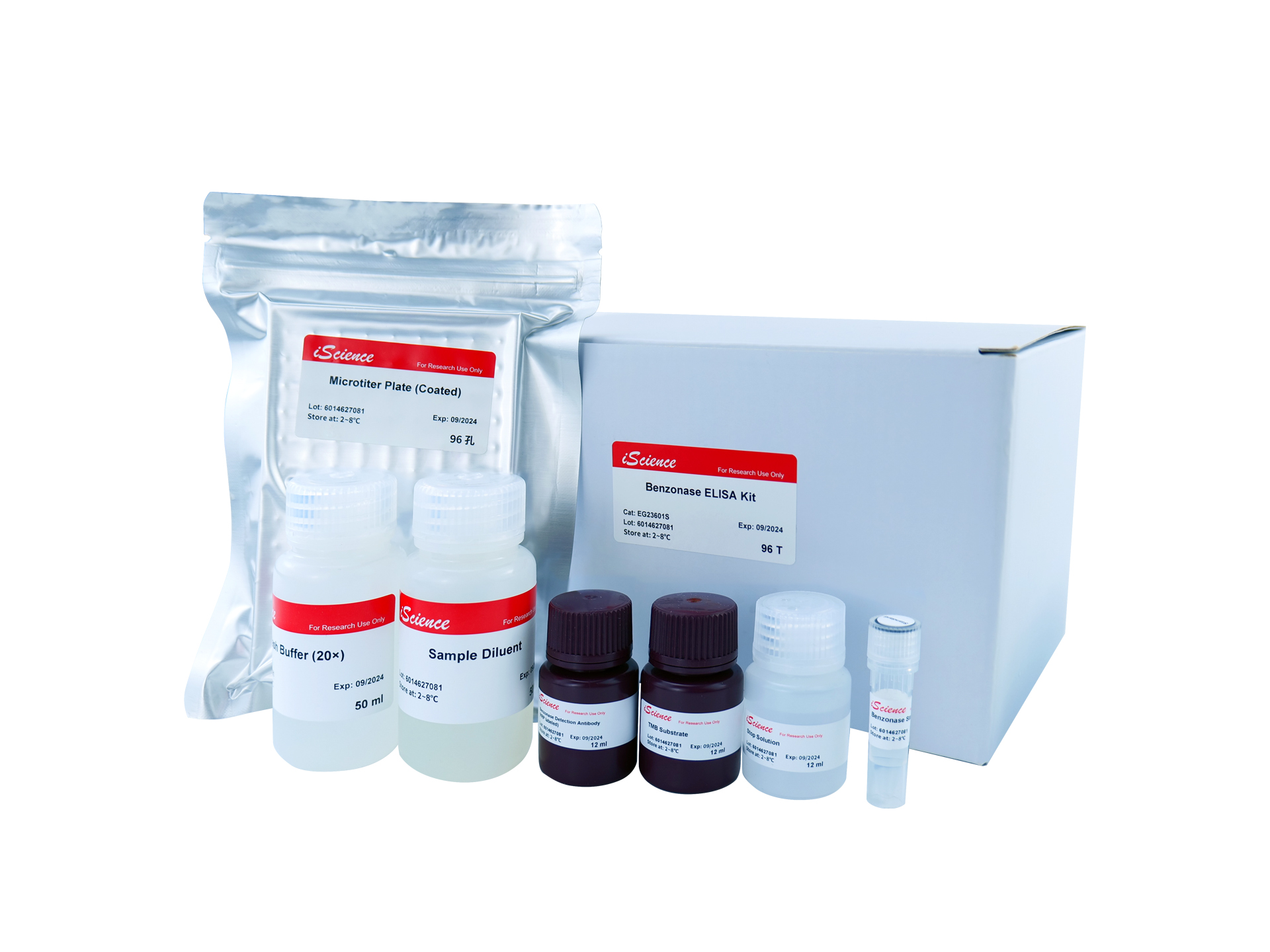
Benzonase ELISA Kit
EG23601S
96 Tests

Not I Restriction Enzyme
B2016623
500 Units
K562-HLA-G0101 Overexpressing Cell Line
RG-1214
5x 10^6
Yeast Poly (A) Polymerase
RNT-006-S
30000 Units
Arachis hypogaea lectin (PNA)
05-0116-10mg
10 mg
Anti-APOE2 mouse monoclonal antibody
TD-AB0132
100 µg