

Anti-aquaporine 0/MIP Antibody Picoband® fluoro647 Vervoeging
Kwaliteit
ISO Gecertificeerd
Levering
24-48 uur
Technische Specificaties
Lens fiber major intrinsic protein also called MIP26 or MP26 is a protein that in humans is encoded by the MIP gene. MIP is a member of the water-transporting aquaporins as well as the original member of the MIP family of channel proteins. Using 2-color fluorescence in situ hybridization on high-resolution R-banded chromosomes and human genomic DNA clones for MIP as probes, this gene was found that located in close proximity in region 12q13. MIP plays a crucial role in the development of a transparent eye lens. This gene may be responsible for regulating the osmolarity of the lens and interactions between homotetramers from adjoining membranes may stabilize cell junctions in the eye lens core.
Lens fiber major intrinsic protein; Aquaporin-0; MIP26; MP26; Mip
MIP
25480
P09011
• Rabbit
Human, Mouse, Rat
No cross-reactivity with other proteins
A synthetic peptide corresponding to a sequence at the C-terminus of mouse Aquaporin 0, identical to the related rat sequence, and different from the related human sequence by two amino acids.
• Polyclonal
Major component of lens fiber gap junctions.
Flow Cytometry
Atherosclerosis, Cardiovascular, Chemokines, Immunology, Innate Immunity, Macrophage/Inflammation, Vascular Inflammation
Immunogen affinity purified.
Liquid
Water channel. Channel activity is down-regulated by CALM when cytoplasmic Ca (2+) levels are increased. May be responsible for regulating the osmolarity of the lens. Interactions between homotetramers from adjoining membranes may stabilize cell junctions in the eye lens core (By similarity) . .
1. Berry, V., Francis, P., Kaushal, S., Moore, A., Bhattacharya, S. Missense mutations in MIP underlie autosomal dominant 'polymorphic' and lamellar cataracts linked to 12q. Nature Genet. 25: 15-17, 2000. 2. Francis, P., Chung, J.-J., Yasui, M., Berry, V., Moore, A., Wyatt, M. K., Wistow, G., Bhattacharya, S. S., Agre, P. Functional impairment of lens aquaporin in two families with dominantly inherited cataracts. Hum. Molec. Genet. 9: 2329-2334, 2000. 3. Pisano MM, Chepelinsky AB (Mar 1992) . Genomic cloning, complete nucleotide sequence, and structure of the human gene encoding the major intrinsic protein (MIP) of the lens. Genomics 11 (4) : 981–90.
At -20 ̊C for one year from date of receipt. Avoid repeated freezing and thawing. Protect from light.
27891 MW
No cross reactivity with other proteins.
6
Lens fiber major intrinsic protein
Cell membrane; Multi-pass membrane protein. Cell junction, gap junction.
Lens fiber major intrinsic protein
Rabbit IgG
Each vial contains 50% glycerol, 0.9% NaCl, 0.2% Na2HPO4, 0.02% NaN3.
Beschrijving
Anti-aquaporine 0/MIP Antibody Picoband® fluoro647 Vervoeging Beschikbaar in 100 µg/Vial. Bestel eenvoudig online met snelle levering.
Specificaties
Recent bekeken producten
Eco Alu MTP (HxD) 6x7=42 plates 35mm, 223x630x135mm
TE15336
1 Piece
Arachis hypogaea Lectin (PNA) - Biotinylated
21510020-1
5mg
Cellubrevin Antibody
MBS9436639-01
0.05 mL
Oxidative Stress Combo Assay Tissue Kit
EA-7008
1 Each
1,4- Dioxane Pure
1041330 500
500 mL
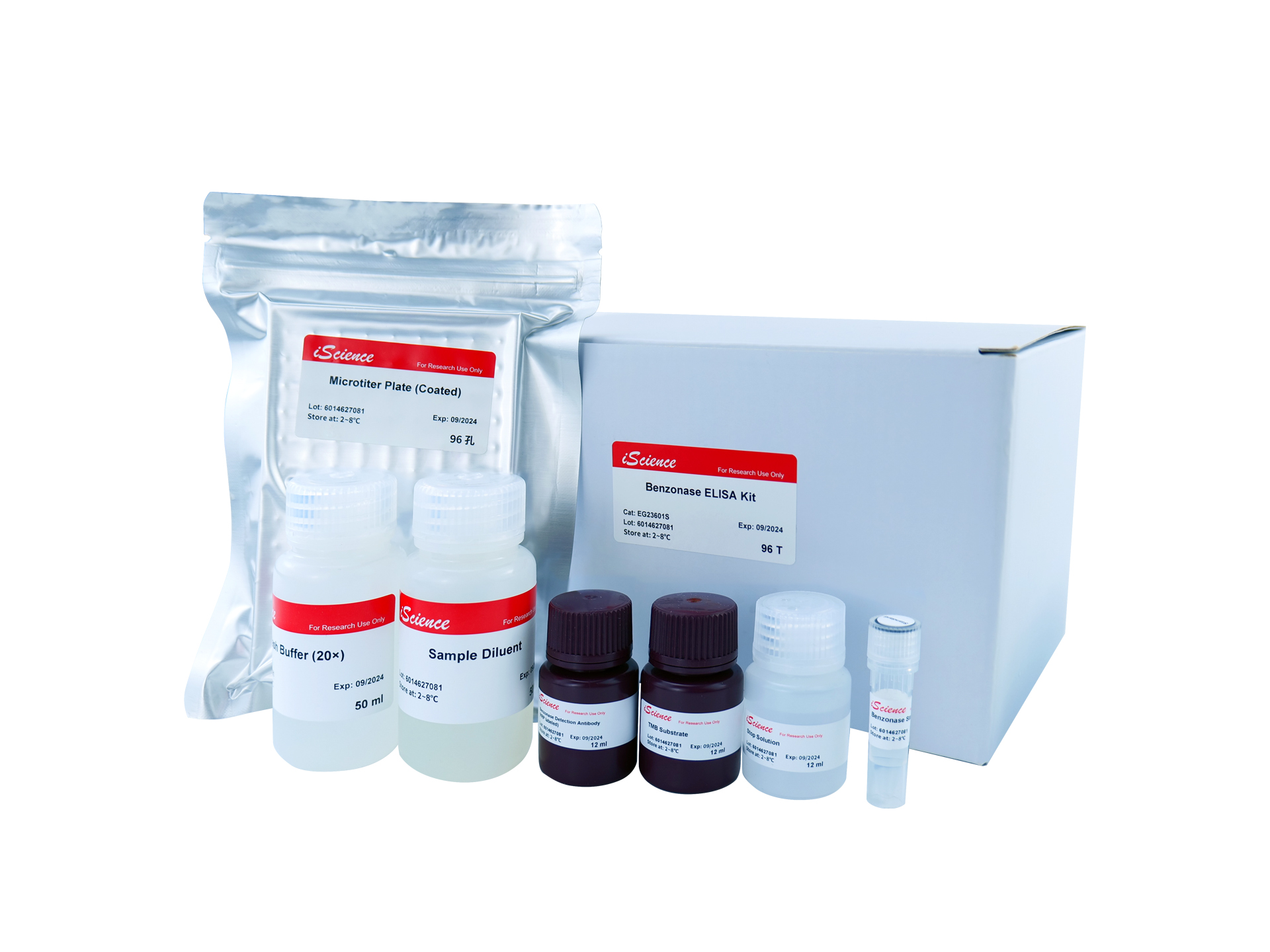
Benzonase ELISA Kit
EG23601S
96 Tests

Not I Restriction Enzyme
B2016623
500 Units
K562-HLA-G0101 Overexpressing Cell Line
RG-1214
5x 10^6
Recent gezochte producten
Eco Alu MTP (HxD) 6x4=24 plates 35mm, 223x360x135mm
TE15300
1 Piece
Eco Alu MTP (HxD) 7x4=28 plates 35mm, 260x360x135mm
TE15302
1 Piece
Eco Alu MTP (HxD) 8x4=32 plates 35mm, 297x360x135mm
TE15304
1 Piece
Eco Alu MTP (HxD) 8x5=40 plates 35mm, 297x450x135mm
TE15316
1 Piece
Eco Alu MTP (HxD) 6x6=36 plates 35mm, 223x540x135mm
TE15324
1 Piece
Eco Alu MTP (HxD) 7x6=42 plates 35mm, 260x540x135mm
TE15326
1 Piece
Eco Alu MTP (HxD) 8x6=48 plates 35mm, 297x540x135mm
TE15328
1 Piece
Eco Alu MTP (HxD) 6x7=42 plates 35mm, 223x630x135mm
TE15336
1 Piece