

Anti-Aurora A/Aurka Antibody Picoband® fluoro594 Vervoeging
Kwaliteit
ISO Gecertificeerd
Levering
24-48 uur
Technische Specificaties
AURKA (aurora kinase A), also called ARK1, AurA, AIK , AURORA2 , BTAK, PPP1R47, STK7, STK15, STK6, is a mitotic centrosomal protein kinase. The main role of AURKA in tumor development is in controlling chromosome segregation during mitosis. Aurora A is a member of a family of mitotic serine/threonine kinases. Cell cycle and Northern blot analyses showed that peak expression of AURKA occurs during the G2/M phase and then decreases. By fluorescence in situ hybridization, AURKA gene is represented by 2 signals in chromosome bands 20q13.2-q13.3 and 1q41-q42. The AURKA gene is overexpressed in many human cancers. Ectopic overexpression of Aurora kinase A in mammalian cells induces centrosome amplification, chromosome instability, and oncogenic transformation, a phenotype characteristic of loss-of-function mutations of p53. Depletion of Ajuba prevented activation of AURKA at centrosomes in late G2 phase and inhibited mitotic entry. Activation of AURKA was independently sufficient to induce rapid ciliary resorption, and AURKA acted in this process through phosphorylation of HDAC6, leading to HDAC6-dependent tubulin deacetylation and destabilization of the ciliary axoneme. Small molecule inhibitors of AURKA and HDAC6 reduced regulated disassembly of cilia.
Probable ATP-dependent RNA helicase DDX58;3.6.4.13; DEAD box protein 58; RIG-I-like receptor 1; RLR-1; Retinoic acid-inducible gene 1 protein; RIG-1; Retinoic acid-inducible gene I protein; RIG-I; DDX58
Aurka
20878
P97477
• Rabbit
Mouse, Rat
No cross-reactivity with other proteins.
E.coli-derived mouse Aurora A/Aurka recombinant protein (Position: M1-S395) .
• Polyclonal
Present in vascular smooth cells (at protein level) . .
Flow Cytometry
Antiviral Signaling, Chromatin Binding Proteins, DNA/RNA, DNA/RNA Binding, Epigenetics and Nuclear Signaling, Immune System Diseases, Immunology, RNA Processing
Immunogen affinity purified.
Liquid
Innate immune receptor which acts as a cytoplasmic sensor of viral nucleic acids and plays a major role in sensing viral infection and in the activation of a cascade of antiviral responses including the induction of type I interferons and proinflammatory cytokines. Its ligands include: 5'- triphosphorylated ssRNA and dsRNA and short dsRNA (<1 kb in length) . In addition to the 5'-triphosphate moiety, blunt-end base pairing at the 5'-end of the RNA is very essential. Overhangs at the non-triphosphorylated end of the dsRNA RNA have no major impact on its activity. A 3'overhang at the 5'triphosphate end decreases and any 5'overhang at the 5' triphosphate end abolishes its activity. Upon ligand binding it associates with mitochondria antiviral signaling protein (MAVS/IPS1) which activates the IKK- related kinases: TBK1 and IKBKE which phosphorylate interferon regulatory factors: IRF3 and IRF7 which in turn activate transcription of antiviral immunological genes, including interferons (IFNs) ; IFN-alpha and IFN-beta. Detects both positive and negative strand RNA viruses including members of the families Paramyxoviridae: Human respiratory syncytial virus and measles virus (MeV), Rhabdoviridae: vesicular stomatitis virus (VSV), Orthomyxoviridae: influenza A and B virus, Flaviviridae: Japanese encephalitis virus (JEV), hepatitis C virus (HCV), dengue virus (DENV) and west Nile virus (WNV) . It also detects rotavirus and reovirus. Also involved in antiviral signaling in response to viruses containing a dsDNA genome such as Epstein-Barr virus (EBV) . Detects dsRNA produced from non-self dsDNA by RNA polymerase III, such as Epstein-Barr virus-encoded RNAs (EBERs) . May play important roles in granulocyte production and differentiation, bacterial phagocytosis and in the regulation of cell migration. .
1. Bischoff, J. R., Plowman, G. D. The Aurora/lpl 1p kinase family: regulators of chromosome segregation and cytokinesis. Trends Cell Biol. 9: 454-459, 1999. 2. Hutterer, A., Berdnik, D., Wirtz-Peitz, F., Zigman, M., Schleiffer, A., Knoblich, J. A. Mitotic activation of the kinase Aurora-A requires its binding partner Bora. Dev. Cell 11: 147-157, 2006. 3. Seki, A., Coppinger, J. A., Jang, C.-Y., Yates, J. R., III, Fang, G. Bora and the kinase Aurora A cooperatively activate the kinase Plk1 and control mitotic entry. Science 320: 1655-1658, 2008.
At -20 ̊C for one year from date of receipt. Avoid repeated freezing and thawing. Protect from light.
106600 MW
6
Probable ATP-dependent RNA helicase DDX58
Cytoplasm. Cell projection, ruffle membrane. Cytoplasm, cytoskeleton. Cell junction, tight junction. Colocalized with TRIM25 at cytoplasmic perinuclear bodies. Associated with the actin cytoskeleton at membrane ruffles.
Hemoglobin subunit alpha
Rabbit IgG
Each vial contains 50% glycerol, 0.9% NaCl, 0.2% Na2HPO4, 0.02% NaN3.
Beschrijving
Anti-Aurora A/Aurka Antibody Picoband® fluoro594 Vervoeging Beschikbaar in 100 µg/Vial. Bestel eenvoudig online met snelle levering.
Specificaties
Recent bekeken producten

SsDNA Assay Kit
12645ES60
100 Tests
Eco Alu MTP (HxD) 6x7=42 plates 35mm, 223x630x135mm
TE15336
1 Piece
Arachis hypogaea Lectin (PNA) - Biotinylated
21510020-1
5mg
Cellubrevin Antibody
MBS9436639-01
0.05 mL
Oxidative Stress Combo Assay Tissue Kit
EA-7008
1 Each
1,4- Dioxane Pure
1041330 500
500 mL
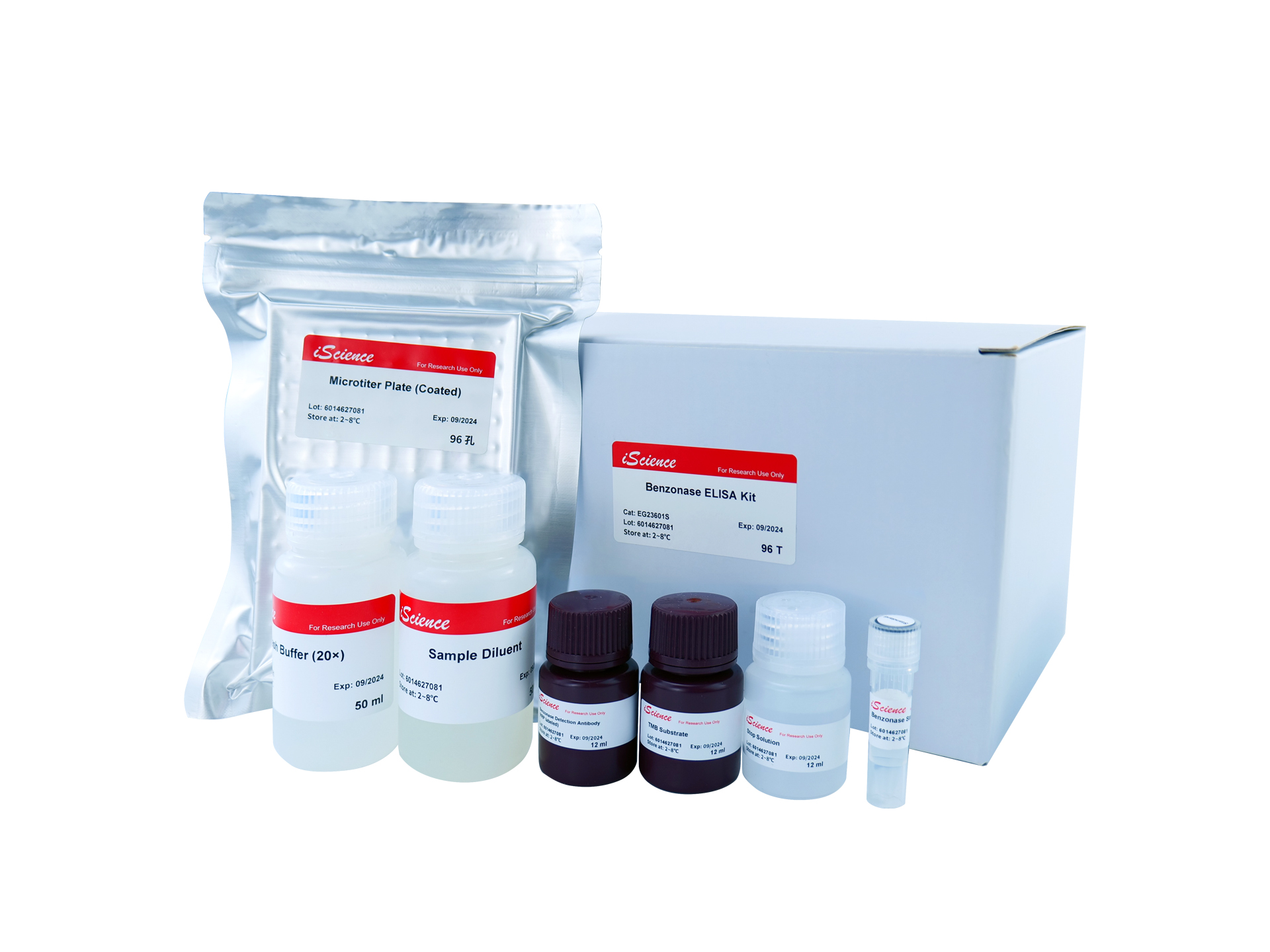
Benzonase ELISA Kit
EG23601S
96 Tests

Not I Restriction Enzyme
B2016623
500 Units
Recent gezochte producten
SsDNA Assay Kit
12645ES60
100 Tests
SsDNA Assay Kit
12645ES76
500 Tests
HSP70 Ab Magbeads
E601AB016
~ 2x 10^9 Cells - 1 mL
OGLUM05G00870 Antibody
PHY4135S
50 μg
HSP70 Ab Magbeads
MBS8576883-01
1 mL
Recombinant Salmonella typhimurium Uncharacterized protein STM3670 (STM3670)
MBS1357645-01
0.02 mg (E-Coli)
Phospho-Hsp27 (S78) [JJ08-70] Antibody
OM637637-01
100 µL
At2g20870 Antibody
GTR17950107
2 mg