

Anti-CAPON/NOS1AP Antibody Picoband® fluoro550 Vervoeging
Kwaliteit
ISO Gecertificeerd
Levering
24-48 uur
Technische Specificaties
Nitric oxide synthase 1 adaptor protein (NOS1AP) also known as carboxyl-terminal PDZ ligand of neuronal nitric oxide synthase protein (CAPON) is a protein that in humans is encoded by the NOS1AP gene. This gene encodes a cytosolic protein that binds to the signaling molecule, neuronal nitric oxide synthase (nNOS) . This protein has a C-terminal PDZ-binding domain that mediates interactions with nNOS and an N-terminal phosphotyrosine binding (PTB) domain that binds to the small monomeric G protein, Dexras1. Studies of the related mouse and rat proteins have shown that this protein functions as an adapter protein linking nNOS to specific targets, such as Dexras1 and the synapsins. Alternative splicing results in multiple transcript variants encoding different isoforms
Ubiquitin carboxyl-terminal hydrolase 15; Deubiquitinating enzyme 15; Ubiquitin thioesterase 15; Ubiquitin-specific-processing protease 15; Unph-2; Unph4; USP15; KIAA0529
NOS1AP
9722
O75052
• Rabbit
Human, Mouse, Rat
No cross-reactivity with other proteins.
E.coli-derived human CAPON/NOS1AP recombinant protein (Position: D24-D438) .
• Polyclonal
Expressed in skeletal muscle, kidney, heart, placenta, liver, thymus, lung, and ovary, with little or no expression in other tissues.
Flow Cytometry
Calcium Binding Proteins, Calcium Signaling, Cell Type Marker, Neuron Marker, Neuroscience, Neurotransmission
Immunogen affinity purified.
Liquid
Hydrolase that removes conjugated ubiquitin from target proteins and regulates various pathways such as the TGF-beta receptor signaling, NF-kappa-B and RNF41/NRDP1-PRKN pathways. Acts as a key regulator of TGF-beta receptor signaling pathway, but the precise mechanism is still unclear: according to a report, acts by promoting deubiquitination of monoubiquitinated R-SMADs (SMAD1, SMAD2 and/or SMAD3), thereby alleviating inhibition of R-SMADs and promoting activation of TGF-beta target genes. According to another reports, regulates the TGF-beta receptor signaling pathway by mediating deubiquitination and stabilization of TGFBR1, leading to an enhanced TGF-beta signal. Able to mediate deubiquitination of monoubiquitinated substrates as well as 'Lys-48'-linked polyubiquitin chains, protecting them against proteasomal degradation. May also regulate gene expression and/or DNA repair through the deubiquitination of histone H2B. Acts as an inhibitor of mitophagy by counteracting the action of parkin (PRKN) : hydrolyzes cleavage of 'Lys-48'- and 'Lys-63'-linked polyubiquitin chains attached by parkin on target proteins such as MFN2, thereby reducing parkin's ability to drive mitophagy. Acts as an associated component of COP9 signalosome complex (CSN) and regulates different pathways via this association: regulates NF-kappa-B by mediating deubiquitination of NFKBIA and deubiquitinates substrates bound to VCP. Involved in endosome organization by mediating deubiquitination of SQSTM1: ubiquitinated SQSTM1 forms a molecular bridge that restrains cognate vesicles in the perinuclear region and its deubiquitination releases target vesicles for fast transport into the cell periphery. (Microbial infection) Protects APC and human papillomavirus type 16 protein E6 against degradation via the ubiquitin proteasome pathway.
1. Carrel, D., Du, Y., Komlos, D., Hadzimichalis, N. M., Kwon, M., Wang, B., Brzustowicz, L. M., Firestein, B. L. NOS1AP regulates dendrite patterning of hippocampal neurons through a carboxypeptidase E-mediated pathway. J. Neurosci. 29: 8248-8258, 2009. 2. Chang, K.-C., Barth, A. S., Sasano, T., Kizana, E., Kashiwakura, Y., Zhang, Y., Foster, D. B., Marban, E. CAPON modulates cardiac repolarization via neuronal nitric oxide synthase signaling in the heart. Proc. Nat. Acad. Sci. 105: 4477-4482, 2008. 3. Jaffrey, S. R., Snowman, A. M., Eliasson, M. J. L., Cohen, N. A., Snyder, S. H. CAPON: a protein associated with neuronal nitric oxide synthase that regulates its interactions with PSD95. Neuron 20: 115-124, 1998.
At -20 ̊C for one year from date of receipt. Avoid repeated freezing and thawing. Protect from light.
6
Ubiquitin specific peptidase 15
Mitochondrion. Nucleus. Cytoplasm.
Rabbit IgG
Each vial contains 50% glycerol, 0.9% NaCl, 0.2% Na2HPO4, 0.02% NaN3.
Beschrijving
Anti-CAPON/NOS1AP Antibody Picoband® fluoro550 Vervoeging Beschikbaar in 100 µg/Vial. Bestel eenvoudig online met snelle levering.
Specificaties
Recent bekeken producten
Cellubrevin Antibody
MBS9436639-01
0.05 mL
Oxidative Stress Combo Assay Tissue Kit
EA-7008
1 Each
Arachis hypogaea Lectin (PNA) - Biotinylated
21510020-1
5mg
1,4- Dioxane Pure
1041330 500
500 mL
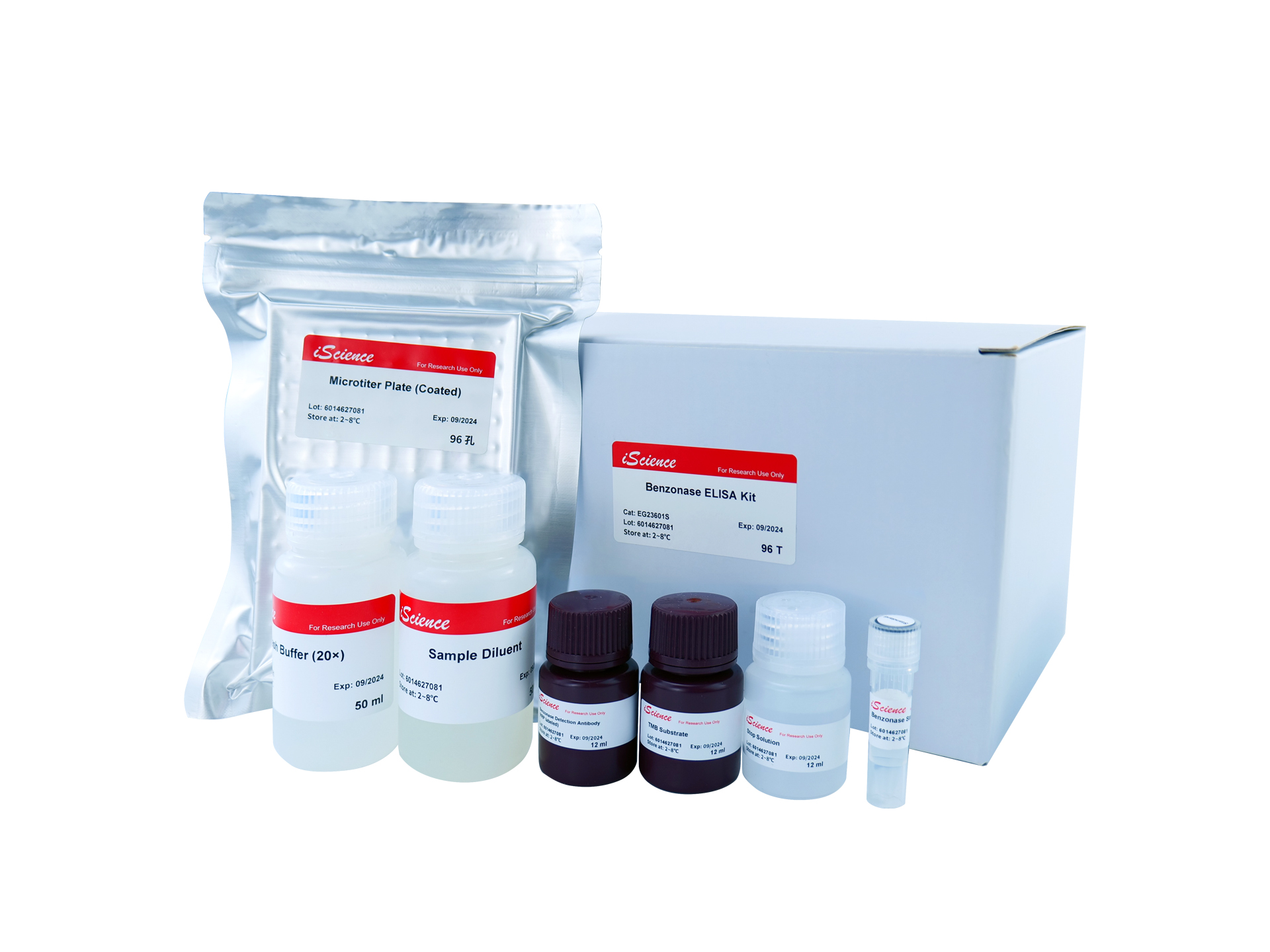
Benzonase ELISA Kit
EG23601S
96 Tests

Not I Restriction Enzyme
B2016623
500 Units
K562-HLA-G0101 Overexpressing Cell Line
RG-1214
5x 10^6
Yeast Poly (A) Polymerase
RNT-006-S
30000 Units
Recent gezochte producten
Cellubrevin Antibody
MBS9436639-01
0.05 mL
Rat Oxidative Stress Primer Library
ROSL-I
1 set
DTNB (Ellman’s) Thiol Oxidative Stress Assay
1021
1 Kit
OSR1 (Oxidative Stress Responsive 1)
MBS616581-01
0.1 mL
Oxidative Stress Combo Assay Cell Kit
EA-7006
1 Each
Oxidative Stress Combo Assay Blood Kit
EA-7007
1 Each
Oxidative Stress Combo Assay Tissue Kit
EA-7008
1 Each
OSR1 (Oxidative Stress Responsive 1)
O8054
100 µL