
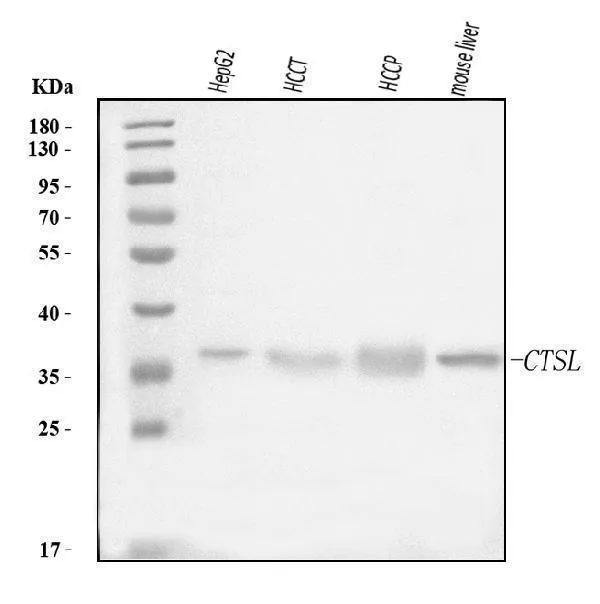
Anti-Cathepsin L/MEP/CTSL Antilichaam Picoband®
Kwaliteit
ISO Gecertificeerd
Levering
24-48 uur
Technische Specificaties
The protein encoded by this gene is a lysosomal cysteine proteinase that plays a major role in intracellular protein catabolism. Its substrates include collagen and elastin, as well as alpha-1 protease inhibitor, a major controlling element of neutrophil elastase activity. The encoded protein has been implicated in several pathologic processes, including myofibril necrosis in myopathies and in myocardial ischemia, and in the renal tubular response to proteinuria. This protein, which is a member of the peptidase C1 family, is a dimer composed of disulfide-linked heavy and light chains, both produced from a single protein precursor. Additionally, this protein cleaves the S1 subunit of the SARS-CoV-2 spike protein, which is necessary for entry of the virus into the cell.
Boster Bio Anti-Cathepsin L/MEP/CTSL Antibody Picoband® catalog # A01589-2. Tested in WB applications. This antibody reacts with Human, Mouse. The brand Picoband indicates this is a premium antibody that guarantees superior quality, high affinity, and strong signals with minimal background in Western blot applications. Only our best-performing antibodies are designated as Picoband, ensuring unmatched performance.
Neutrophil cytosol factor 1; NCF-1; 47 kDa autosomal chronic granulomatous disease protein; 47 kDa neutrophil oxidase factor; NCF-47K; Neutrophil NADPH oxidase factor 1; Nox organizer 2; Nox-organizing protein 2; SH3 and PX domain-containing protein 1A; p47-phox; NCF1; NOXO2; SH3PXD1A
CTSL
1514
P07711
• Rabbit
Human, Mouse
No cross-reactivity with other proteins.
A synthetic peptide corresponding to a sequence in the middle region of human Cathepsin L/MEP/CTSL, which shares 61.1% amino acid (aa) sequence identity with rat CTSL.
• Polyclonal
Detected in peripheral blood monocytes and neutrophils (at protein level) .
WB
Cancer, Cancer Metabolism, Energy Metabolism, Energy Transfer Pathways, Metabolic Signaling Pathways, Metabolism, Pathways and Processes, Signal Transduction
Immunogen affinity purified.
Adding 0.2 ml of distilled water will yield a concentration of 500 μg/ml.
Lyophilized
Adding 0.2 ml of distilled water will yield a concentration of 500 μg/ml.
NCF2, NCF1, and a membrane bound cytochrome b558 are required for activation of the latent NADPH oxidase (necessary for superoxide production) .
1. Abudula, A., Rommerskirch, W., Weber, E., Gunther, D., Wiederanders, B. Splice variants of human cathepsin L mRNA show different expression rates. Biol. Chem. 382: 1583-1591, 2001. 2. Arora, S., Chauhan, S. S. Identification and characterization of a novel human cathepsin L splice variant. Gene 293: 123-131, 2002. 3. Bakhshi, R., Goel, A., Seth, P., Chhikara, P., Chauhan, S. S. Cloning and characterization of human cathepsin L promoter. Gene 275: 93-101, 2001.
At -20°C for one year from date of receipt. After reconstitution, at 4°C for one month. It can also be aliquotted and stored frozen at -20°C for six months. Avoid repeated freezing and thawing.
https://www.bosterbio.com/msds?sku=A01589-2
34140 MW
37 kDa
Neutrophil cytosolic factor 1
Cytoplasm, cytosol.
Growth/differentiation factor 15
Rabbit IgG
Each vial contains 4 mg Trehalose, 0.9 mg NaCl, 0.2 mg Na2HPO4.
Beschrijving
Boster Bio Anti-Cathepsin L/MEP/CTSL Antibody Picoband® catalog # A01589-2. Tested in WB applications. This antibody reacts with Human, Mouse. The brand Pic
Specificaties
Recent bekeken producten

Anti- Protein A Antibody
GWB-E66F30
1 mL
Recombinant TAFV GP1 Protein, C-Fc
EVV03609
100 μg
Gabbr1 Mouse Monoclonal Antibody [Clone ID: S93A-49]
TA326530
100 µg
BSA-Myc/DDK Control Protein
AR100025
50 µL
NH-6
ABC-TC0826
1 Vial
Anti-TAT (Thrombin-antithrombin) Antibody
ABS 014-22-1
1000 µL
Anti-APOE2 mouse monoclonal antibody
TD-AB0132
100 µg
CD35 (CR1) mouse monoclonal antibody, clone J3D3, Azide Free
BM2364
0.2 mg
Recent gezochte producten
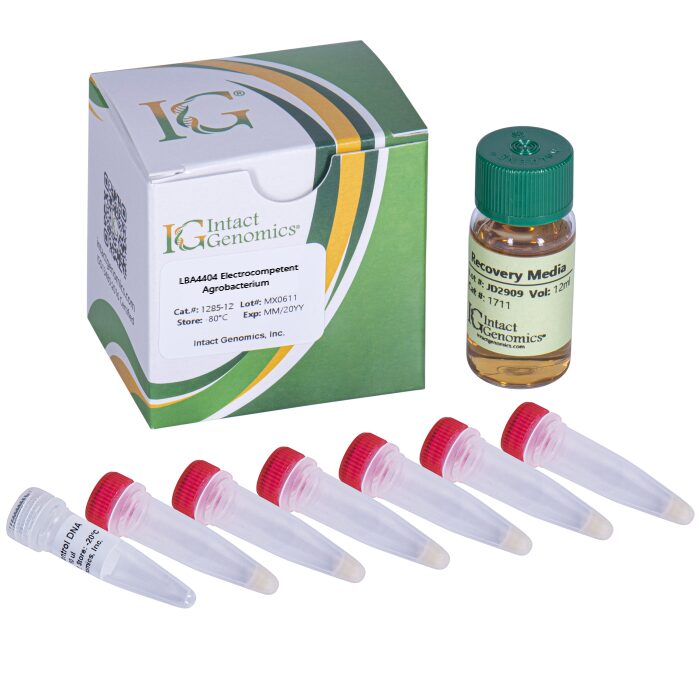
LBA4404 Agrobacterium ElectroCompetent Cells
1285-20
10x 50 µL
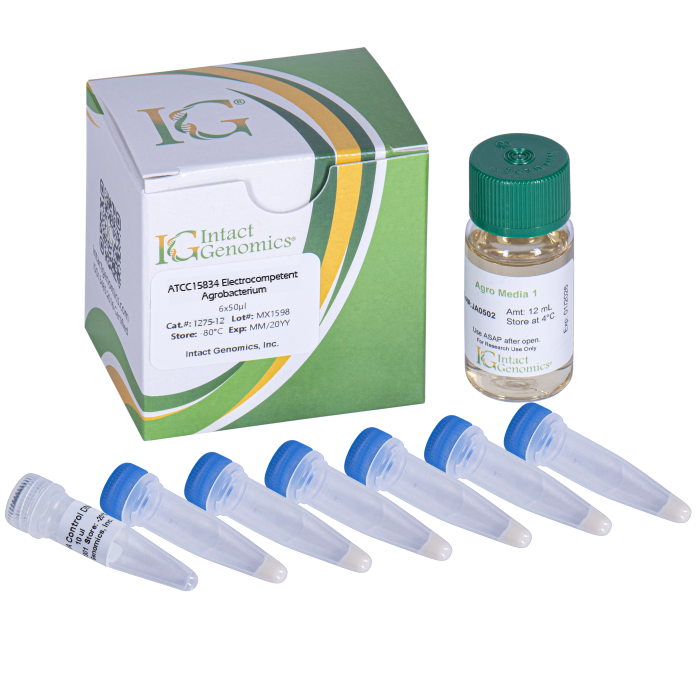
ATCC15834 Agrobacterium ElectroCompetent Cells
1275-36
18x 50 µL
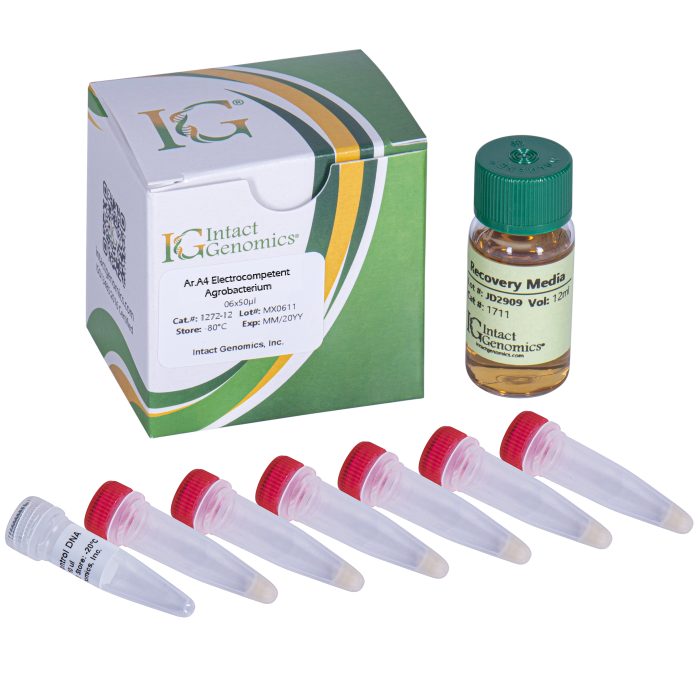
Ar.A4 Agrobacterium ElectroCompetent Cells
1272-12
6x 50 µL
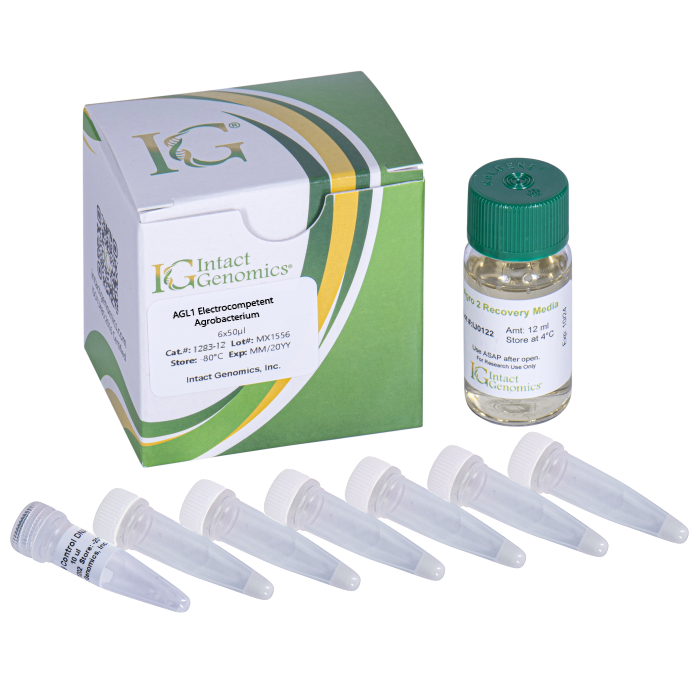
AGL1 Agrobacterium ElectroCompetent Cells
1283-12
6x 50 µL
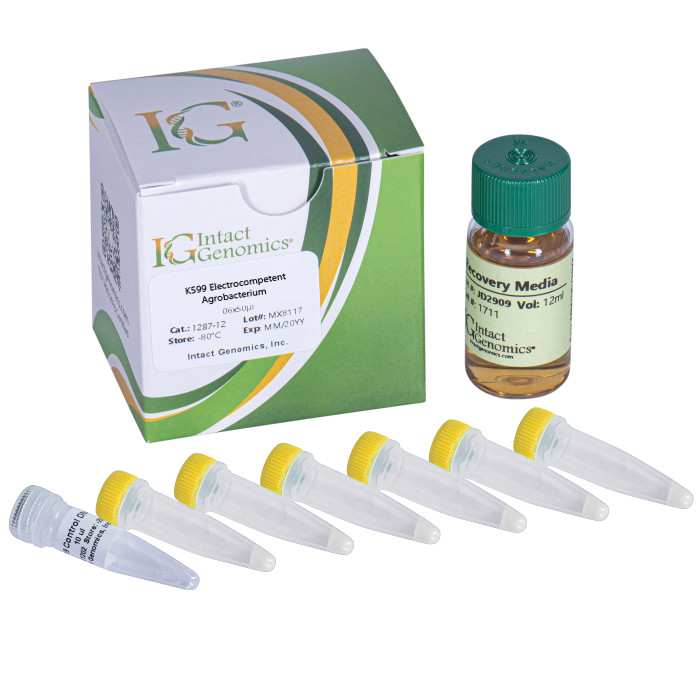
K599 Agrobacterium ElectroCompetent Cells
1287-12
6x 50 µL
AGL1 Agrobacterium ElectroCompetent Cells
1283-20
10x 50 µL
Ar.A4 Agrobacterium ElectroCompetent Cells
1272-36
18x 50 µL
AGL1 Agrobacterium ElectroCompetent Cells
1283-36
18x 50 µL