

Anti-CXCR4 Antibody Picoband®
Kwaliteit
ISO Gecertificeerd
Levering
24-48 uur
Technische Specificaties
CXCR4 (Chemokine, CXC Motif, Receptor 4), also known as FUSIN or NPY3R, is a protein that in humans is encoded by the CXCR4 gene. It is the receptor for the CXC chemokine SDF1 that has essential functions on embryo organogenesis, immunological functions and T lymphocyte trafficking. CXCR4 is the only SDF1 receptor identified so far. This suggests that CXCR4 expression is critical for the biological effects of SDF1. CXCR4 is also a seven-transmembrane-spanning, G-protein-coupled receptor for the CXC chemokine PBSF/SDF-1. It functions as a co-receptor for T-cell-line tropic human immunodeficiency virus HIV-1. It was concluded that PBSF/SDF-1 and CXCR4 define a new signalling system for organ vascularization.
Boster Bio Anti-CXCR4 Antibody catalog # PA2081. Tested in WB applications. This antibody reacts with Human. The brand Picoband indicates this is a premium antibody that guarantees superior quality, high affinity, and strong signals with minimal background in Western blot applications. Only our best-performing antibodies are designated as Picoband, ensuring unmatched performance.
C-X-C chemokine receptor type 4; CXC-R4; CXCR-4; FB22; Fusin; HM89; LCR1; Leukocyte-derived seven transmembrane domain receptor; LESTR; Lipopolysaccharide-associated protein 3; LAP-3; LPS-associated protein 3; NPYRL; Stromal cell-derived factor 1 receptor; SDF-1 receptor; CD184; CXCR4
CXCR4
7852
P61073
• Rabbit
Human
No cross-reactivity with other proteins
A synthetic peptide corresponding to a sequence at the N-terminus of human CXCR4.
• Polyclonal
Expressed in numerous tissues, such as peripheral blood leukocytes, spleen, thymus, spinal cord, heart, placenta, lung, liver, skeletal muscle, kidney, pancreas, cerebellum, cerebral cortex and medulla (in microglia as well as in astrocytes), brain microvascular, coronary artery and umbilical cord endothelial cells. Isoform 1 is predominant in all tissues tested. .
WB
Innate Immunity, Interspecies Interaction, Metabolism, Metabolism Processes, Microbiology, Neural Stem Cells, Neurology Process, Neuroscience, Pathways and Processes, Response To Hypoxia, Stem Cells, Surface Molecules
Immunogen affinity purified.
Adding 0.2 ml of distilled water will yield a concentration of 500 μg/ml.
Lyophilized
Add 0.2ml of distilled water will yield a concentration of 500ug/ml.
Receptor for the C-X-C chemokine CXCL12/SDF-1 that transduces a signal by increasing intracellular calcium ion levels and enhancing MAPK1/MAPK3 activation. Acts as a receptor for extracellular ubiquitin; leading to enhanced intracellular calcium ions and reduced cellular cAMP levels. Involved in hematopoiesis and in cardiac ventricular septum formation. Also plays an essential role in vascularization of the gastrointestinal tract, probably by regulating vascular branching and/or remodeling processes in endothelial cells. Involved in cerebellar development. In the CNS, could mediate hippocampal-neuron survival. Acts as a coreceptor (CD4 being the primary receptor) for HIV-1 X4 isolates and as a primary receptor for some HIV-2 isolates. Promotes Env-mediated fusion of the virus. Binds bacterial lipopolysaccharide (LPS) et mediates LPS-induced inflammatory response, including TNF secretion by monocytes. .
1. Caruz, A.; Samsom, M.; Alonso, J. M.; Alcami, J.; Baleux, F.; Virelizier, J. L.; Parmentier, M.; Arenzana-Seisdedos, F. : Genomic organization and promoter characterization of human CXCR4 gene. FEBS Lett. 426: 271-278, 1998. 2. Tachibana, K.; Hirota, S.; Iizasa, H.; Yoshida, H.; Kawabata, K.; Kataoka, Y.; Kitamura, Y.; Matsushima, K.; Yoshida, N.; Nishikawa, S.; Kishimoto, T.; Nagasawa, T. : The chemokine receptor CXCR4 is essential for vascularization of the gastrointestinal tract. Nature 393: 591-594, 1998.
Store at -20°C for one year from date of receipt. After reconstitution, at 4°C for one month. It can also be aliquotted and stored frozen at -20°C for six months. Avoid repeated freeze-thaw cycles.
https://www.bosterbio.com/msds?sku=PA2081
39746 MW
50 kDa
No cross reactivity with other proteins.
C-X-C chemokine receptor type 4
Cell membrane; Multi-pass membrane protein. Cell junction. Early endosome. Late endosome. Lysosome. In unstimulated cells, diffuse pattern on plasma membrane. On agonist stimulation, colocalizes with ITCH at the plasma membrane where it becomes ubiquitinated. In the presence of antigen, distributes to the immunological synapse forming at the T-cell-APC contact area, where it localizes at the peripheral and distal supramolecular activation cluster (SMAC) .
Belongs to the G-protein coupled receptor 1 family.
C-X-C chemokine receptor type 4
Rabbit IgG
Each vial contains 5mg BSA, 0.9mg NaCl, 0.2mg Na2HPO4, 0.05mg Thimerosal, 0.05mg NaN3.
Beschrijving
Boster Bio Anti-CXCR4 Antibody catalog # PA2081. Tested in WB applications. This antibody reacts with Human. The brand Picoband indicates this is a premium anti
Specificaties
Recent bekeken producten

Cellubrevin Antibody
MBS9436639-01
0.05 mL
Oxidative Stress Combo Assay Tissue Kit
EA-7008
1 Each
Arachis hypogaea Lectin (PNA) - Biotinylated
21510020-1
5mg
1,4- Dioxane Pure
1041330 500
500 mL
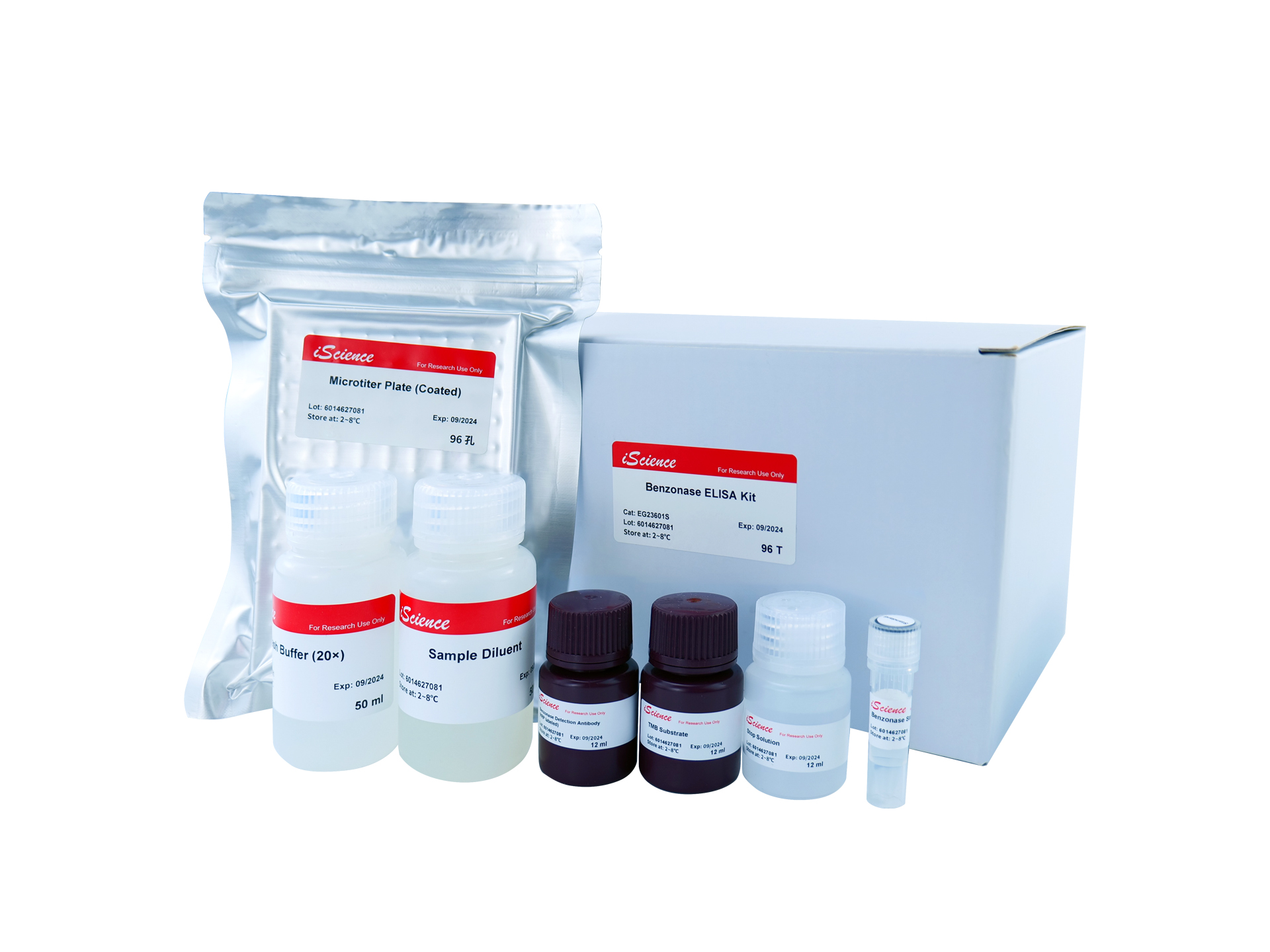
Benzonase ELISA Kit
EG23601S
96 Tests

Not I Restriction Enzyme
B2016623
500 Units
K562-HLA-G0101 Overexpressing Cell Line
RG-1214
5x 10^6
Yeast Poly (A) Polymerase
RNT-006-S
30000 Units
Recent gezochte producten
Cellubrevin Antibody
MBS9436639-01
0.05 mL
Rat Oxidative Stress Primer Library
ROSL-I
1 set
DTNB (Ellman’s) Thiol Oxidative Stress Assay
1021
1 Kit
OSR1 (Oxidative Stress Responsive 1)
MBS616581-01
0.1 mL
Oxidative Stress Combo Assay Cell Kit
EA-7006
1 Each
Oxidative Stress Combo Assay Blood Kit
EA-7007
1 Each
Oxidative Stress Combo Assay Tissue Kit
EA-7008
1 Each
OSR1 (Oxidative Stress Responsive 1)
O8054
100 µL