

Anti-Insulin Receptor/INSR Antibody Picoband® fluoro550 Vervoeging
Kwaliteit
ISO Gecertificeerd
Levering
24-48 uur
Technische Specificaties
INSR (INSULIN RECEPTOR) is a tetramer of 2 alpha and 2 beta subunits that are coded by a single gene and are joined by disulfide bonds, a mechanism parallel to that of its ligand, insulin. It belongs to the large class of tyrosine kinase receptors. The insulin receptor gene is mapped to 19p13.2. The insulin receptor mediates their activity by causing the addition of a phosphate group to particular tyrosines on certain proteins within a cell. The INSR gene spans more than 120 kb and has 22 exons. Functional studies of the INSR SNPs show no effect on mRNA levels or splicing in peripheral blood leukocytes or on binding of insulin to mononuclear cells.
Insulin receptor; IR;2.7.10.1; CD220; Insulin receptor subunit alpha; Insulin receptor subunit beta; INSR
INSR
3643
P06213
• Rabbit
Human, Mouse, Rat
No cross-reactivity with other proteins
A synthetic peptide corresponding to a sequence at the C-terminus of human Insulin Receptor, different from the related rat and mouse sequences by two amino acids.
• Polyclonal
Isoform Long and isoform Short are predominantly expressed in tissue targets of insulin metabolic effects: liver, adipose tissue and skeletal muscle but are also expressed in the peripheral nerve, kidney, pulmonary alveoli, pancreatic acini, placenta vascular endothelium, fibroblasts, monocytes, granulocytes, erythrocytes and skin. Isoform Short is preferentially expressed in fetal cells such as fetal fibroblasts, muscle, liver and kidney. Found as a hybrid receptor with IGF1R in muscle, heart, kidney, adipose tissue, skeletal muscle, hepatoma, fibroblasts, spleen and placenta (at protein level) . Overexpressed in several tumors, including breast, colon, lung, ovary, and thyroid carcinomas. .
Flow Cytometry
Adapters, Cancer, Cytoplasmic, Neuroscience, Neurotransmission, Protein Phosphorylation, Receptor Tyrosine Kinases, Receptors / Channels, Signal Transduction, Tyrosine Kinases
Immunogen affinity purified.
Liquid
Receptor tyrosine kinase which mediates the pleiotropic actions of insulin. Binding of insulin leads to phosphorylation of several intracellular substrates, including, insulin receptor substrates (IRS1, 2, 3, 4), SHC, GAB1, CBL and other signaling intermediates. Each of these phosphorylated proteins serve as docking proteins for other signaling proteins that contain Src- homology-2 domains (SH2 domain) that specifically recognize different phosphotyrosines residues, including the p85 regulatory subunit of PI3K and SHP2. Phosphorylation of IRSs proteins lead to the activation of two main signaling pathways: the PI3K-AKT/PKB pathway, which is responsible for most of the metabolic actions of insulin, and the Ras-MAPK pathway, which regulates expression of some genes and cooperates with the PI3K pathway to control cell growth and differentiation. Binding of the SH2 domains of PI3K to phosphotyrosines on IRS1 leads to the activation of PI3K and the generation of phosphatidylinositol- (3, 4, 5) -triphosphate (PIP3), a lipid second messenger, which activates several PIP3-dependent serine/threonine kinases, such as PDPK1 and subsequently AKT/PKB. The net effect of this pathway is to produce a translocation of the glucose transporter SLC2A4/GLUT4 from cytoplasmic vesicles to the cell membrane to facilitate glucose transport. Moreover, upon insulin stimulation, activated AKT/PKB is responsible for: anti- apoptotic effect of insulin by inducing phosphorylation of BAD; regulates the expression of gluconeogenic and lipogenic enzymes by controlling the activity of the winged helix or forkhead (FOX) class of transcription factors. Another pathway regulated by PI3K- AKT/PKB activation is mTORC1 signaling pathway which regulates cell growth and metabolism and integrates signals from insulin. AKT mediates insulin-stimulated protein synthesis by phosphorylating TSC2 thereby activating mTORC1 pathway. The Ras/RAF/MAP2K/MAPK pathway is mainly involved in mediating cell growth, survival and cellular differentiation of insulin. Phosphorylated IRS1 recruits GRB2/SOS complex, which triggers the activation of the Ras/RAF/MAP2K/MAPK pathway. In addition to binding insulin, the insulin receptor can bind insulin-like growth factors (IGFI and IGFII) . Isoform Short has a higher affinity for IGFII binding. When present in a hybrid receptor with IGF1R, binds IGF1. PubMed:12138094 shows that hybrid receptors composed of IGF1R and INSR isoform Long are activated with a high affinity by IGF1, with low affinity by IGF2 and not significantly activated by insulin, and that hybrid receptors composed of IGF1R and INSR isoform Short are activated by IGF1, IGF2 and insulin. In contrast, PubMed:16831875 shows that hybrid receptors composed of IGF1R and INSR isoform Long and hybrid receptors composed of IGF1R and INSR isoform Short have similar binding characteristics, both bind IGF1 and have a low affinity for insulin. .
1. 't Hart, L. M., Stolk, R. P., Dekker, J. M., Nijpels, G., Grobbee, D. E., Heine, R. J., Maassen, J. A. Prevalence of variants in candidate genes for type 2 diabetes mellitus in the Netherlands: the Rotterdam study and the Hoorn study. J. Clin. Endocr. Metab. 84: 1002-1006, 1999. 2. Accili, D., Drago, J., Lee, E. J., Johnson, M. D., Cool, M. H., Salvatore, P., Asico, L. D., Jose, P. A., Taylor, S. I., Westphal, H. Early neonatal death in mice homozygous for a null allele of the insulin receptor gene. Nature Genet. 12: 106-109, 1996. 3. Ward CW, Lawrence MC (April 2009) . Ligand-induced activation of the insulin receptor: a multi-step process involving structural changes in both the ligand and the receptor.
At -20 ̊C for one year from date of receipt. Avoid repeated freezing and thawing. Protect from light.
156333 MW
No cross reactivity with other proteins.
6
Insulin receptor
Cell membrane; Single-pass type I membrane protein.
Belongs to the protein kinase superfamily. Tyr protein kinase family. Insulin receptor subfamily.
Insulin receptor (IR)
Rabbit IgG
Each vial contains 50% glycerol, 0.9% NaCl, 0.2% Na2HPO4, 0.02% NaN3.
Beschrijving
Anti-Insulin Receptor/INSR Antibody Picoband® fluoro550 Vervoeging Beschikbaar in 100 µg/Vial. Bestel eenvoudig online met snelle levering.
Specificaties
Recent bekeken producten
Oxidative Stress Combo Assay Tissue Kit
EA-7008
1 Each
Arachis hypogaea Lectin (PNA) - Biotinylated
21510020-1
5mg
1,4- Dioxane Pure
1041330 500
500 mL
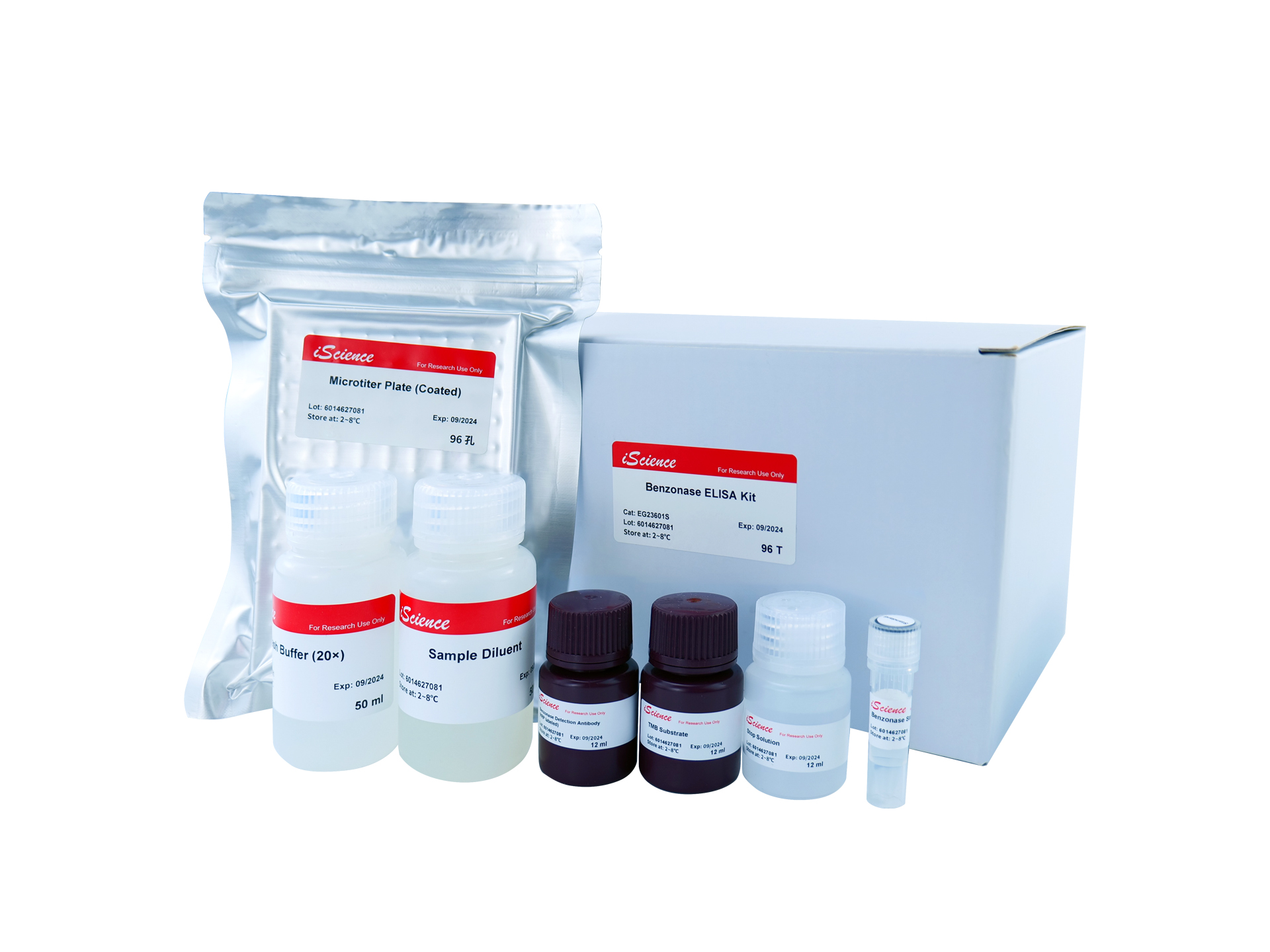
Benzonase ELISA Kit
EG23601S
96 Tests

Not I Restriction Enzyme
B2016623
500 Units
K562-HLA-G0101 Overexpressing Cell Line
RG-1214
5x 10^6
Yeast Poly (A) Polymerase
RNT-006-S
30000 Units
Arachis hypogaea lectin (PNA)
05-0116-10mg
10 mg
Recent gezochte producten
Rat Oxidative Stress Primer Library
ROSL-I
1 set
DTNB (Ellman’s) Thiol Oxidative Stress Assay
1021
1 Kit
OSR1 (Oxidative Stress Responsive 1)
MBS616581-01
0.1 mL
Oxidative Stress Combo Assay Cell Kit
EA-7006
1 Each
Oxidative Stress Combo Assay Blood Kit
EA-7007
1 Each
Oxidative Stress Combo Assay Tissue Kit
EA-7008
1 Each
OSR1 (Oxidative Stress Responsive 1)
O8054
100 µL
Oxidative Stress Compound Library
C06819
100 μL/Well