

Anti-Kv1.1 kaliumkanaal/KCNA1 Antibody Picoband® fluoro550 Vervoeging
Kwaliteit
ISO Gecertificeerd
Levering
24-48 uur
Technische Specificaties
Potassium voltage-gated channel subfamily A member 1, also known as Kv1.1, is a shaker related voltage-gated potassium channel that in humans is encoded by the KCNA1 gene. It is mapped to 12p13.32. The protein functions as a potassium selective channel through which the potassium ion may pass through in consensus with the electrochemical gradient. The N-terminus of the channel is associated with beta subunits that can modify the inactivation properties of the channel as well as affect expression levels. The C-terminus of the channel is complexed to a PDZ domain protein that is responsible for channel targeting.
Potassium voltage-gated channel subfamily A member 1; Voltage-gated K (+) channel HuKI ; Voltage-gated potassium channel HBK1 ; Voltage-gated potassium channel subunit Kv1.1; KCNA1
KCNA1
3736
Q09470
• Rabbit
Human, Mouse, Rat
No cross-reactivity with other proteins
A synthetic peptide corresponding to a sequence at the C-terminus of human Kv1.1 potassium channel, different from the related mouse sequence by two amino acids, and from the related rat sequence by four amino acids .
• Polyclonal
Detected adjacent to nodes of Ranvier in juxtaparanodal zones in spinal cord nerve fibers, but also in paranodal regions in some myelinated spinal cord axons (at protein level) (PubMed:11086297) . Detected in the islet of Langerhans (PubMed:21483673) . .
Flow Cytometry
Neurodegenerative Disease, Neurology Process, Neuroscience, Neurotransmission, Potassium Channels, Receptors / Channels
Immunogen affinity purified.
Liquid
Voltage-gated potassium channel that mediates transmembrane potassium transport in excitable membranes, primarily in the brain and the central nervous system, but also in the kidney (PubMed:19903818) . Contributes to the regulation of the membrane potential and nerve signaling, and prevents neuronal hyperexcitability (PubMed:17156368) . Forms tetrameric potassium- selective channels through which potassium ions pass in accordance with their electrochemical gradient. The channel alternates between opened and closed conformations in response to the voltage difference across the membrane (PubMed:19912772) . Can form functional homotetrameric channels and heterotetrameric channels that contain variable proportions of KCNA1, KCNA2, KCNA4, KCNA5, KCNA6, KCNA7, and possibly other family members as well; channel properties depend on the type of alpha subunits that are part of the channel (PubMed:12077175, PubMed:17156368) . Channel properties are modulated by cytoplasmic beta subunits that regulate the subcellular location of the alpha subunits and promote rapid inactivation of delayed rectifier potassium channels (PubMed:12077175, PubMed:17156368) . In vivo, membranes probably contain a mixture of heteromeric potassium channel complexes, making it difficult to assign currents observed in intact tissues to any particular potassium channel family member. Homotetrameric KCNA1 forms a delayed-rectifier potassium channel that opens in response to membrane depolarization, followed by slow spontaneous channel closure (PubMed:19912772, PubMed:19968958, PubMed:19307729, PubMed:19903818) . In contrast, a heterotetrameric channel formed by KCNA1 and KCNA4 shows rapid inactivation (PubMed:17156368) . Regulates neuronal excitability in hippocampus, especially in mossy fibers and medial perforant path axons, preventing neuronal hyperexcitability. Response to toxins that are selective for KCNA1, respectively for KCNA2, suggests that heteromeric potassium channels composed of both KCNA1 and KCNA2 play a role in pacemaking and regulate the output of deep cerebellar nuclear neurons (By similarity) . May function as down- stream effector for G protein-coupled receptors and inhibit GABAergic inputs to basolateral amygdala neurons (By similarity) . May contribute to the regulation of neurotransmitter release, such as gamma-aminobutyric acid (GABA) release (By similarity) . Plays a role in regulating the generation of action potentials and preventing hyperexcitability in myelinated axons of the vagus nerve, and thereby contributes to the regulation of heart contraction (By similarity) . Required for normal neuromuscular responses (PubMed:11026449, PubMed:17136396) . Regulates the frequency of neuronal action potential firing in response to mechanical stimuli, and plays a role in the perception of pain caused by mechanical stimuli, but does not play a role in the perception of pain due to heat stimuli (By similarity) . Required for normal responses to auditory stimuli and precise location of sound sources, but not for sound perception (By similarity) . The use of toxins that block specific channels suggest that it contributes to the regulation of the axonal release of the neurotransmitter dopamine (By similarity) . Required for normal postnatal brain development and normal proliferation of neuronal precursor cells in the brain (By similarity) . Plays a role in the reabsorption of Mg (2+) in the distal convoluted tubules in the kidney and in magnesium ion homeostasis, probably via its effect on the membrane potential (PubMed:23903368, PubMed:19307729) . .
1. Albrecht B, Weber K, Pongs O (1995) . Characterization of a voltage-activated K-channel gene cluster on human chromosome 12p13. Recept. Channels 3 (3) : 213–20. 2. Curran ME, Landes GM, Keating MT (1992) . Molecular cloning, characterization, and genomic localization of a human potassium channel gene. Genomics 12 (4) : 729–37. 3. Entrez Gene: KCNA1 potassium voltage-gated channel
At -20 ̊C for one year from date of receipt. Avoid repeated freezing and thawing. Protect from light.
56466 MW
No cross reactivity with other proteins.
6
Potassium voltage-gated channel subfamily A member 1
Cell membrane ; Multi- pass membrane protein . Membrane . Cell projection, axon . Cytoplasmic vesicle . Perikaryon . Endoplasmic reticulum . Cell projection, dendrite . Cell junction . Cell junction, synapse . Cell junction, synapse, presynaptic cell membrane . Homotetrameric KCNA1 is primarily located in the endoplasmic reticulum. Interaction with KCNA2 and KCNAB2 or with KCNA4 and KCNAB2 promotes expression at the cell membrane (By similarity) . Detected at axon terminals (By similarity) . .
Potassium voltage-gated channel subfamily A member 1
Rabbit IgG
Each vial contains 50% glycerol, 0.9% NaCl, 0.2% Na2HPO4, 0.02% NaN3.
Beschrijving
Anti-Kv1.1 kaliumkanaal/KCNA1 Antibody Picoband® fluoro550 Vervoeging Beschikbaar in 100 µg/Vial. Bestel eenvoudig online met snelle levering.
Specificaties
Recent bekeken producten

SsDNA Assay Kit
12645ES60
100 Tests
Eco Alu MTP (HxD) 6x7=42 plates 35mm, 223x630x135mm
TE15336
1 Piece
Arachis hypogaea Lectin (PNA) - Biotinylated
21510020-1
5mg
Cellubrevin Antibody
MBS9436639-01
0.05 mL
Oxidative Stress Combo Assay Tissue Kit
EA-7008
1 Each
1,4- Dioxane Pure
1041330 500
500 mL
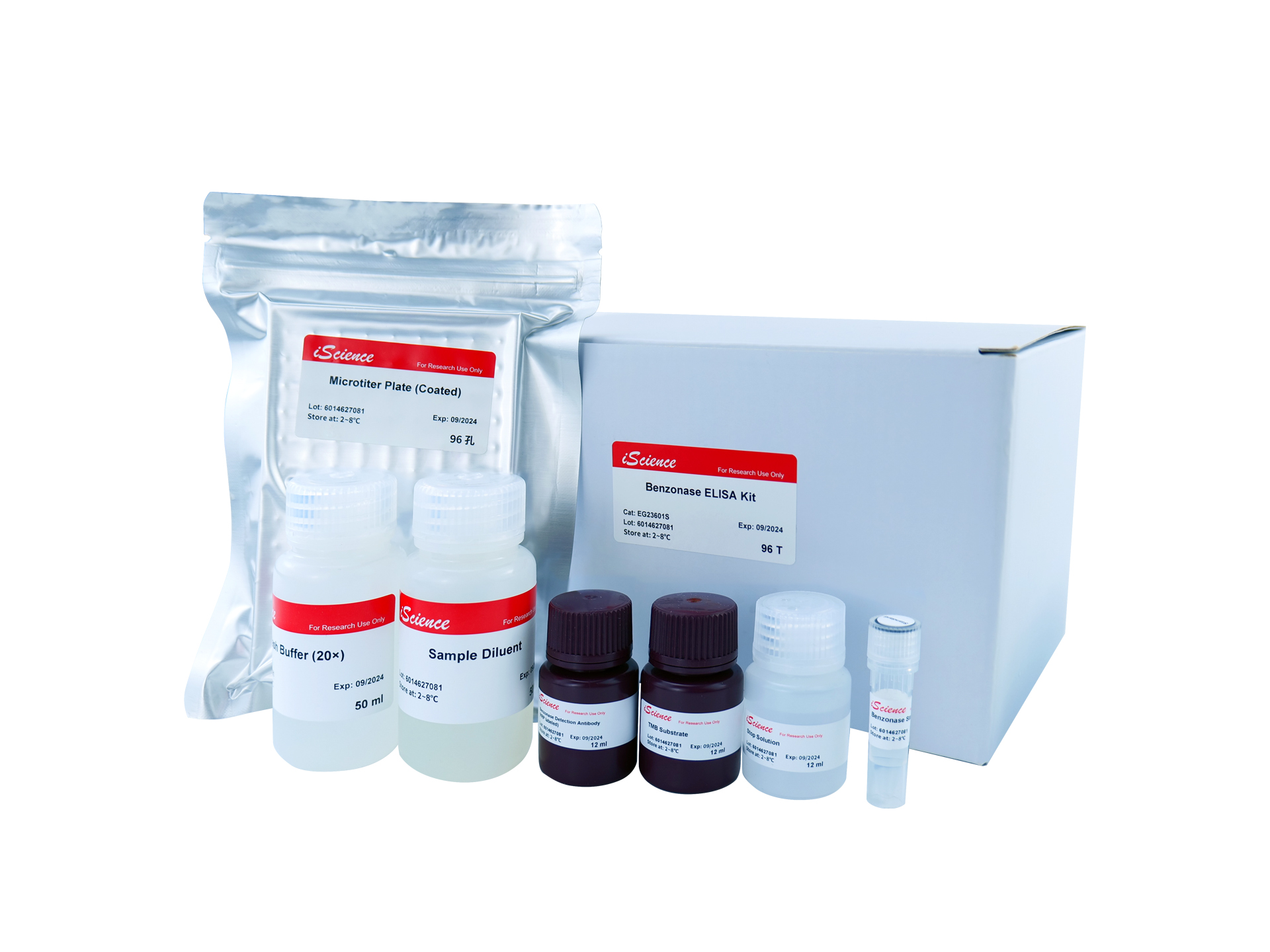
Benzonase ELISA Kit
EG23601S
96 Tests

Not I Restriction Enzyme
B2016623
500 Units
Recent gezochte producten
SsDNA Assay Kit
12645ES60
100 Tests
SsDNA Assay Kit
12645ES76
500 Tests
HSP70 Ab Magbeads
E601AB016
~ 2x 10^9 Cells - 1 mL
OGLUM05G00870 Antibody
PHY4135S
50 μg
HSP70 Ab Magbeads
MBS8576883-01
1 mL
Recombinant Salmonella typhimurium Uncharacterized protein STM3670 (STM3670)
MBS1357645-01
0.02 mg (E-Coli)
Phospho-Hsp27 (S78) [JJ08-70] Antibody
OM637637-01
100 µL
At2g20870 Antibody
GTR17950107
2 mg