

Anti-MARK3 Antibody Picoband® fluoro488 Vervoeging
Kwaliteit
ISO Gecertificeerd
Levering
24-48 uur
Technische Specificaties
MAP/microtubule affinity-regulating kinase 3 is an enzyme that in humans is encoded by the MARK3 gene. The protein encoded by this gene is activated by phosphorylation and in turn is involved in the phosphorylation of tau proteins MAP2 and MAP4. Several transcript variants encoding different isoforms have been found for this gene.
Cytoskeleton-associated protein 5; Colonic and hepatic tumor overexpressed gene protein; Ch-TOG; CKAP5; KIAA0097
MARK3
4140
P27448
• Rabbit
Human, Mouse, Rat
No cross-reactivity with other proteins.
E.coli-derived human MARK3 recombinant protein (Position: H311-D648) .
• Polyclonal
Expressed in fetal brain. Highly expressed in brain and placenta. Lower levels in heart, liver, thymus, kidney and lung. Located to endothelial cells and neuronal cells of the suprachiasmatic nucleus (SCN) . Also detected in endothelial cells of the heart, lung and kidney. In the brain, specifically expressed in the thalamus, hippocampus and amygdala.
Flow Cytometry
Cardiogenesis, Cardiovascular, Domain Families, Epigenetics and Nuclear Signaling, Hlh/Leucine Zipper, Neurology Process, Neuroscience, Receptors, Transcription, Transcription Factors, Transcription Factors/Regulators
Immunogen affinity purified.
Liquid
Transcriptional activator which forms a core component of the circadian clock. The circadian clock, an internal time-keeping system, regulates various physiological processes through the generation of approximately 24 hour circadian rhythms in gene expression, which are translated into rhythms in metabolism and behavior. It is derived from the Latin roots 'circa' (about) and 'diem' (day) and acts as an important regulator of a wide array of physiological functions including metabolism, sleep, body temperature, blood pressure, endocrine, immune, cardiovascular, and renal function. Consists of two major components: the central clock, residing in the suprachiasmatic nucleus (SCN) of the brain, and the peripheral clocks that are present in nearly every tissue and organ system. Both the central and peripheral clocks can be reset by environmental cues, also known as Zeitgebers (German for 'timegivers') . The predominant Zeitgeber for the central clock is light, which is sensed by retina and signals ly to the SCN. The central clock entrains the peripheral clocks through neuronal and hormonal signals, body temperature and feeding-related cues, aligning all clocks with the external light/dark cycle. Circadian rhythms allow an organism to achieve temporal homeostasis with its environment at the molecular level by regulating gene expression to create a peak of protein expression once every 24 hours to control when a particular physiological process is most active with respect to the solar day. Transcription and translation of core clock components (CLOCK, NPAS2, ARNTL/BMAL1, ARNTL2/BMAL2, PER1, PER2, PER3, CRY1 and CRY2) plays a critical role in rhythm generation, whereas delays imposed by post-translational modifications (PTMs) are important for determining the period (tau) of the rhythms (tau refers to the period of a rhythm and is the length, in time, of one complete cycle) . A diurnal rhythm is synchronized with the day/night cycle, while the ultradian and infradian rhythms have a period shorter and longer than 24 hours, respectively. Disruptions in the circadian rhythms contribute to the pathology of cardiovascular diseases, cancer, metabolic syndromes and aging. A transcription/translation feedback loop (TTFL) forms the core of the molecular circadian clock mechanism. Transcription factors, CLOCK or NPAS2 and ARNTL/BMAL1 or ARNTL2/BMAL2, form the positive limb of the feedback loop, act in the form of a heterodimer and activate the transcription of core clock genes and clock-controlled genes (involved in key metabolic processes), harboring E-box elements (5'-CACGTG-3') within their promoters. The core clock genes: PER1/2/3 and CRY1/2 which are transcriptional repressors form the negative limb of the feedback loop and interact with the CLOCK|NPAS2-ARNTL/BMAL1|ARNTL2/BMAL2 heterodimer inhibiting its activity and thereby negatively regulating their own expression. This heterodimer also activates nuclear receptors NR1D1/2 and RORA/B/G, which form a second feedback loop and which activate and repress ARNTL/BMAL1 transcription, respectively. The CLOCK-ARNTL2/BMAL2 heterodimer activates the transcription of SERPINE1/PAI1 and BHLHE40/DEC1.
1. Ansar, M., Chung, H., Waryah, Y. M., Makrythanasis, P., Falconnet, E., Rao, A. R., Guipponi, M., Narsani, A. K., Fingerhut, R., Santoni, F. A., Ranza, E., Waryah, A. M., Bellen, H. J., Antonarakis, S. E. Visual impairment and progressive phthisis bulbi caused by recessive pathogenic variant in MARK3. Hum. Molec. Genet. 27: 2703-2711, 2018. 2. Lennerz, J. K., Hurov, J. B., White, L. S., Lewandowski, K. T., Prior, J. L., Planer, G. J., Gereau, R. W., IV, Piwnica-Worms, D., Schmidt, R. E., Piwnica-Worms, H. Loss of Par-1a/MARK3/C-TAK1 kinase leads to reduced adiposity, resistance to hepatic steatosis, and defective gluconeogenesis. Molec. Cell. Biol. 30: 5043-5056, 2010. 3. Muller, J., Ory, S., Copeland, T., Piwnica-Worms, H., Morrison, D. K. C-TAK1 regulates Ras signaling by phosphorylating the MAPK scaffold, KSR1. Molec. Cell 8: 983-993, 2001.
At -20 ̊C for one year from date of receipt. Avoid repeated freezing and thawing. Protect from light.
39411 MW
6
Aryl hydrocarbon receptor nuclear translocator like 2
Nucleus.
Zinc finger protein Helios
Rabbit IgG
Each vial contains 50% glycerol, 0.9% NaCl, 0.2% Na2HPO4, 0.02% NaN3.
Beschrijving
Anti-MARK3 Antibody Picoband® fluoro488 Vervoeging Beschikbaar in 100 µg/Vial. Bestel eenvoudig online met snelle levering.
Specificaties
Recent bekeken producten

SsDNA Assay Kit
12645ES60
100 Tests
Eco Alu MTP (HxD) 6x7=42 plates 35mm, 223x630x135mm
TE15336
1 Piece
Arachis hypogaea Lectin (PNA) - Biotinylated
21510020-1
5mg
Cellubrevin Antibody
MBS9436639-01
0.05 mL
Oxidative Stress Combo Assay Tissue Kit
EA-7008
1 Each
1,4- Dioxane Pure
1041330 500
500 mL
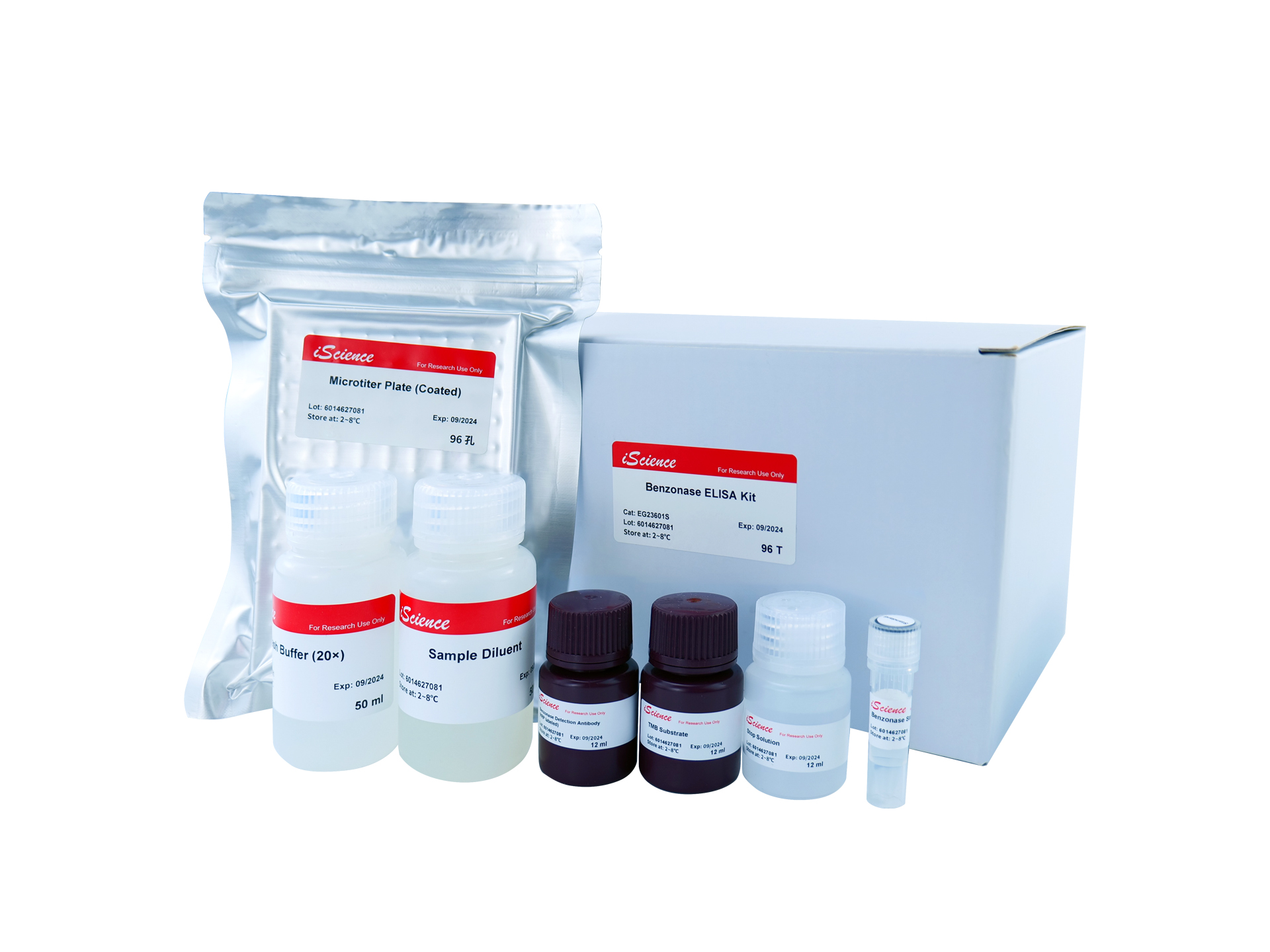
Benzonase ELISA Kit
EG23601S
96 Tests

Not I Restriction Enzyme
B2016623
500 Units
Recent gezochte producten
SsDNA Assay Kit
12645ES60
100 Tests
SsDNA Assay Kit
12645ES76
500 Tests
HSP70 Ab Magbeads
E601AB016
~ 2x 10^9 Cells - 1 mL
OGLUM05G00870 Antibody
PHY4135S
50 μg
HSP70 Ab Magbeads
MBS8576883-01
1 mL
Recombinant Salmonella typhimurium Uncharacterized protein STM3670 (STM3670)
MBS1357645-01
0.02 mg (E-Coli)
Phospho-Hsp27 (S78) [JJ08-70] Antibody
OM637637-01
100 µL
At2g20870 Antibody
GTR17950107
2 mg