

Anti-RAGE/AGER Antibody Picoband® fluoro647 Vervoeging
Kwaliteit
ISO Gecertificeerd
Levering
24-48 uur
Technische Specificaties
The receptor for advanced glycation end products (RAGE) is a multi-ligand member of the immunoglobulin superfamily of cell surface molecules. It interacts with distinct molecules implicated in homeostasis, development and inflammation, and certain diseases such as diabetes and Alzheimer's disease. RAGE is also a central cell surface receptor for amphoterin and EN-RAGE. RAGE is associated with sustained NF-kappaB activation in the diabetic microenvironment and has a central role in sensory neuronal dysfunction. Moreover, RAGE propagates cellular dysfunction in several inflammatory disorders and diabetes, and it also functions as an endothelial adhesion receptor promoting leukocyte recruitment.
Advanced glycosylation end product-specific receptor; Receptor for advanced glycosylation end products; AGER; RAGE
AGER
177
Q15109
• Rabbit
Human, Mouse, Rat
No cross-reactivity with other proteins
A synthetic peptide corresponding to a sequence in the middle region of human RAGE, different from the related mouse and rat sequences by two amino acids.
• Polyclonal
Endothelial cells.
Flow Cytometry
Alzheimer's Disease, Atherosclerosis, Cardiovascular, Diabetes-associated, Neurodegenerative Disease, Neurology Process, Neuroscience, Sensory System, Vascular Inflammation, Visual System
Immunogen affinity purified.
Liquid
Mediates interactions of advanced glycosylation end products (AGE) . These are nonenzymatically glycosylated proteins which accumulate in vascular tissue in aging and at an accelerated rate in diabetes. Acts as a mediator of both acute and chronic vascular inflammation in conditions such as atherosclerosis and in particular as a complication of diabetes. AGE/RAGE signaling plays an important role in regulating the production/expression of TNF- alpha, oxidative stress, and endothelial dysfunction in type 2 diabetes. Interaction with S100A12 on endothelium, mononuclear phagocytes, and lymphocytes triggers cellular activation, with generation of key proinflammatory mediators. Interaction with S100B after myocardial infarction may play a role in myocyte apoptosis by activating ERK1/2 and p53/TP53 signaling (By similarity) . Receptor for amyloid beta peptide. Contributes to the translocation of amyloid-beta peptide (ABPP) across the cell membrane from the extracellular to the intracellular space in cortical neurons. ABPP-initiated RAGE signaling, especially stimulation of p38 mitogen-activated protein kinase (MAPK), has the capacity to drive a transport system delivering ABPP as a complex with RAGE to the intraneuronal space. Can also bind oligonucleotides. .
1. Taguchi A, Blood DC, del Toro G, Canet A, Lee DC, Qu W, Tanji N, Lu Y, Lalla E, Fu C, Hofmann MA, Kislinger T, Ingram M, Lu A, Tanaka H, Hori O, Ogawa S, Stern DM, Schmidt AM. Blockade of RAGE-amphoterin signalling suppresses tumour growth and metastases. Nature.2000 May 18; 405 (6784) :354-60. 2. Hofmann MA, Drury S, Fu C, Qu W, Taguchi A, Lu Y, Avila C, Kambham N, Bierhaus A, Nawroth P, Neurath MF, Slattery T, Beach D, McClary J, Nagashima M, Morser J, Stern D, Schmidt AM. RAGE mediates a novel proinflammatory axis: a central cell surface receptor for S100/calgranulin polypeptides. Cell. 1999 Jun 25; 97 (7) :889-901. 3. Bierhaus A, Haslbeck KM, Humpert PM, Liliensiek B, Dehmer T, Morcos M, Sayed AA, Andrassy M, Schiekofer S, Schneider JG, Schulz JB, Heuss D, Neundorfer B, Dierl S, Huber J, Tritschler H, Schmidt AM, Schwaninger M, Haering HU, Schleicher E, Kasper M, Stern DM, Arnold B, Nawroth PP. Loss of pain perception in diabetes is dependent on a receptor of the immunoglobulin superfamily. J Clin Invest. 2004 Dec; 114 (12) :1741-51. 4. Chavakis T, Bierhaus A, Al-Fakhri N, Schneider D, Witte S, Linn T, Nagashima M, Morser J, Arnold B, Preissner KT, Nawroth PP. The pattern recognition receptor (RAGE) is a counterreceptor for leukocyte integrins: a novel pathway for inflammatory cell recruitment. J Exp Med. 2003 Nov 17; 198 (10) :1507-15.
At -20 ̊C for one year from date of receipt. Avoid repeated freezing and thawing. Protect from light.
42803 MW
No cross reactivity with other proteins.
6
Advanced glycosylation end product-specific receptor
Isoform 1: Cell membrane; Single-pass type I membrane protein.
Contains 2 Ig-like C2-type (immunoglobulin-like) domains.
Advanced glycosylation end product-specific receptor
Rabbit IgG
Each vial contains 50% glycerol, 0.9% NaCl, 0.2% Na2HPO4, 0.02% NaN3.
Beschrijving
Anti-RAGE/AGER Antibody Picoband® fluoro647 Vervoeging Beschikbaar in 100 µg/Vial. Bestel eenvoudig online met snelle levering.
Specificaties
Recent bekeken producten
Anti- Protein A Antibody
GWB-E66F30
1 mL
Recombinant TAFV GP1 Protein, C-Fc
EVV03609
100 μg
Gabbr1 Mouse Monoclonal Antibody [Clone ID: S93A-49]
TA326530
100 µg
BSA-Myc/DDK Control Protein
AR100025
50 µL
NH-6
ABC-TC0826
1 Vial
Anti-TAT (Thrombin-antithrombin) Antibody
ABS 014-22-1
1000 µL
Anti-APOE2 mouse monoclonal antibody
TD-AB0132
100 µg
CD35 (CR1) mouse monoclonal antibody, clone J3D3, Azide Free
BM2364
0.2 mg
Recent gezochte producten
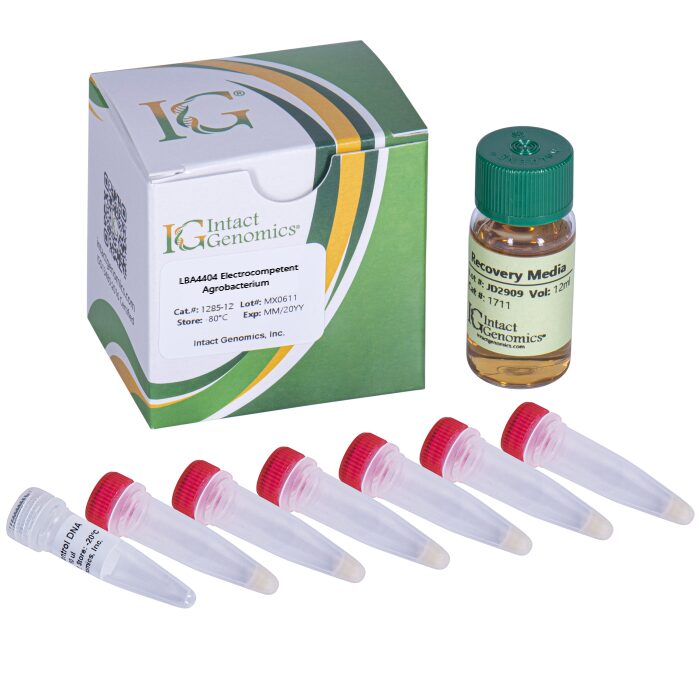
LBA4404 Agrobacterium ElectroCompetent Cells
1285-20
10x 50 µL
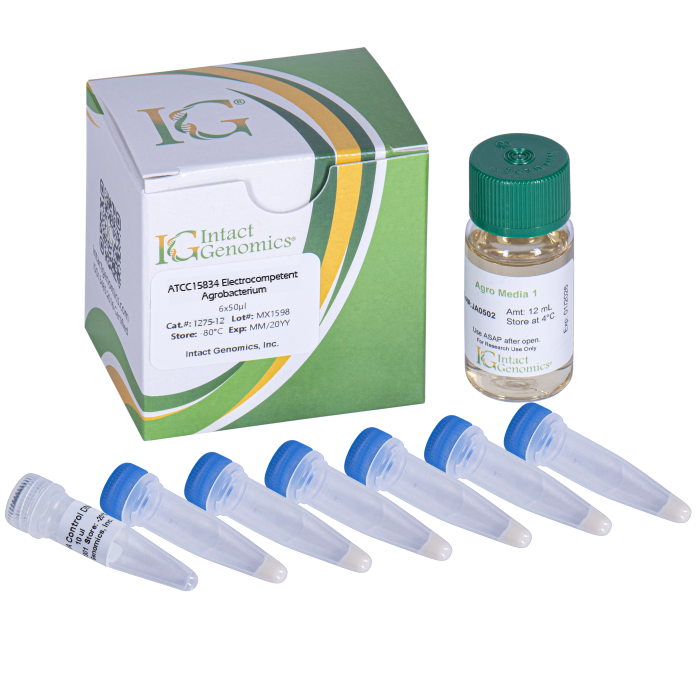
ATCC15834 Agrobacterium ElectroCompetent Cells
1275-36
18x 50 µL
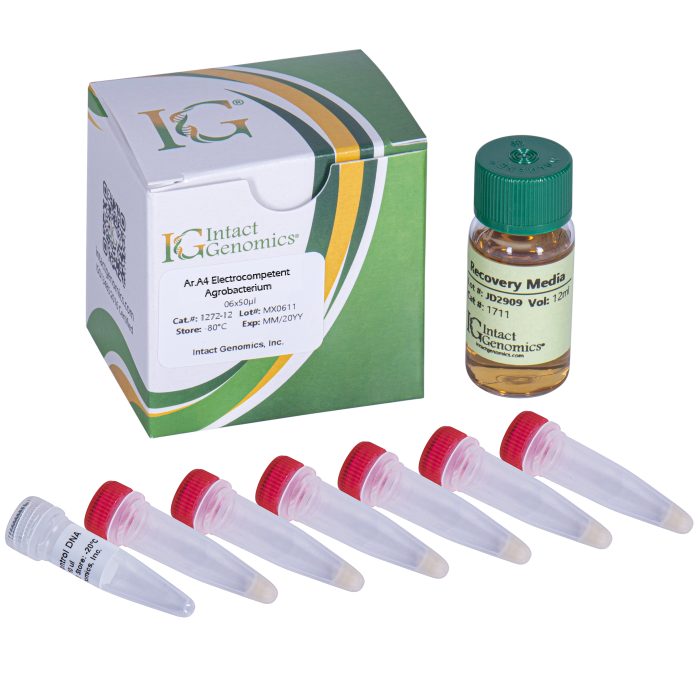
Ar.A4 Agrobacterium ElectroCompetent Cells
1272-12
6x 50 µL
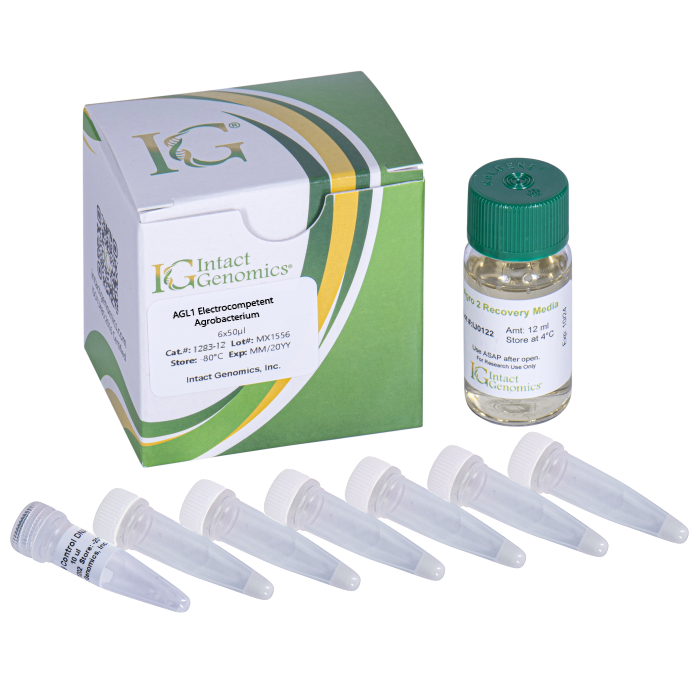
AGL1 Agrobacterium ElectroCompetent Cells
1283-12
6x 50 µL
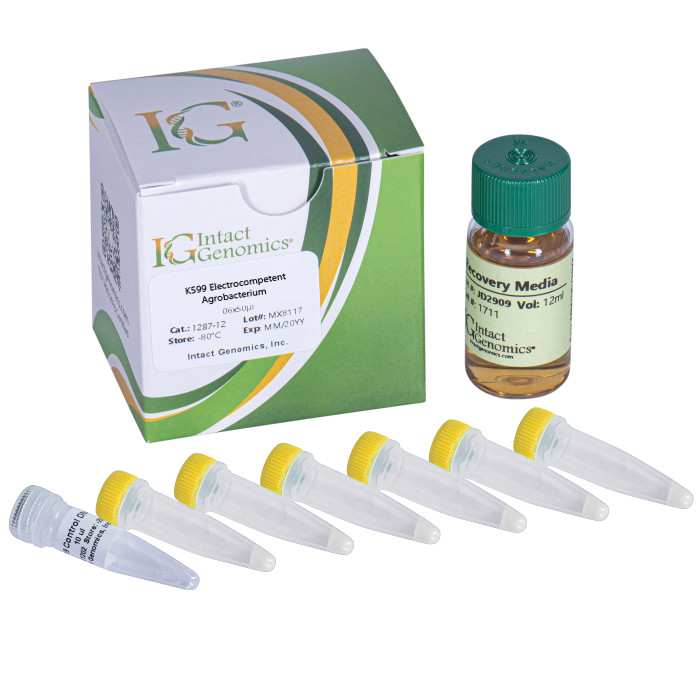
K599 Agrobacterium ElectroCompetent Cells
1287-12
6x 50 µL
AGL1 Agrobacterium ElectroCompetent Cells
1283-20
10x 50 µL
Ar.A4 Agrobacterium ElectroCompetent Cells
1272-36
18x 50 µL
AGL1 Agrobacterium ElectroCompetent Cells
1283-36
18x 50 µL