

Anti-RSK1 p90/RPS6KA1 Antilichaam Picoband® 31.0647 Vervoeging
Kwaliteit
ISO Gecertificeerd
Levering
24-48 uur
Technische Specificaties
RPS6KA1 (Ribosomal Protein S6 Kinase, 90-KD, 1), also called RSK1, is an enzyme that in humans is encoded by the RPS6KA1 gene. The RSK (ribosomal S6 kinase) family comprises growth factor-regulated serine/threonine kinases, known also as p90 (rsk) . Homologs of RSK exist in several species. By analysis of somatic cell hybrids, Moller et al. (1994) mapped the RPS6KA1 gene to chromosome 3.Bonni et al. (1999) characterized the mechanism by which the RAS-MAPK signaling pathway mediates growth factor-dependent cell survival. Inoue et al. (2007) demonstrated that p90rsk, the kinase immediately downstream from Mos-MAPK, ly targets Erp1 for CSF arrest in Xenopus oocytes.
Ribosomal protein S6 kinase alpha-1; S6K-alpha-1;2.7.11.1;90 kDa ribosomal protein S6 kinase 1; p90-RSK 1; p90RSK1; p90S6K; MAP kinase-activated protein kinase 1a; MAPK-activated protein kinase 1a; MAPKAP kinase 1a; MAPKAPK-1a; Ribosomal S6 kinase 1; RSK-1; RPS6KA1; MAPKAPK1A, RSK1
RPS6KA1
6195
Q15418
• Rabbit
Human, Mouse, Rat
No cross-reactivity with other proteins
A synthetic peptide corresponding to a sequence at the C-terminus of human RSK1 p90, identical to the related rat and mouse sequences.
• Polyclonal
Flow Cytometry
Epigenetics and Nuclear Signaling, MAPK Pathway, Protein Phosphorylation, Ser/Thr Kinases, Signal Transduction, Transcription
Immunogen affinity purified.
Liquid
Serine/threonine-protein kinase that acts downstream of ERK (MAPK1/ERK2 and MAPK3/ERK1) signaling and mediates mitogenic and stress-induced activation of the transcription factors CREB1, ETV1/ER81 and NR4A1/NUR77, regulates translation through RPS6 and EIF4B phosphorylation, and mediates cellular proliferation, survival, and differentiation by modulating mTOR signaling and repressing pro-apoptotic function of BAD and DAPK1. In fibroblast, is required for EGF-stimulated phosphorylation of CREB1, which results in the subsequent transcriptional activation of several immediate-early genes. In response to mitogenic stimulation (EGF and PMA), phosphorylates and activates NR4A1/NUR77 and ETV1/ER81 transcription factors and the cofactor CREBBP. Upon insulin- derived signal, acts inly on the transcription regulation of several genes by phosphorylating GSK3B at 'Ser-9' and inhibiting its activity. Phosphorylates RPS6 in response to serum or EGF via an mTOR-independent mechanism and promotes translation initiation by facilitating assembly of the pre-initiation complex. In response to insulin, phosphorylates EIF4B, enhancing EIF4B affinity for the EIF3 complex and stimulating cap-dependent translation. Is involved in the mTOR nutrient-sensing pathway by ly phosphorylating TSC2 at 'Ser-1798', which potently inhibits TSC2 ability to suppress mTOR signaling, and mediates phosphorylation of RPTOR, which regulates mTORC1 activity and may promote rapamycin-sensitive signaling independently of the PI3K/AKT pathway. Mediates cell survival by phosphorylating the pro-apoptotic proteins BAD and DAPK1 and suppressing their pro- apoptotic function. Promotes the survival of hepatic stellate cells by phosphorylating CEBPB in response to the hepatotoxin carbon tetrachloride (CCl4) . Mediates induction of hepatocyte prolifration by TGFA through phosphorylation of CEBPB (By similarity) . Is involved in cell cycle regulation by phosphorylating the CDK inhibitor CDKN1B, which promotes CDKN1B association with 14-3-3 proteins and prevents its translocation to the nucleus and inhibition of G1 progression. .
1. Bonni, A., Brunet, A., West, A. E., Datta, S. R., Takasu, M. A., Greenberg, M. E. Cell survival promoted by the Ras-MAPK signaling pathway by transcription-dependent and -independent mechanisms. Science 286: 1358-1362, 1999. 2. Inoue, D., Ohe, M., Kanemori, Y., Nobui, T., Sagata, N. A link of the Mos-MAPK pathway to Erp1/Emi2 in meiotic arrest of Xenopus laevis eggs. Nature 446: 1100-1104, 2007. 3. Moller, D. E., Xia, C. H., Tang, W., Zhu, A. X., Jakubowski, M. Human rsk isoforms: cloning and characterization of tissue-specific expression. Am. J. Physiol. 266: C351-C359, 1994.
At -20 ̊C for one year from date of receipt. Avoid repeated freezing and thawing. Protect from light.
82723 MW
No cross reactivity with other proteins.
6
Ribosomal protein S6 kinase alpha-1
Nucleus. Cytoplasm.
Belongs to the protein kinase superfamily. AGC Ser/Thr protein kinase family. S6 kinase subfamily.
Ribosomal protein S6 kinase alpha-1
Rabbit IgG
Each vial contains 50% glycerol, 0.9% NaCl, 0.2% Na2HPO4, 0.02% NaN3.
Beschrijving
Anti-RSK1 p90/RPS6KA1 Antilichaam Picoband® 31.0647 Vervoeging Beschikbaar in 100 µg/Vial. Bestel eenvoudig online met snelle levering.
Specificaties
Recent bekeken producten
Cellubrevin Antibody
MBS9436639-01
0.05 mL
Oxidative Stress Combo Assay Tissue Kit
EA-7008
1 Each
Arachis hypogaea Lectin (PNA) - Biotinylated
21510020-1
5mg
1,4- Dioxane Pure
1041330 500
500 mL
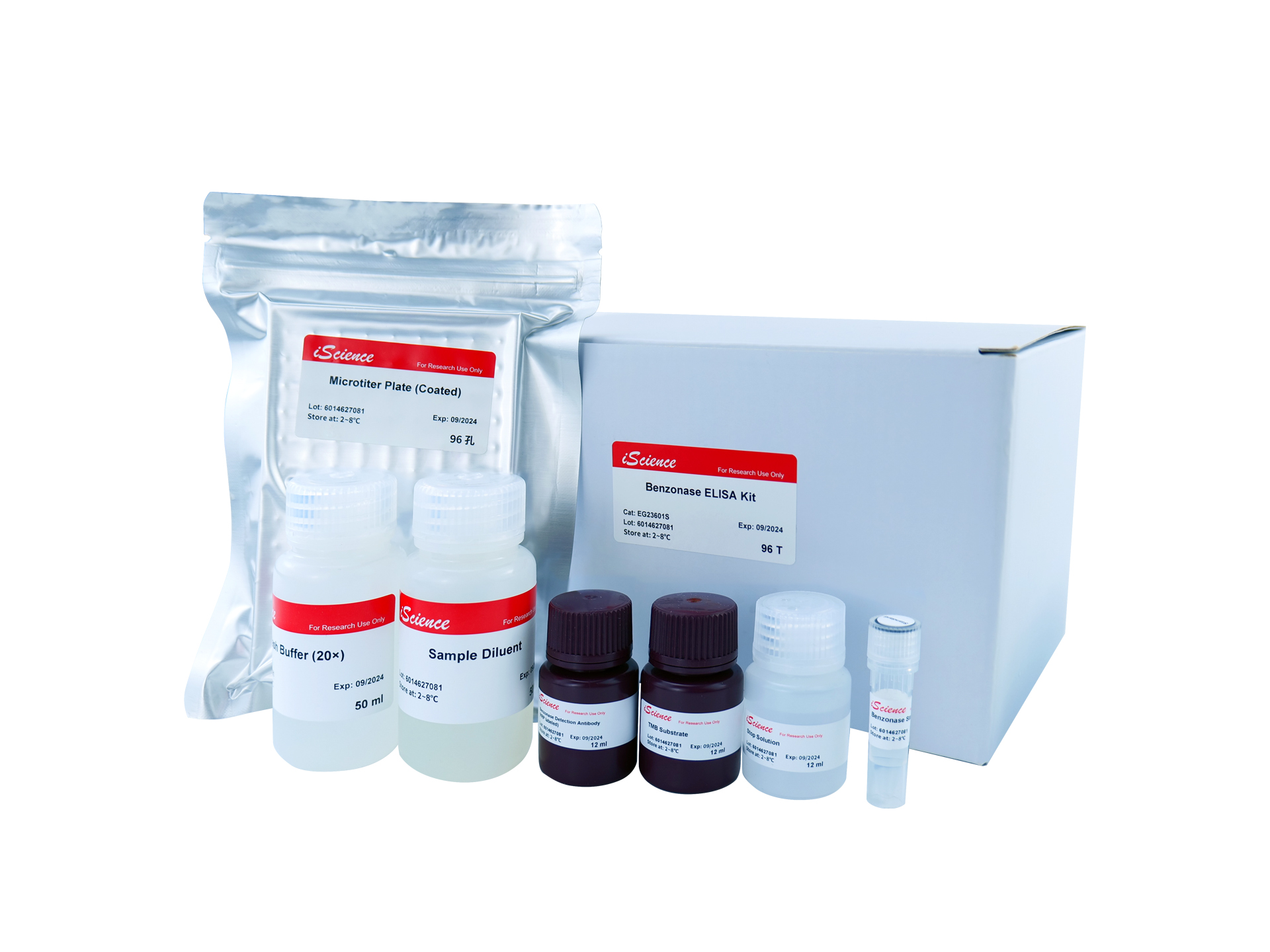
Benzonase ELISA Kit
EG23601S
96 Tests

Not I Restriction Enzyme
B2016623
500 Units
K562-HLA-G0101 Overexpressing Cell Line
RG-1214
5x 10^6
Yeast Poly (A) Polymerase
RNT-006-S
30000 Units
Recent gezochte producten
Cellubrevin Antibody
MBS9436639-01
0.05 mL
Rat Oxidative Stress Primer Library
ROSL-I
1 set
DTNB (Ellman’s) Thiol Oxidative Stress Assay
1021
1 Kit
OSR1 (Oxidative Stress Responsive 1)
MBS616581-01
0.1 mL
Oxidative Stress Combo Assay Cell Kit
EA-7006
1 Each
Oxidative Stress Combo Assay Blood Kit
EA-7007
1 Each
Oxidative Stress Combo Assay Tissue Kit
EA-7008
1 Each
OSR1 (Oxidative Stress Responsive 1)
O8054
100 µL