

Anti-Scavenging Receptor SR-BI/SCRB1 Antibody Picoband® fluoro594 Vervoeging
Kwaliteit
ISO Gecertificeerd
Levering
24-48 uur
Technische Specificaties
Scavenger receptor class B member 1 (SRB1), also known as SR-BI, is a protein that in humans is encoded by the SCARB1 gene. SR-BI functions as a receptor for high-density lipoprotein. Scavenger receptor class B, type I (SR-BI) is an integral membrane protein found in numerous cell types/tissues, including the liver and adrenal. It is best known for its role in facilitating the uptake of cholesteryl esters from high-density lipoproteins in the liver. This process drives the movement of cholesterol from peripheral tissues towards the liver for excretion. This movement of cholesterol is known as reverse cholesterol transport and is a protective mechanism against the development of atherosclerosis, which is the principal cause of heart disease and stroke. SR-BI has also been identified in the livers of non-mammalian species (turtle, goldfish, shark, chicken, frog, and skate), suggesting it emerged early in vertebrate evolutionary history. The turtle also seems to upregulate SB-RI during egg development, indicating that cholesterol efflux may be at peak levels during developmental stages.
Phosphatidylinositol 4,5-bisphosphate 3-kinase catalytic subunit beta isoform; PI3-kinase subunit beta; PI3K-beta; PI3Kbeta; PtdIns-3-kinase subunit beta;2.7.1.153; Phosphatidylinositol 4,5-bisphosphate 3-kinase 110 kDa catalytic subunit beta; PtdIns-3-kinase subunit p110-beta; p110beta; PIK3CB; PIK3C1
SCARB1
949
Q8WTV0
• Rabbit
Human, Mouse
No cross-reactivity with other proteins
E.coli-derived human Scavenging Receptor SR-BI/SCARB1 recombinant protein (Position: F70-R492) .
• Polyclonal
Expressed ubiquitously.
Flow Cytometry
Metabolism Of Carbohydrates, Mitochondrial, Mitochondrial Markers, Mitochondrial Metabolism, Oxidative Phosphorylation, Oxidative Stress, Pathways and Processes, Redox Metabolism, Signal Transduction
Immunogen affinity purified.
Liquid
Phosphoinositide-3-kinase (PI3K) that phosphorylates PtdIns (Phosphatidylinositol), PtdIns4P (Phosphatidylinositol 4- phosphate) and PtdIns (4,5) P2 (Phosphatidylinositol 4,5- bisphosphate) to generate phosphatidylinositol 3,4,5-trisphosphate (PIP3) . PIP3 plays a key role by recruiting PH domain-containing proteins to the membrane, including AKT1 and PDPK1, activating signaling cascades involved in cell growth, survival, proliferation, motility and morphology. Involved in the activation of AKT1 upon stimulation by G-protein coupled receptors (GPCRs) ligands such as CXCL12, sphingosine 1-phosphate, and lysophosphatidic acid. May also act downstream receptor tyrosine kinases. Required in different signaling pathways for stable platelet adhesion and aggregation. Plays a role in platelet activation signaling triggered by GPCRs, alpha-IIb/beta-3 integrins (ITGA2B/ ITGB3) and ITAM (immunoreceptor tyrosine-based activation motif) -bearing receptors such as GP6. Regulates the strength of adhesion of ITGA2B/ ITGB3 activated receptors necessary for the cellular transmission of contractile forces. Required for platelet aggregation induced by F2 (thrombin) and thromboxane A2 (TXA2) . Has a role in cell survival. May have a role in cell migration. Involved in the early stage of autophagosome formation. Modulates the intracellular level of PtdIns3P (Phosphatidylinositol 3-phosphate) and activates PIK3C3 kinase activity. May act as a scaffold, independently of its lipid kinase activity to positively regulate autophagy. May have a role in insulin signaling as scaffolding protein in which the lipid kinase activity is not required. May have a kinase-independent function in regulating cell proliferation and in clathrin-mediated endocytosis. Mediator of oncogenic signal in cell lines lacking PTEN. The lipid kinase activity is necessary for its role in oncogenic transformation. Required for the growth of ERBB2 and RAS driven tumors. .
1. Entrez Gene: SCARB1 Scavenger receptor class B, member 1. 2. Acton S, Rigotti A, Landschulz KT, Xu S, Hobbs HH, Krieger M (January 1996) . Identification of scavenger receptor SR-BI as a high density lipoprotein receptor.Science 271 (5248) : 518–20. 3. Duggan AE, Marie RS, Callard IP (April 2002) . Expression of SR-BI (Scavenger Receptor Class B Type I) in turtle (Chrysemys picta) tissues and other nonmammalian vertebrates. J. Exp. Zool.292 (5) : 430–4.
At -20 ̊C for one year from date of receipt. Avoid repeated freezing and thawing. Protect from light.
122762 MW
6
Phosphatidylinositol 4,5-bisphosphate 3-kinase catalytic subunit beta isoform
Cytoplasm . Nucleus . Interaction with PIK3R2 is required for nuclear localization and export.
Phosphatidylinositol 4,5-bisphosphate 3-kinase catalytic subunit beta isoform
Rabbit IgG
Each vial contains 50% glycerol, 0.9% NaCl, 0.2% Na2HPO4, 0.02% NaN3.
Beschrijving
Anti-Scavenging Receptor SR-BI/SCRB1 Antibody Picoband® fluoro594 Vervoeging Beschikbaar in 100 µg/Vial. Bestel eenvoudig online met snelle levering.
Specificaties
Recent bekeken producten
Arachis hypogaea Lectin (PNA) - Biotinylated
21510020-1
5mg
1,4- Dioxane Pure
1041330 500
500 mL
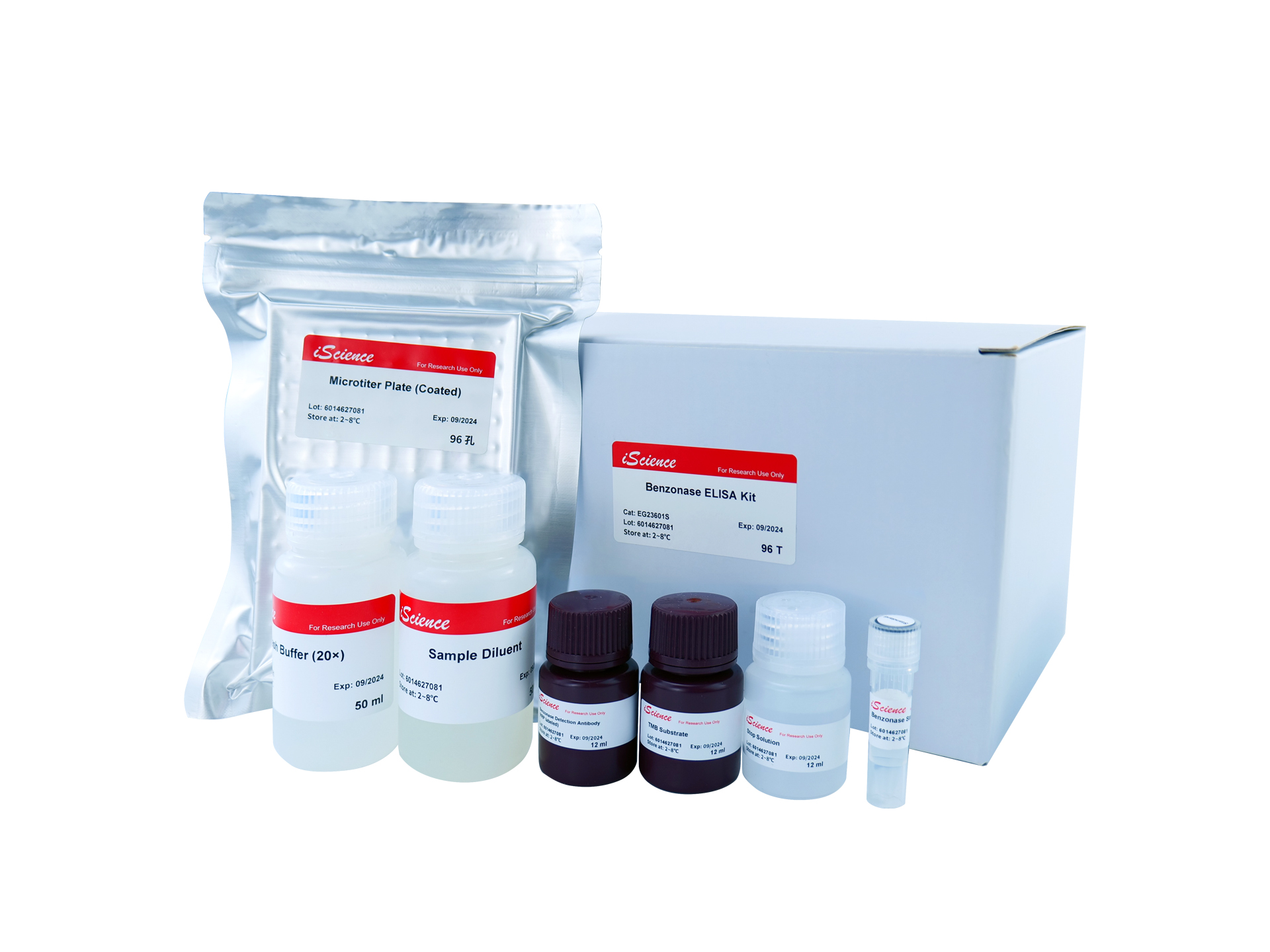
Benzonase ELISA Kit
EG23601S
96 Tests

Not I Restriction Enzyme
B2016623
500 Units
K562-HLA-G0101 Overexpressing Cell Line
RG-1214
5x 10^6
Yeast Poly (A) Polymerase
RNT-006-S
30000 Units
Arachis hypogaea lectin (PNA)
05-0116-10mg
10 mg
Anti-APOE2 mouse monoclonal antibody
TD-AB0132
100 µg