

Anti-Serine-eiwit kinase ATM ATM Antibody Picoband® fluoro488 Vervoeging
Kwaliteit
ISO Gecertificeerd
Levering
24-48 uur
Technische Specificaties
ATM (ataxia telangiectasia mutated), also known as TEL1 or TELO1, is a serine/threonine protein kinase that is recruited and activated by DNA double-strand breaks. The ATM protein is a member of the phosphatidylinositol 3-kinase family of proteins that respond to DNA damage by phosphorylating key substrates involved in DNA repair and/or cell cycle control. Linkage analysis of ataxia-telangiectasia led to mapping of the ATM gene to chromosome 11q22.3. Using an antiserum developed to a peptide corresponding to the deduced amino acid sequence of ATM, the ATM protein is a single, high molecular weight protein predominantly confined to the nucleus of human fibroblasts, although it is present in both nuclear and microsomal fractions from human lymphoblast cells and peripheral blood lymphocytes. Overexpression of ATM cDNA in AT cells enhanced their survival after radiation exposure, decreased radiation-induced chromosome aberrations, reduced radioresistant DNA synthesis, and partially corrected defective cell cycle checkpoints and induction of stress-activated protein kinase. ATM has an essential role in the reconstitutive capacity of hematopoietic stem cells but is not as important for the proliferation or differentiation of progenitors, in a telomere-independent manner. ATM functions ly in the repair of chromosomal DNA double-stranded breaks by maintaining DNA ends in repair complexes generated during lymphocyte gene assembly.
Serine-protein kinase ATM;2.7.11.1; Ataxia telangiectasia mutated; A-T mutated; ATM
ATM
472
Q13315
• Rabbit
Rat, Mouse, Human
No cross-reactivity with other proteins
A synthetic peptide corresponding to a sequence at the N-terminus of human ATM, different from the related rat and mouse sequences by two amino acids.
• Polyclonal
Found in pancreas, kidney, skeletal muscle, liver, lung, placenta, brain, heart, spleen, thymus, testis, ovary, small intestine, colon and leukocytes.
Flow Cytometry
Cancer, DNA/RNA, DNA Damage & Repair, DNA Damage Response, Epigenetics and Nuclear Signaling, Oncoproteins/Suppressors, Tumor Suppressors
Immunogen affinity purified.
Liquid
Serine/threonine protein kinase which activates checkpoint signaling upon double strand breaks (DSBs), apoptosis and genotoxic stresses such as ionizing ultraviolet A light (UVA), thereby acting as a DNA damage sensor. Recognizes the substrate consensus sequence [ST]-Q. Phosphorylates 'Ser-139' of histone variant H2AX/H2AFX at double strand breaks (DSBs), thereby regulating DNA damage response mechanism. Also plays a role in pre-B cell allelic exclusion, a process leading to expression of a single immunoglobulin heavy chain allele to enforce clonality and monospecific recognition by the B-cell antigen receptor (BCR) expressed on individual B-lymphocytes. After the introduction of DNA breaks by the RAG complex on one immunoglobulin allele, acts by mediating a repositioning of the second allele to pericentromeric heterochromatin, preventing accessibility to the RAG complex and recombination of the second allele. Also involved in signal transduction and cell cycle control. May function as a tumor suppressor. Necessary for activation of ABL1 and SAPK. Phosphorylates DYRK2, CHEK2, p53/TP53, FANCD2, NFKBIA, BRCA1, CTIP, nibrin (NBN), TERF1, RAD9 and DCLRE1C. May play a role in vesicle and/or protein transport. Could play a role in T-cell development, gonad and neurological function. Plays a role in replication-dependent histone mRNA degradation. Binds DNA ends. Phosphorylation of DYRK2 in nucleus in response to genotoxic stress prevents its MDM2-mediated ubiquitination and subsequent proteasome degradation. Phosphorylates ATF2 which stimulates its function in DNA damage response. .
1. Allen, D. M., van Praag, H., Ray, J., Weaver, Z., Winrow, C. J., Carter, T. A., Braquet, R., Harrington, E., Ried, T., Brown, K. D., Gage, F. H., Barlow, C. Ataxia telangiectasia mutated is essential during adult neurogenesis. Genes Dev. 15: 554-566, 2001. 2. Bakkenist, C. J., Kastan, M. B. DNA damage activates ATM through intermolecular autophosphorylation and dimer dissociation.Nature 421: 499-506, 2003. 3. Chong, M. J., Murray, M. R., Gosink, E. C., Russell, H. R. C., Srinivasan, A., Kapsetaki, M., Korsmeyer, S. J., McKinnon, P. J. Atm and Bax cooperate in ionizing radiation-induced apoptosis in the central nervous system. Proc. Nat. Acad. Sci. 97: 889-894, 2000.
At -20 ̊C for one year from date of receipt. Avoid repeated freezing and thawing. Protect from light.
350687 MW
No cross reactivity with other proteins.
6
Serine-protein kinase ATM
Nucleus. Cytoplasmic vesicle. Primarily nuclear. Found also in endocytic vesicles in association with beta-adaptin.
Belongs to the PI3/PI4-kinase family. ATM subfamily.
Serine-protein kinase ATM
Rabbit IgG
Each vial contains 50% glycerol, 0.9% NaCl, 0.2% Na2HPO4, 0.02% NaN3.
Beschrijving
Anti-Serine-eiwit kinase ATM ATM Antibody Picoband® fluoro488 Vervoeging Beschikbaar in 100 µg/Vial. Bestel eenvoudig online met snelle levering.
Specificaties
Recent bekeken producten
Cellubrevin Antibody
MBS9436639-01
0.05 mL
Oxidative Stress Combo Assay Tissue Kit
EA-7008
1 Each
Arachis hypogaea Lectin (PNA) - Biotinylated
21510020-1
5mg
1,4- Dioxane Pure
1041330 500
500 mL
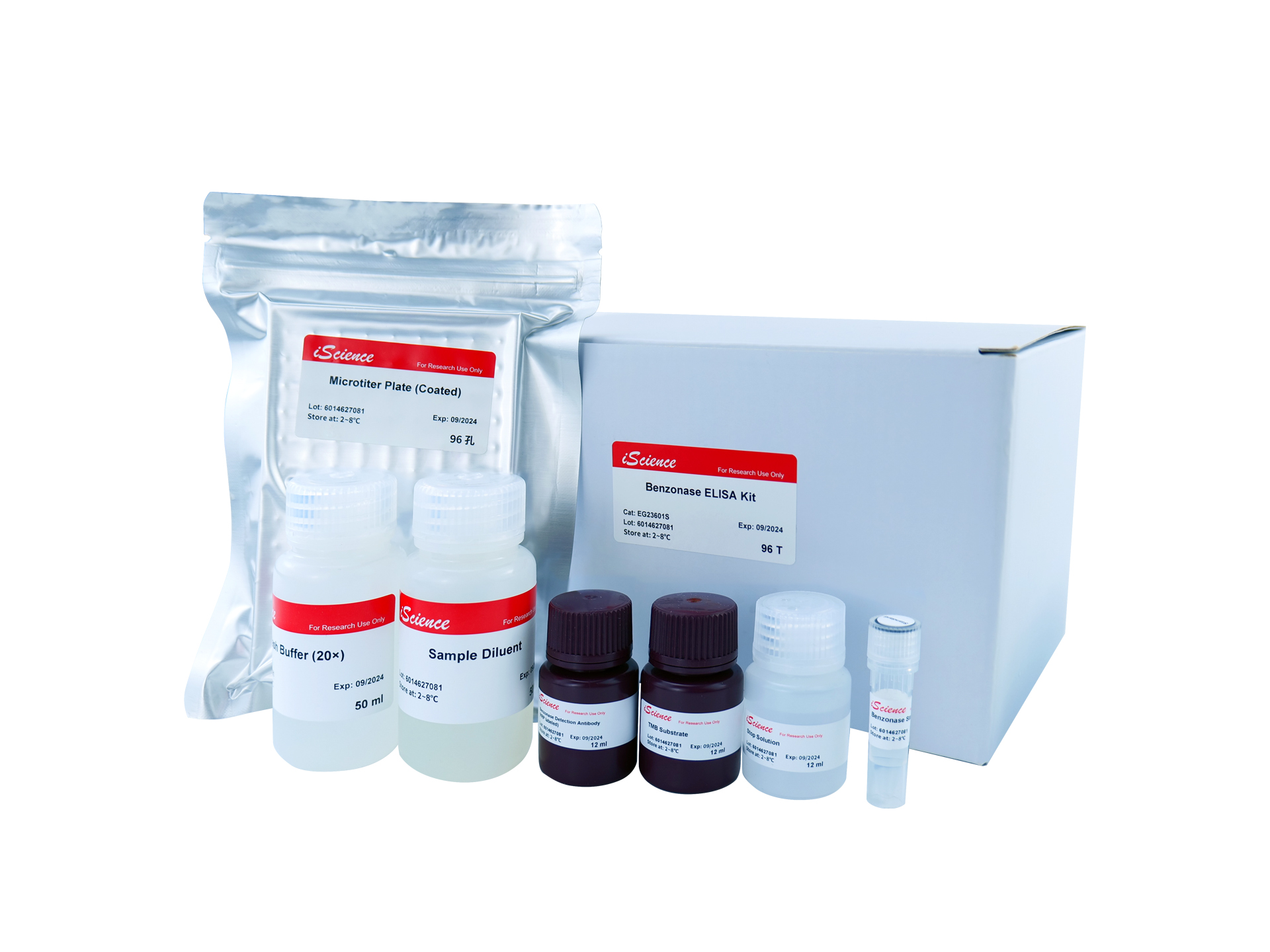
Benzonase ELISA Kit
EG23601S
96 Tests

Not I Restriction Enzyme
B2016623
500 Units
K562-HLA-G0101 Overexpressing Cell Line
RG-1214
5x 10^6
Yeast Poly (A) Polymerase
RNT-006-S
30000 Units
Recent gezochte producten
Cellubrevin Antibody
MBS9436639-01
0.05 mL
Rat Oxidative Stress Primer Library
ROSL-I
1 set
DTNB (Ellman’s) Thiol Oxidative Stress Assay
1021
1 Kit
OSR1 (Oxidative Stress Responsive 1)
MBS616581-01
0.1 mL
Oxidative Stress Combo Assay Cell Kit
EA-7006
1 Each
Oxidative Stress Combo Assay Blood Kit
EA-7007
1 Each
Oxidative Stress Combo Assay Tissue Kit
EA-7008
1 Each
OSR1 (Oxidative Stress Responsive 1)
O8054
100 µL