

Anti-SSRP1 Antibody Picoband® fluoro594 Vervoeging
Kwaliteit
ISO Gecertificeerd
Levering
24-48 uur
Technische Specificaties
FACT complex subunit SSRP1 also known as structure specific recognition protein 1 is a protein that in humans is encoded by the SSRP1 gene. The protein encoded by this gene is a subunit of a heterodimer that, along with SUPT16H, forms chromatin transcriptional elongation factor FACT. FACT interacts specifically with histones H2A/H2B to effect nucleosome disassembly and transcription elongation. FACT and cisplatin-damaged DNA may be crucial to the anticancer mechanism of cisplatin. This encoded protein contains a high mobility group box which most likely constitutes the structure recognition element for cisplatin-modified DNA. This protein also functions as a co-activator of the transcriptional activator p63. An alternatively spliced transcript variant of this gene has been described, but its full-length nature is not known.
Homeobox protein SIX3; Sine oculis homeobox homolog 3; SIX3
SSRP1
6749
Q08945
• Rabbit
Human, Monkey, Mouse, Rat
No cross-reactivity with other proteins.
E.coli-derived human SSRP1 recombinant protein (Position: A2-R381) .
• Polyclonal
Highly expressed in placenta, lung, kidney, testis and ovary. Weakly expressed in spleen and thymus. Not expressed in peripheral blood lymphocytes. Detected in hippocampus.
Flow Cytometry
Developmental Families, Domain Families, Epigenetics and Nuclear Signaling, Neurogenesis, Neurology Process, Neuroscience, Transcription
Immunogen affinity purified.
Liquid
Transcriptional regulator which can act as both a transcriptional repressor and activator by binding a ATTA homeodomain core recognition sequence on these target genes. During forebrain development represses WNT1 expression allowing zona limitans intrathalamica formation and thereby ensuring proper anterio-posterior patterning of the diencephalon and formation of the rostral diencephalon. Acts as a upstream activator of SHH expression in the rostral diencephalon ventral midline and that in turn SHH maintains its expression. In addition, Six3 activity is required for the formation of the telencephalon. During postnatal stages of brain development is necessary for ependymal cell maturation by promoting the maturation of radial glia into ependymal cells through regulation of neuroblast proliferation and migration. Acts on the proliferation and differentiation of neural progenitor cells through activating transcription of CCND1 AND CCND2. During early lens formation plays a role in lens induction and specification by activating ly PAX6 in the presumptive lens ectoderm. In turn PAX6 activates SIX3 resulting in activation of PDGFRA and CCND1 promoting cell proliferation. Also is required for the neuroretina development by ly suppressing WNT8B expression in the anterior neural plate territory. Its action during retina development and lens morphogenesis is AES and TLE4-dependent manner. Furthermore, during eye development regulates several genes expression. Before and during early lens development represses the CRYGF promoter by binding a SIX repressor element. ly activates RHO transcription, or cooperates with CRX or NRL. Six3 functions also in the formation of the proximodistal axis of the optic cup, and promotes the formation of optic vesicles-like structures. During pituitary development, acts in parallel or alternatively with HESX1 to control cell proliferation through Wnt/beta-catenin pathway (By similarity) . Plays a role in eye development by suppressing WNT1 expression and in dorsal- ventral patterning by repressing BMP signaling pathway. .
1. Belotserkovskaya, R., Oh, S., Bondarenko, V. A., Orphanides, G., Studitsky, V. M., Reinberg, D. FACT facilitates transcription-dependent nucleosome alteration. Science 301: 1090-1093, 2003. 2. Bruhn, S. L., Pil, P. M., Essigmann, J. M., Housman, D. E., Lippard, S. J. Isolation and characterization of human cDNA clones encoding a high mobility group box protein that recognizes structural distortions to DNA caused by binding of the anticancer agent cisplatin. Proc. Nat. Acad. Sci. 89: 2307-2311, 1992. 3. Keller, D. M., Zeng, X., Wang, Y., Zhang, Q. H., Kapoor, M., Shu, H., Goodman, R., Lozano, G., Zhao, Y., Lu, H. A DNA damage-induced p53 serine 392 kinase complex contains CK2, hSpt16, and SSRP1. Molec. Cell 7: 283-292, 2001.
At -20 ̊C for one year from date of receipt. Avoid repeated freezing and thawing. Protect from light.
35487 MW
6
Homeobox protein SIX3
Nucleus .
Rabbit IgG
Each vial contains 50% glycerol, 0.9% NaCl, 0.2% Na2HPO4, 0.02% NaN3.
Beschrijving
Anti-SSRP1 Antibody Picoband® fluoro594 Vervoeging Beschikbaar in 100 µg/Vial. Bestel eenvoudig online met snelle levering.
Specificaties
Recent bekeken producten
Arachis hypogaea Lectin (PNA) - Biotinylated
21510020-1
5mg
1,4- Dioxane Pure
1041330 500
500 mL
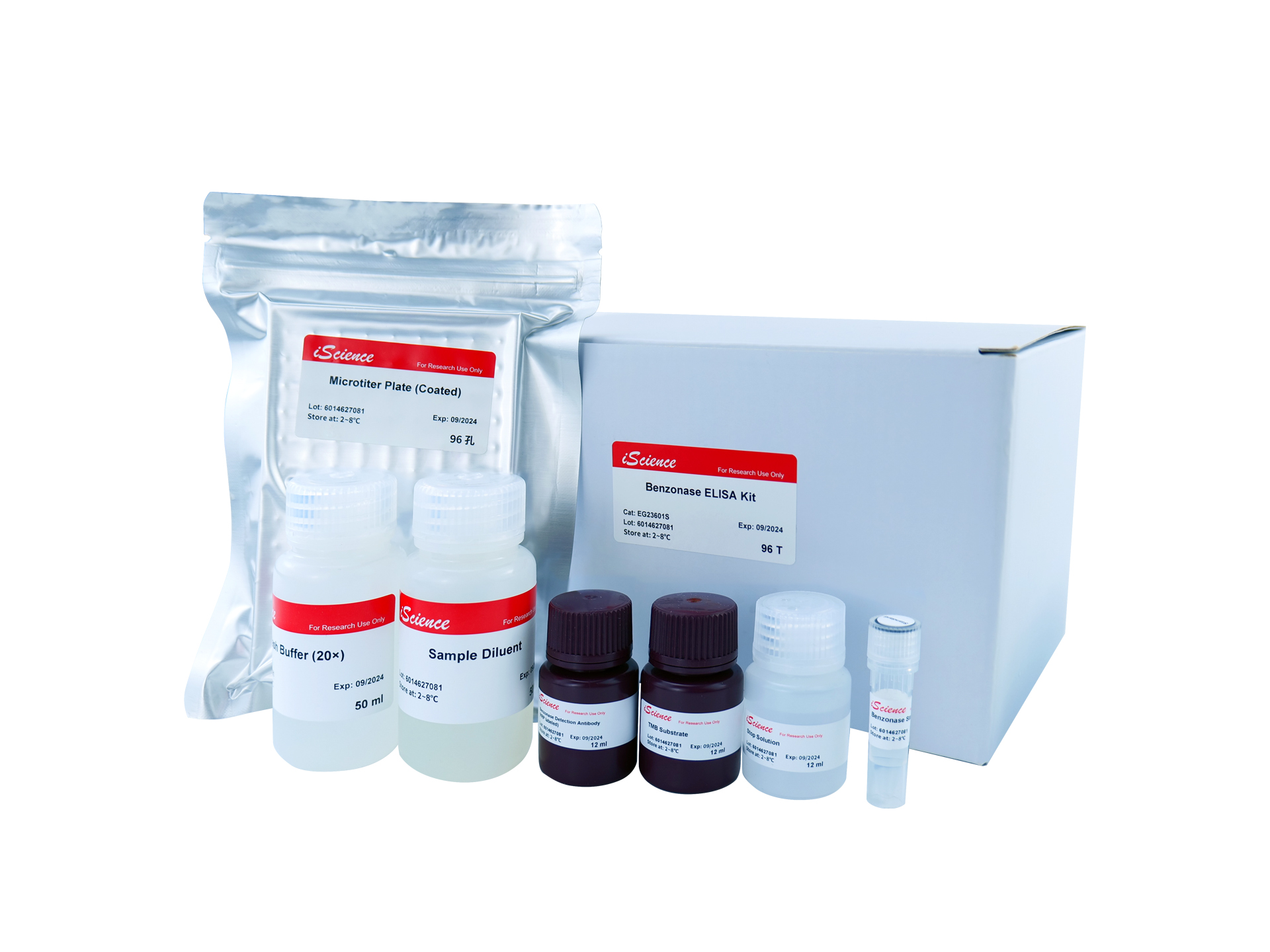
Benzonase ELISA Kit
EG23601S
96 Tests

Not I Restriction Enzyme
B2016623
500 Units
K562-HLA-G0101 Overexpressing Cell Line
RG-1214
5x 10^6
Yeast Poly (A) Polymerase
RNT-006-S
30000 Units
Arachis hypogaea lectin (PNA)
05-0116-10mg
10 mg
Anti-APOE2 mouse monoclonal antibody
TD-AB0132
100 µg