

Anti-Vitamine D Receptor/VDR Antibody Picoband® fluoro594 Vervoeging
Kwaliteit
ISO Gecertificeerd
Levering
24-48 uur
Technische Specificaties
VDR (Vitamin D Receptor), also known as Vitamin D Hormone Receptor, is a member of the nuclear receptor family of transcription factors. Labuda et al. (1991) assigned the VDR gene to 12q12-q14 by in situ hybridization. Using mutation analysis, Jurutka et al. (2000) characterized arg18/arg22, VDR residues immediately N-terminal of the first DNA-binding zinc finger, as vital for contact with the general transcription factor IIB (TFIIB) . A natural polymorphic variant of VDR, termed F/M4 (missing a FokI restriction site), which lacks only the first 3 amino acids (including glu2), interacted more efficiently with TFIIB and also possessed elevated transcriptional activity compared with the full-length (f/M1) receptor. Shah et al. (2006) stated that the signaling and oncogenic activity of beta-catenin (CTNNB1) can be repressed by activation of VDR. Conversely, high levels of beta-catenin can potentiate the transcriptional activity of 1,25-dihydroxyvitamin D3.
Vitamin D3 receptor; VDR;1,25-dihydroxyvitamin D3 receptor; Nuclear receptor subfamily 1 group I member 1; VDR; NR1I1
VDR
7421
P11473
• Rabbit
Human, Mouse, Rat
No cross-reactivity with other proteins
A synthetic peptide corresponding to a sequence at the C-terminus of human VDR, different from the related rat and mouse sequences by one amino acid.
• Polyclonal
Flow Cytometry
Cancer,2339, Domain Families, Epigenetics and Nuclear Signaling, Nuclear Hormone Receptors, Nuclear Receptors, Nuclear Signaling, Nuclear Signaling Pathways, Signal Transduction, Signaling Pathway, Transcription, Zinc Finger
Immunogen affinity purified.
Liquid
Nuclear hormone receptor. Transcription factor that mediates the action of vitamin D3 by controlling the expression of hormone sensitive genes. Recruited to promoters via its interaction with BAZ1B/WSTF which mediates the interaction with acetylated histones, an essential step for VDR-promoter association. Plays a central role in calcium homeostasis. .
1. Jurutka, P. W., Remus, L. S., Whitfield, G. K., Thompson, P. D., Hsieh, J.-C., Zitzer, H., Tavakkoli, P., Galligan, M. A., Dang, H. T. L., Haussler, C. A., Haussler, M. R. The polymorphic N terminus in human vitamin D receptor isoforms influences transcriptional activity by modulating interaction with transcription factor IIB. Molec. Endocr. 14: 401-420, 2000. 2. Labuda, M., Ross, M. V., Fujiwara, T. M., Morgan, K., Ledbetter, D., Hughes, M. R., Glorieux, F. H. Two hereditary defects related to vitamin D metabolism map to the same region of human chromosome 12q.II (Abstract) Cytogenet. Cell Genet. 58: 1978, 1991. 3. Shah, S., Islam, M. N., Dakshanamurthy, S., Rizvi, I., Rao, M., Herrell, R., Zinser, G., Valrance, M., Aranda, A., Moras, D., Norman, A., Welsh, J., Byers, S. W. The molecular basis of vitamin D receptor and beta-catenin crossregulation. Molec. Cell 21: 799-809, 2006. Note: Erratum: Molec. Cell 21: 148 only, 2006.
At -20 ̊C for one year from date of receipt. Avoid repeated freezing and thawing. Protect from light.
48289 MW
No cross reactivity with other proteins.
6
Vitamin D3 receptor
Nucleus.
Belongs to the nuclear hormone receptor family. NR1 subfamily.
Vitamin D3 receptor
Rabbit IgG
Each vial contains 50% glycerol, 0.9% NaCl, 0.2% Na2HPO4, 0.02% NaN3.
Beschrijving
Anti-Vitamine D Receptor/VDR Antibody Picoband® fluoro594 Vervoeging Beschikbaar in 100 µg/Vial. Bestel eenvoudig online met snelle levering.
Specificaties
Recent bekeken producten
Anti- Protein A Antibody
GWB-E66F30
1 mL
Recombinant TAFV GP1 Protein, C-Fc
EVV03609
100 μg
Gabbr1 Mouse Monoclonal Antibody [Clone ID: S93A-49]
TA326530
100 µg
BSA-Myc/DDK Control Protein
AR100025
50 µL
NH-6
ABC-TC0826
1 Vial
Anti-TAT (Thrombin-antithrombin) Antibody
ABS 014-22-1
1000 µL
Anti-APOE2 mouse monoclonal antibody
TD-AB0132
100 µg
CD35 (CR1) mouse monoclonal antibody, clone J3D3, Azide Free
BM2364
0.2 mg
Recent gezochte producten
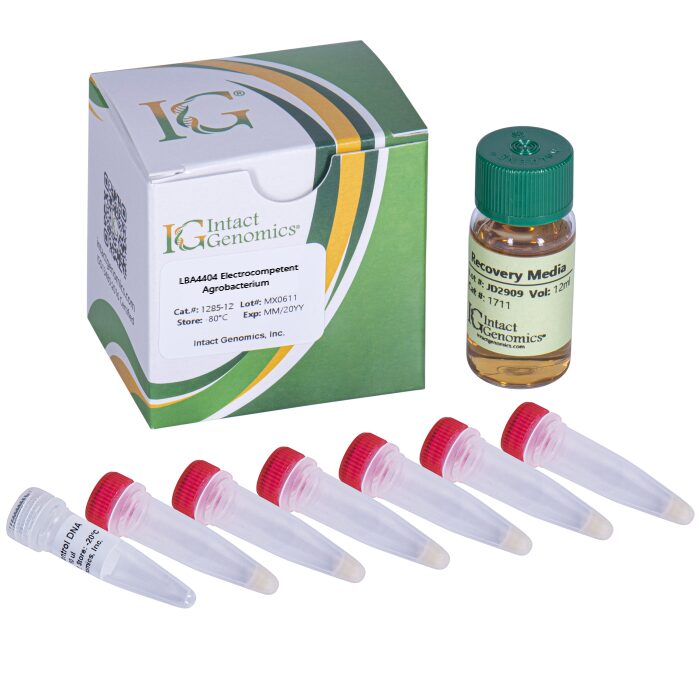
LBA4404 Agrobacterium ElectroCompetent Cells
1285-20
10x 50 µL
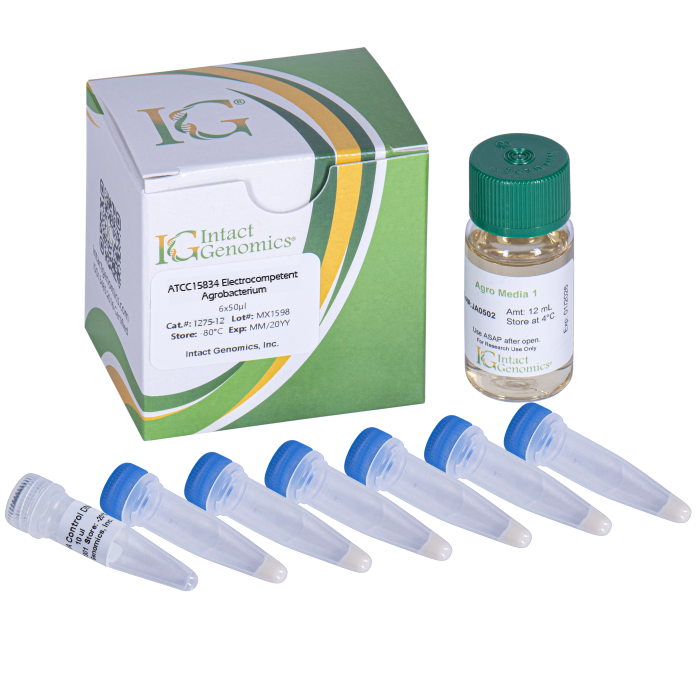
ATCC15834 Agrobacterium ElectroCompetent Cells
1275-36
18x 50 µL
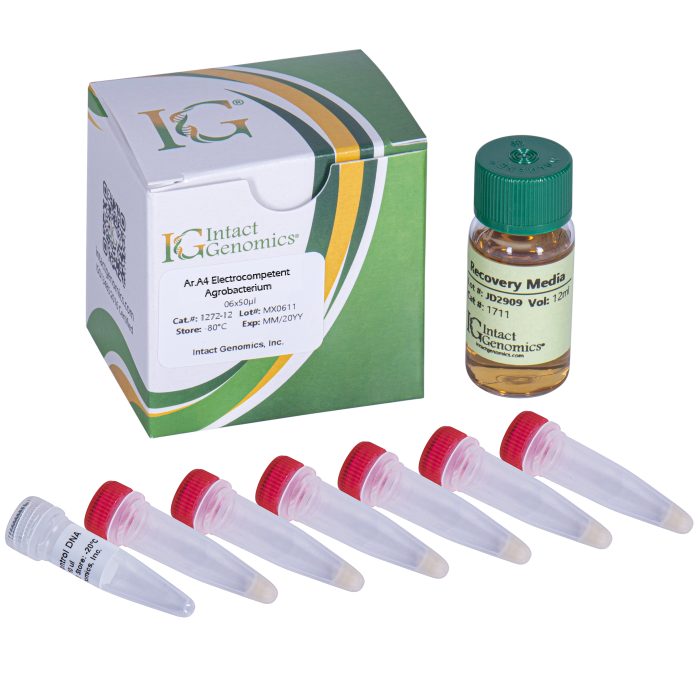
Ar.A4 Agrobacterium ElectroCompetent Cells
1272-12
6x 50 µL
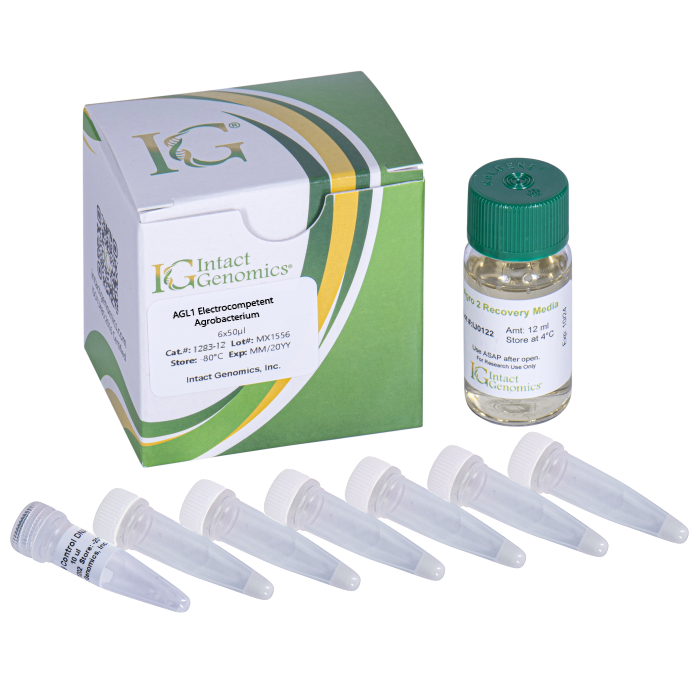
AGL1 Agrobacterium ElectroCompetent Cells
1283-12
6x 50 µL
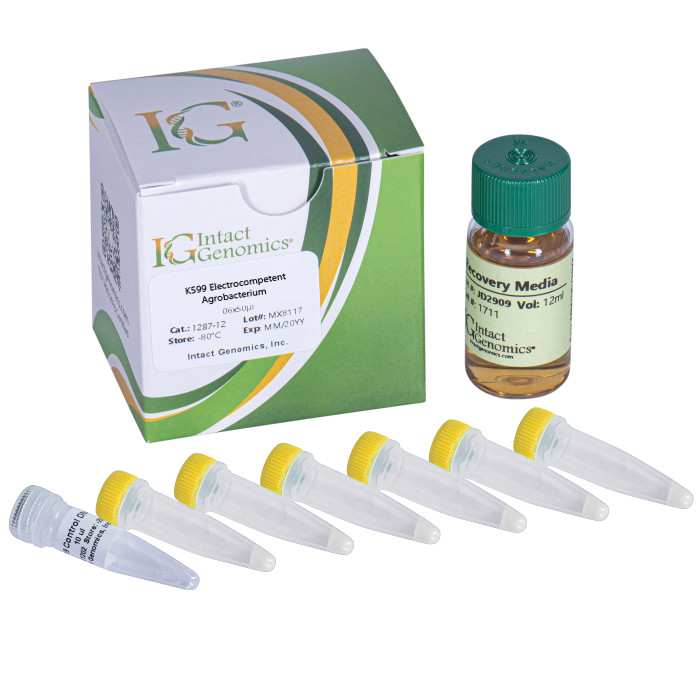
K599 Agrobacterium ElectroCompetent Cells
1287-12
6x 50 µL
AGL1 Agrobacterium ElectroCompetent Cells
1283-20
10x 50 µL
Ar.A4 Agrobacterium ElectroCompetent Cells
1272-36
18x 50 µL
AGL1 Agrobacterium ElectroCompetent Cells
1283-36
18x 50 µL