

Artemin/ARTN-eiwit (hFc-dag)
Kwaliteit
ISO Gecertificeerd
Levering
24-48 uur
Technische Specificaties
Artemin (ARTN) is a member of glial cell line-derived neurotrophic factor (GDNF) family of ligands, and its signaling is mediated via a multi-component receptor complex including the glycosylphosphatidylinositol-anchored GDNF family receptors a (GFRa1, GFRa3) and RET receptor tyrosine kinase. The major mechanism of ARTN action is via binding to a non-signaling co-receptor. The major function of ARTN is to drive the molecule to induce migration and axonal projection from sympathetic neurons. It also promotes the survival, proliferation and neurite outgrowth of sympathetic neurons in vitro. ARTN triggers oncogenicity and metastasis by the activation of the AKT signaling pathway. Recent studies have reported that the expression of ARTN in hepatocellular carcinoma is associated with increased tumor size, quick relapse and shorter survival. Furthermore, ARTN promotes drug resistance such as antiestrogens, doxorubicin, fulvestrant, paclitaxel, tamoxifen and trastuzumab. Moreover, ARTN also stimulates the radio-therapeutic resistance. Hypoxia has been reported to regulate the cancer stem cell (CSC) population yet the underlying mechanism is poorly characterized. Artemin (ARTN) is a member of the glial cell derived neurotrophic factor family of ligands, is a hypoxia-responsive factor and is essential for hypoxia-induced CSC expansion in hepatocellular carcinoma (HCC) . Clinically, elevated expression of ARTN in HCC was associated with larger tumor size, faster relapse and shorter survival. In vitro, HCC cells with forced expression of ARTN exhibited reduced apoptosis, increased proliferation, epithelial-mesenchymal transition (EMT) and enhanced motility. Additionally, ARTN dramatically increased xenograft tumor size and metastasis in vivo. Moreover, ARTN also enhanced tumorsphere formation and the tumor initiating capacity of HCC cells, consequent to expansion of the CD133+ CSC population. ARTN transcription was directly activated by hypoxia-induced factor-1α (HIF-1α) and hypoxia induced ARTN promoted EMT and increased the CSC population via AKT signaling.
Neublastin Protein
NP_033841.1
Mouse
Mouse
HFc-Tag
See Datasheet send with the product
< 1.0 EU per μg protein as determined by the LAL method.
> 90 % as determined by SDS-PAGE.
Immobilized GFR Alpha-3/GFRA3 Protein, Human, Recombinant at 2 μg/mL (100 μL/well) can bind Artemin Protein, Mouse, Recombinant, the EC50 is 18-72 ng/mL.
373
Lyophilized
PBS, pH 7.4
See Datasheet send with the product
40.6 kDa
Samples are stable for up to twelve months from date of receipt at -20°C to -80°C. Store it under sterile conditions at -20°C to -80°C. It is recommended that the protein be aliquoted for optimal storage. Avoid repeated freeze-thaw cycles.
HEK 293 cells
Beschrijving
Artemin (ARTN) is a member of glial cell line-derived neurotrophic factor (GDNF) family of ligands, and its signaling is mediated via a multi-component receptor
Specificaties
Recent bekeken producten

Rat IgG Lyophilized
B2013903
25 mg
Fluorescent Nanodiamond in DI water, < 1ppm NV
NDNV20nmMd10ml
10 mL
Fluorescent Nanodiamond in DI water, ~3ppm NV
NDNV70nmHi10ml
10 mL
Ligation Buffer
LB001
1.4 mL
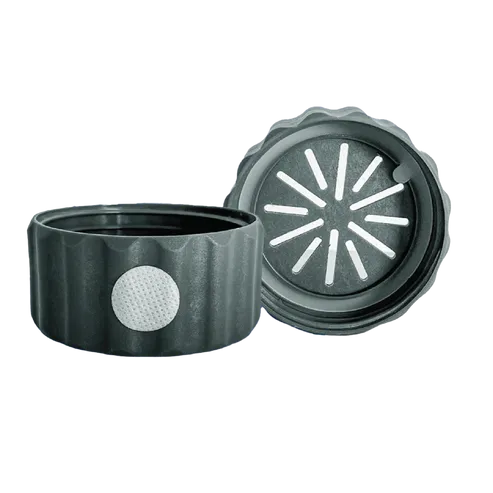
BioCoupler® x 12
BC12
12 Each
Recombinant Common timothy PHLPIV/Phl p 4 Protein, N-His
YZZ03001
100 μg
NP (4-hydroxy-3-nitrophenylacetate)
NP-BSA-03Low – 10 mg
10 mg
NP (4-hydroxy-3-nitrophenylacetate)
NP-BSA-03High – 10 mg
10 mg
Recent gezochte producten
Rabbit IgG Lyophilized
B2014183
50 mg
Goat IgG Lyophilized
B2013964
50 mg
Rat IgG Lyophilized
B2013903
25 mg
Rat IgG (Lyophilized Powder, ≥95%)
A7052-10mg
10 mg
Rat IgG (Lyophilized Powder, ≥95%)
A7052-2mg
2 mg
Rat IgG (Lyophilized Powder, ≥95%)
A7052-50mg
50 mg
Goat IgG (Lyophilized Powder, ≥95%)
A7054-10mg
10 mg
Goat IgG (Lyophilized Powder, ≥95%)
A7054-2mg
2 mg