

C1Q-rat
Kwaliteit
ISO Gecertificeerd
Levering
24-48 uur
Technische Specificaties
Source:Rat Plasma.Physical Appearance:Sterile filtered solution.Biological ActivitynullC1q is the first component of the classical pathway of complement activation. C1q along with the enzymatically active components C1r and C1s forms the C1 complex. When C1 binds to immunoglobulins in the form of immune complexes, it leads to activation of C1r and C1s proteases and a further activates the classical pathway of complement. C1q is a glycoprotein that belongs to the collectin family, having a molecular weight of about 410-462 kDa. C1q is a hexamer composed of globular heads attached to collagen-like triple-helix tails. The globular heads of C1q exclusively bind to the CH2 domain of IgG molecules or the CH3 domain of IgM. Each heavy chain of the immunoglobulin molecule contains a single binding site for C1q. Given that C1q must bind to no less than two heavy chains in order to alter its conformation and activate C1r and C1s, its activation follows only after binding to immunoglobulins in the form of immune complexes bound to multivalent antigens. C1qâ€TMs main physiological role is in the clearance of immune complexes and apoptotic bodies from the organism. Interruption of this process may lead to development of autoimmunity. Individuals with genetic deficiencies of C1q or other components of the classical pathway are at risk to develop SLE. C1q specifically binds to apoptotic bodies of human keratinocytes, vascular endothelial cells and lymphocytes. Complement components C1q and bound C3 mediate the clearance of apoptotic bodies. Hence, C1q may advance the clearance of autoantigens, avoiding stimulation of the immune system. Nonetheless, an extended exposition of the immune system to the neoepitope exposed on C1q molecules bound to immune complexes or apoptotic bodies could ultimately lead to an autoimmune response against C1q itself and to an altered complement function. C1q deficiency may also lead to disruption of the negative selection of autoreactive B cells. C1q along with other specific recognition proteins bind to the highly conserved lupus antigens (dsDNA and nuclear proteins) and activate the complement system. Autoantibodies against C1q (anti-C1q) are found in a number of autoimmune and infectious diseases like glomerulonephritis (GN) and lupus erythematosus (SLE), these antibodies are significant in clinical practice due to their negative predictive value.Rat Complement C1Q produced in Rat plasma having a molecular weight of 400kDa.
Component C1q, Complement C1q, Complement Component C1q, C1q.
Greater than 85.0% as determined by SDS-PAGE.
C1Q solution contains 10mM HEPES and 300mM NaCl, pH 7.2.
C1Q Rat is stable at 4°C if entire vial will be used within 2-4 weeks.Store, frozen below -20°C for longer periods of time.For long term storage it is recommended to add a carrier protein (0.1% HSA or BSA) .Avoid multiple freeze-thaw cycles.
Beschrijving
Source:Rat Plasma.Physical Appearance:Sterile filtered solution.Biological ActivitynullC1q is the first component of the classical pathway of complement activat
Specificaties
Recent bekeken producten
Anti-APOE2 mouse monoclonal antibody
TD-AB0132
100 µg
Human Apolipoprotein E2 (Apo E2) Antibody
22210-05011
150 µg
MycoBlue Mycoplasma Detector
D101-02
50 Reactions
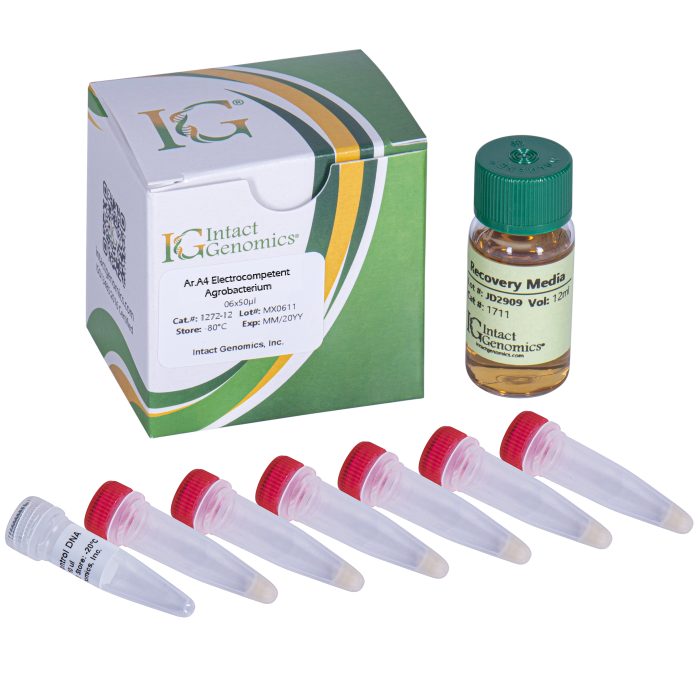
Ar.A4 Agrobacterium ElectroCompetent Cells
1272-36
18x 50 µL
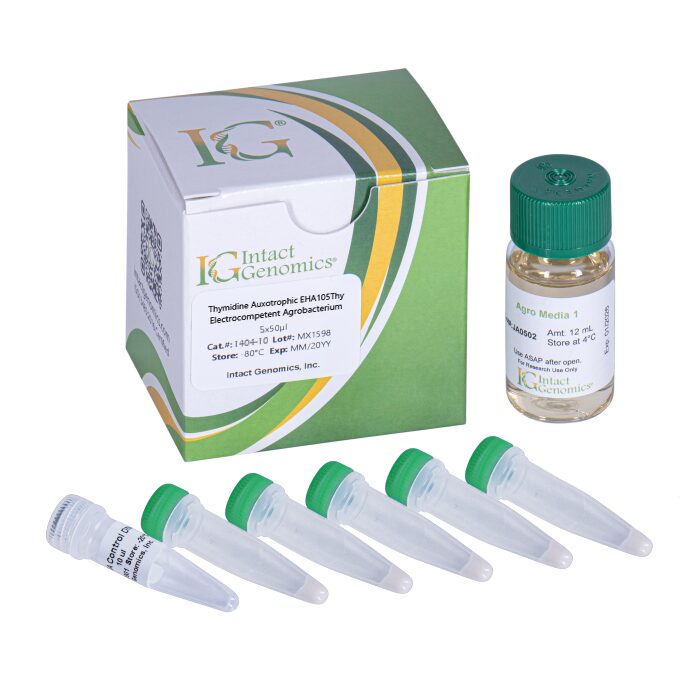
Thymidine Auxotrophic EHA105 Agrobacterium ElectroCompetent Cells
1404-10
5x 50 µL
Simulated Dermal Fluid (BZ457) - 100 mL
BZ457-01
100 mL
Polyclonal BDNF Antibody
APG02253G
0.05mg
Biotin-Recombinant (sf9) Marburg virus glycoprotein (Musoke, HA-tag, >95%), purified
MVGP16-BTN
100 µL
Recent gezochte producten
Gm10413 3'UTR Lenti-reporter-Luc Vector
58197084
1.0 µg
Gm10413 3'UTR Luciferase Stable Cell Line
TU107274
1.0 mL
Gm10413 3'UTR GFP Stable Cell Line
TU157274
1.0 mL
136014-42-1
TBZ0954
unit
Anti-E. coli [HEC10-144.2] - 100 μg
15401-100μg
100 µg
Anti-E. coli [HEC10-144.2] - 1.0 mg
15401-1.0mg
1 mg
EGT1442 10mg
A10155-10
10 mg
EGT1442 100mg
A10155-100
100 mg