
KEAP1 Antilichaam / Kelch-achtige ECH-geassocieerde proteïne 1
Kwaliteit
ISO Gecertificeerd
Levering
24-48 uur
Technische Specificaties
KEAP1 antibody is designed to target Kelch-like ECH-associated protein 1, a critical regulator of cellular redox balance and stress response. The KEAP1 protein functions as a substrate adaptor protein within a Cullin 3-based E3 ubiquitin ligase complex, where it plays a central role in mediating the ubiquitination and subsequent degradation of nuclear factor erythroid 2-related factor 2 (NFE2L2, also known as NRF2) . Under basal conditions, KEAP1 binds NRF2 in the cytoplasm and promotes its proteasomal degradation. This ensures that NRF2 activity remains tightly controlled to prevent unnecessary transcriptional activation of antioxidant response genes. When oxidative or electrophilic stress occurs, modifications on reactive cysteine residues of KEAP1 disrupt its interaction with NRF2, allowing NRF2 to accumulate and translocate to the nucleus to activate protective transcriptional programs.The KEAP1 protein is highly conserved and contains several functional domains, including a Broad-Complex, Tramtrack, and Bric-a-brac (BTB) domain at its N-terminus, which mediates binding to Cullin 3, and multiple Kelch repeats at the C-terminus, which recognize and bind to NRF2. Structural studies have shown that mutations within these domains often impair NRF2 binding, leading to dysregulated antioxidant signaling. KEAP1 itself is encoded by the KEAP1 gene located on chromosome 19p13.2. Mutations and epigenetic changes in KEAP1 are frequently observed in various cancers, including lung adenocarcinoma, squamous cell carcinoma, and hepatocellular carcinoma. These alterations often result in constitutive NRF2 activation, which can confer growth advantages, metabolic adaptation, and chemoresistance to tumor cells.Beyond cancer, KEAP1 has been implicated in chronic diseases characterized by oxidative stress, such as chronic obstructive pulmonary disease, cardiovascular disease, and neurodegenerative disorders like Parkinson's and Alzheimer's disease. By serving as a redox sensor, KEAP1 ensures proper cellular adaptation to fluctuating environmental conditions. The study of KEAP1 and its regulatory loop with NRF2 is central to developing targeted therapeutics aimed at either inhibiting NRF2 in cancer settings or activating it in degenerative and inflammatory diseases. Research tools such as KEAP1 antibody are therefore valuable in exploring protein expression, localization, and interactions across a range of experimental systems, including western blot, immunohistochemistry, immunoprecipitation, and ELISA.In experimental models, KEAP1 levels are often analyzed to understand stress responses at the tissue level. For example, in liver samples, KEAP1 reduction is frequently correlated with increased NRF2 nuclear accumulation, providing insights into hepatoprotective pathways. Additionally, KEAP1 expression can be modulated by environmental toxins, diet, and pharmacological agents, making it a versatile biomarker in toxicology and pharmacology research. The use of reagents like this antibody, available from NSJ Bioreagents, supports cutting-edge investigations into oxidative stress biology and translational medicine.
Western Blot: 0.25-0.5 µg/mL, Immunocytochemistry: 5 µg/mL, Immunofluorescence: 5 µg/mL, Flow cytometry: 1-3ug/million cells, ELISA: 0.1-0.5 µg/mL
Q14145
• Rabbit
Human, Mouse, Rat
E.coli-derived human KEAP1 recombinant protein (Position: K84-K312) was used as the immunogen for the KEAP1 antibody.
• Polyclonal
• IgG
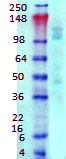
WB, ICC, IF, FACS, ELISA
Immunogen affinity purified
Lyophilized
Each vial contains 4 mg Trehalose, 0.9 mg NaCl, 0.2 mg Na2HPO4.
This KEAP1 antibody is available for research use only.
After reconstitution, the KEAP1 antibody can be stored for up to one month at 4°C. For long-term, aliquot and store at -20°C. Avoid repeated freezing and thawing.
Adding 0.2 ml of distilled water will yield a concentration of 500 ug/ml
Optimal dilution of the KEAP1 antibody should be determined by the researcher.
IF analysis of KEAP1 using anti-KEAP1 antibody (green) . KEAP1 was detected in an immunocytochemical section of cells. Enzyme antigen retrieval was performed using IHC enzyme antigen retrieval reagent for 15 mins. The cells were blocked with 10% goat serum. And then incubated with 5 ug/ml rabbit anti-KEAP1 antibody overnight at 4oC. DyLight 488 Conjugated Goat Anti-Rabbit IgG was used as secondary antibody at 1:100 dilution and incubated for 30 minutes at 37oC. The section was counterstained with DAPI (blue) . Visualize using a fluorescence microscope and filter sets appropriate for the label used.
Beschrijving
KEAP1 antibody is designed to target Kelch-like ECH-associated protein 1, a critical regulator of cellular redox balance and stress response. The KEAP1 protein
Specificaties
Recent bekeken producten

Recombinant TAFV GP1 Protein, C-Fc
EVV03609
100 μg
Gabbr1 Mouse Monoclonal Antibody [Clone ID: S93A-49]
TA326530
100 µg
BSA-Myc/DDK Control Protein
AR100025
50 µL
NH-6
ABC-TC0826
1 Vial
Anti-TAT (Thrombin-antithrombin) Antibody
ABS 014-22-1
1000 µL
Anti-APOE2 mouse monoclonal antibody
TD-AB0132
100 µg
CD35 (CR1) mouse monoclonal antibody, clone J3D3, Azide Free
BM2364
0.2 mg
Anti-KIR2DL1 (Rabbit, Monoclonal, Rabbit mAb)
A115392
100 µL
Recent gezochte producten
Standard UV Quartz Cell With Lid, 45 X 12.5 X 7.5 mm, Inside Width: 10mm, 1.7ml
SQ003
1 UNIT
Semi-Micro UV Quartz Cell With Frosted Walls and with Teflon Stopper
SQ294
1 UNIT
LoxP Reporter Cell Lines: LoxP-RFP Human Fibroblast (1 x 10⁶ cells, Culture)
ABP-RP-CRFPLOXC
1 flask
Neural precursor cell expressed developmentally down-regulated 8 (NEDD8) [C-terminus] polyclonal antibody
ABP-PAB-10327
100 ug
Neural precursor cell expressed developmentally down-regulated 8 (NEDD8) [N-terminus] polyclonal antibody
ABP-PAB-10326
100 ug
B-cell CLL/lymphoma 10 (BCL10) polyclonal antibody
ABP-PAB-10129
100 ug
LoxP Reporter Cell Lines: loxP-lacZ Cell Line
ABP-RP-CLACLOXE
1 vial
Glial cell derived neurotrophic factor (GDNF) polyclonal antibody
ABP-PAB-10125
100 ug