

Kv1.3 Antilichaam, kloon CAR1.1: FITC
Kwaliteit
ISO Gecertificeerd
Levering
24-48 uur
Technische Specificaties
Kv1.3 (KCNA3) is a voltage-gated potassium channel primarily known for its role in regulating membrane potential and cellular excitability. While extensively studied in immune cells, Kv1.3 is also expressed in neurons, microglia, and astrocytes, where it contributes to neuroimmune signaling and homeostatic regulation in the central nervous system. In the context of neurodegenerative disease, Kv1.3 has emerged as a critical modulator of neuroinflammation. Its upregulation in activated microglia has been observed in Alzheimer’s disease, Parkinson’s disease, and multiple sclerosis, where it promotes pro-inflammatory cytokine release, oxidative stress, and neuronal injury. Kv1.3 activity influences calcium signaling and mitochondrial function—two key pathways implicated in neuronal vulnerability and degeneration. Pharmacological inhibition of Kv1.3 has shown promise in preclinical models, reducing microglial activation, preserving synaptic integrity, and improving cognitive outcomes. These findings position Kv1.3 as a potential therapeutic target for modulating neuroinflammatory responses and slowing disease progression. Beyond inflammation, Kv1.3 may also influence neuronal excitability and synaptic plasticity, suggesting broader roles in learning, memory, and neurodegenerative pathophysiology. Its dual presence in immune and neural cells makes Kv1.3 a unique molecular bridge between the immune system and the brain. As interest grows in ion channel-targeted therapies, Kv1.3 stands out as a promising candidate for intervention in neurodegenerative disorders characterized by chronic inflammation and neuronal loss.
Rabbit Anti-Rat Kv1.3 Recombinant Monoclonal IgG Kappa
Kv1.3, KCNA3, KCNA 3, Potassium voltage-gated channel subfamily A member 3, Voltage-gated potassium channel subunit Kv1.3, Voltage-gated potassium channel subunit Kv3, Voltage-gated K (+) channel, HGK5, HLK3, HPCN3, HuKIII, RCK3, RGK5
12352203
Non-hazardous
Non-hazardous
29731
P15384
NP_062143.3
• Rabbit
Synthetic peptide, AA #485-506 (cytoplasmic C-terminus) of Rat Kv1.3.
CAR1.1
FITC
Brain, Thymus, Spleen, Ileum, Lung, Testis, Small Intestine, Heart, Colon, Stomach, Esophagus
Recombinant Monoclonal
WB | IHC | ICC/IF
Neuroscience | Ion Channels | Potassium Channels | Voltage-Gated Potassium Channels | Cell Signaling | Cancer
AmMagTM Ultra AT Protein A MagBeads
1 µg/ml was sufficient for detection of Kv1.3 on Rat Brain Membrane lysate.
1mg/mL
WB (1:1000), IHC (1:100), ICC/IF (1:100) ; optimal dilutions for assays should be determined by the user.; optimal dilutions for assays should be determined by the user.
640.91mM DMSO, 136.36 mM Ethanolamine, 126.89 mM chlorides, 9.09mM phosphates, 9.09mM NaHCO3
Not for use in humans. Not for use in diagnostics or therapeutics. For in vitro research use only.
Blue Ice or 4ºC
Conjugated antibodies should be stored according to the product label
https://www.stressmarq.com/wp-content/uploads/Antibody-MSDS.pdf
Detects region of v1.3 containing the cytoplasmic C-terminus
1. Pan, Y., Sun, J., Deveson, D., Mamo, J. C. L., Takechi, R., Norton, R., Jin, L., & Nicolazzo, J. (2022) . A transcriptomic study reveals beneficial effects of HsTX1 [R14A] on the cognition of a mouse model of sporadic Alzheimer’s disease. Alzheimer's & Demen-tia. DOI: 10.1002/alz.068693 2. Sarkar, S., Nguyen, H. M., Malovic, E., Luo, J., Langley, M., Pal-anisamy, B. N., Singh, N., Manne, S., Neal, M., Gabrielle, M., Abdalla, A., Anantharam, P., Rokad, D., Panicker, N., Singh, V., Ay, M., Charli, A., Harischandra, D., Jin, L.-W., Jin, H., Rangaraju, S., Anantharam, V., Wulff, H., & Kanthasamy, A. G. (2020) . Kv1.3 modulates neuroinflammation and neurodegeneration in Parkinson’s disease. Journal of Clinical Investigation, 130 (8), 4195–4212. DOI: 10.1172/JCI136174 3. Beraldo-Neto, E., Ferreira, V. F., Vigerelli, H., Fernandes, K. R., Juliano, M. A., Nencioni, A. L. A., & Pimenta, D. C. (2024) . Un-raveling neuroprotection with Kv1.3 potassium channel block-ade by a scorpion venom peptide. Scientific Reports. DOI: 10.1038/s41598-024-79152-1
Human | Mouse | Rat
Cell Membrane
IgG Kappa
Rat
Beschrijving
Rabbit Anti-Rat Kv1.3 Recombinant Monoclonal IgG Kappa
Specificaties
Recent bekeken producten
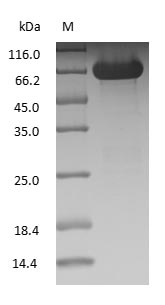
Rat Serum Albumin
CSB-NP000101r-01
1 mg
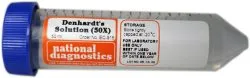
Denhardt's Solution (50X)
EC-915
50 mL

FKBP4, ID (FK506-binding Protein 4, Peptidyl-prolyl cis-trans Isomerase FKBP4, PPIase FKBP4, Rotamase, HSP-binding Immunophilin, HBI, FKBP52 Protein, 52kD FK506-binding Protein, 52kD FKBP, FKBP-52, 59kD Immunophilin, FKBP59, p59 Protein, FKBP-4, FKBP52)
MBS623609-01
0.2 mL
West Nile Virus, NS3 Protease (WNV)
MBS603723-01
0.1 mg
Human Sertoli Cell Complete Medium
MBS2576755-01
100 mL
Urobilinogen protein
MBS5303823-01
100 mg
AffiniPure Goat Anti-Rabbit IgG H&L, HRP conjugated
GTR17765564-01
100 µL
Pribolab® Automatic Immunoaffinity Column Purification System
HWEQ-IM 5050
1 Unit
Recent gezochte producten
Rabbit Polyclonal BDNF Antibody
NBP1-46750-0.025mL
0.025 mL
Total BDNF Quantikine ELISA Kit
DBNT00
96 Tests
Quantikine Immunoassay Control Set 885 for Total BDNF
QC218
1 Set
Total BDNF Quantikine SixPak (6 Plates)
SBNT00
6x 96 Tests
Polyclonal BDNF Antibody (CT)
APG02267G
0.1ml
Polyclonal BDNF Antibody
APG02253G
0.05mg
Polyclonal BDNF Antibody
APG02256G
0.1mg
Polyclonal BDNF Antibody
APG02257G
0.05ml