

PSME3 Antilichaam - C-terminal regio : HRP (ARP46143 T100-HRP)
Kwaliteit
ISO Gecertificeerd
Levering
24-48 uur
Technische Specificaties
Proteasome (prosome, macropain) activator subunit 3 (PA28 gamma; Ki)
Ki, PA28G, HEL-S-283, PA28gamma, REG-GAMMA, PA28-gamma
10197
P61289
NP_005780
• Rabbit
Human, Mouse, Rat, Cow, Dog, Guinea Pig, Horse, Rabbit, Zebrafish
The immunogen is a synthetic peptide directed towards the C terminal region of human PSME3
The 26S proteasome is a multicatalytic proteinase complex with a highly ordered structure composed of 2 complexes, a 20S core and a 19S regulator. Proteasomes are distributed throughout eukaryotic cells at a high concentration and cleave peptides in an ATP/ubiquitin-dependent process in a non-lysosomal pathway. An essential function of a modified proteasome, the immunoproteasome, is the processing of class I MHC peptides. The immunoproteasome contains an alternate regulator, referred to as the 11S regulator or PA28, that replaces the 19S regulator. Three subunits (alpha, beta and gamma) of the 11S regulator have been identified. PSME3 is the gamma subunit of the 11S regulator. Six gamma subunits combine to form a homohexameric ring.The 26S proteasome is a multicatalytic proteinase complex with a highly ordered structure composed of 2 complexes, a 20S core and a 19S regulator. The 20S core is composed of 4 rings of 28 non-identical subunits; 2 rings are composed of 7 alpha subunits and 2 rings are composed of 7 beta subunits. The 19S regulator is composed of a base, which contains 6 ATPase subunits and 2 non-ATPase subunits, and a lid, which contains up to 10 non-ATPase subunits. Proteasomes are distributed throughout eukaryotic cells at a high concentration and cleave peptides in an ATP/ubiquitin-dependent process in a non-lysosomal pathway. An essential function of a modified proteasome, the immunoproteasome, is the processing of class I MHC peptides. The immunoproteasome contains an alternate regulator, referred to as the 11S regulator or PA28, that replaces the 19S regulator. Three subunits (alpha, beta and gamma) of the 11S regulator have been identified. This gene encodes the gamma subunit of the 11S regulator. Six gamma subunits combine to form a homohexameric ring. Two transcript variants encoding different isoforms have been identified.The 26S proteasome is a multicatalytic proteinase complex with a highly ordered structure composed of 2 complexes, a 20S core and a 19S regulator. The 20S core is composed of 4 rings of 28 non-identical subunits; 2 rings are composed of 7 alpha subunits and 2 rings are composed of 7 beta subunits. The 19S regulator is composed of a base, which contains 6 ATPase subunits and 2 non-ATPase subunits, and a lid, which contains up to 10 non-ATPase subunits. Proteasomes are distributed throughout eukaryotic cells at a high concentration and cleave peptides in an ATP/ubiquitin-dependent process in a non-lysosomal pathway. An essential function of a modified proteasome, the immunoproteasome, is the processing of class I MHC peptides. The immunoproteasome contains an alternate regulator, referred to as the 11S regulator or PA28, that replaces the 19S regulator. Three subunits (alpha, beta and gamma) of the 11S regulator have been identified. This gene encodes the gamma subunit of the 11S regulator. Six gamma subunits combine to form a homohexameric ring. Two transcript variants encoding different isoforms have been identified.
SPG7; PRKAB2; PFDN5; BBS2; TNFAIP8L1; EAF1; ZCCHC10; PRR13; TXN2; FBXO7; DIP2A; PSME3; HUWE1; TUBGCP3; SIRT1; CREBBP; PSMD14; SHFM1; GTPBP4; MDM2; ADARB2; C1QBP; PARK2; CLK3; CLK2; YWHAQ; TBXA2R; BAG3; NPM1; ITGA4; CBX2; vpr; vif; HCVgp1; CBX4; VCAM1; UBC
• Polyclonal
HRP: Horseradish Peroxidase
Polyclonal Antibody
WB
PSME3 is strongly supported by BioGPS gene expression data to be expressed in HepG2
0.5 mg/ml
Cow: 100%; Dog: 100%; Guinea Pig: 100%; Horse: 100%; Human: 100%; Mouse: 100%; Rabbit: 100%; Rat: 100%; Zebrafish: 79%
Liquid. Purified antibody is supplied in high phosphate PBS, 100 mm phosphate, 150 mM NaCl, pH 7.6.
All conjugated antibodies should be stored in light-protected vials or covered with a light protecting material (i.e. aluminum foil) . Conjugated antibodies are stable for at least 12 months at 4C. If longer storage is desired (24 months), conjugates may be diluted with up to 50% glycerol and stored at -20C to -80C. Freezing and thawing conjugated antibodies will compromise enzyme activity as well as antibody binding.
29kDa
Pratt, G. (2008) J. Biol. Chem. 283 (19), 12919-12925
Wet Ice
254
PSME3
PSME3
Rabbit
Proteasome activator complex subunit 3
NM_005789
TVTEIDEKEYISLRLIISELRNQYVTLHDMILKNIEKIKRPRSSNAETLY
3
Beschrijving
PSME3 Antilichaam - C-terminal regio : HRP (ARP46143 T100-HRP) Beschikbaar in 100 µL. Bestel eenvoudig online met snelle levering.
Specificaties
Recent bekeken producten
Anti- Protein A Antibody
GWB-E66F30
1 mL
Recombinant TAFV GP1 Protein, C-Fc
EVV03609
100 μg
Gabbr1 Mouse Monoclonal Antibody [Clone ID: S93A-49]
TA326530
100 µg
BSA-Myc/DDK Control Protein
AR100025
50 µL
NH-6
ABC-TC0826
1 Vial
Anti-TAT (Thrombin-antithrombin) Antibody
ABS 014-22-1
1000 µL
Anti-APOE2 mouse monoclonal antibody
TD-AB0132
100 µg
CD35 (CR1) mouse monoclonal antibody, clone J3D3, Azide Free
BM2364
0.2 mg
Recent gezochte producten
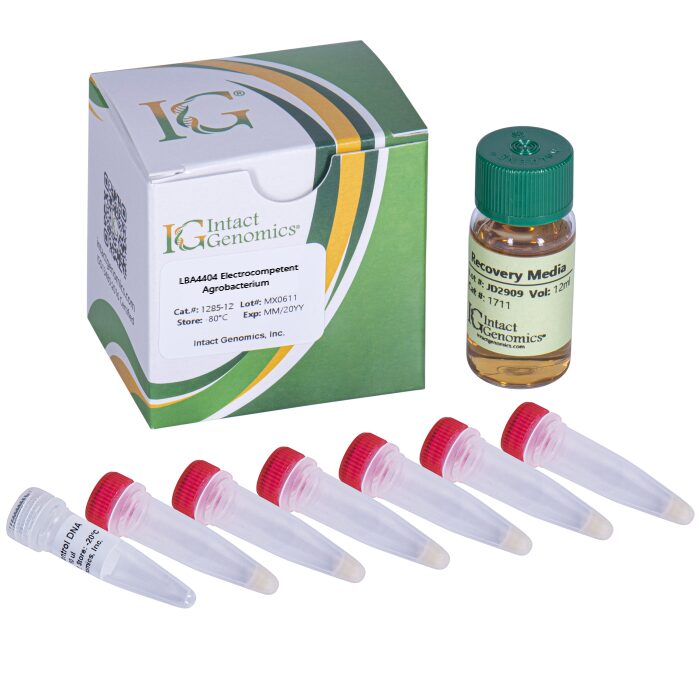
LBA4404 Agrobacterium ElectroCompetent Cells
1285-20
10x 50 µL
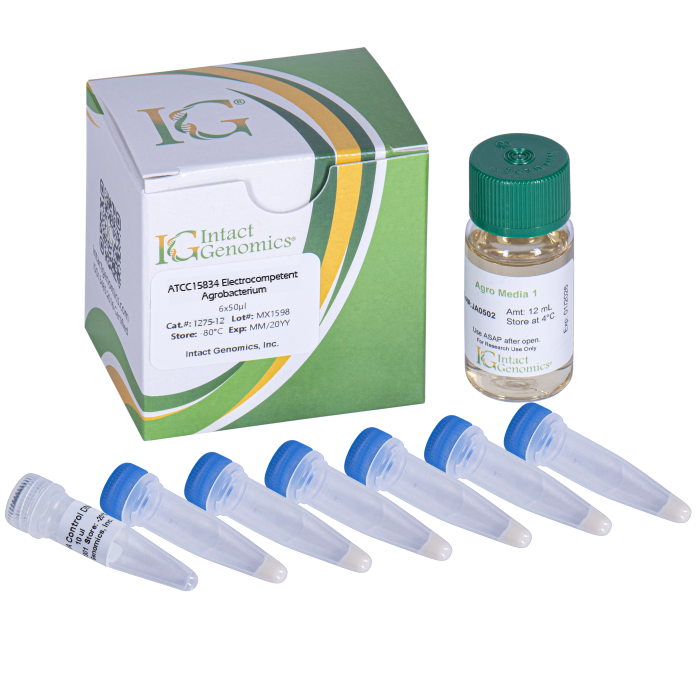
ATCC15834 Agrobacterium ElectroCompetent Cells
1275-36
18x 50 µL
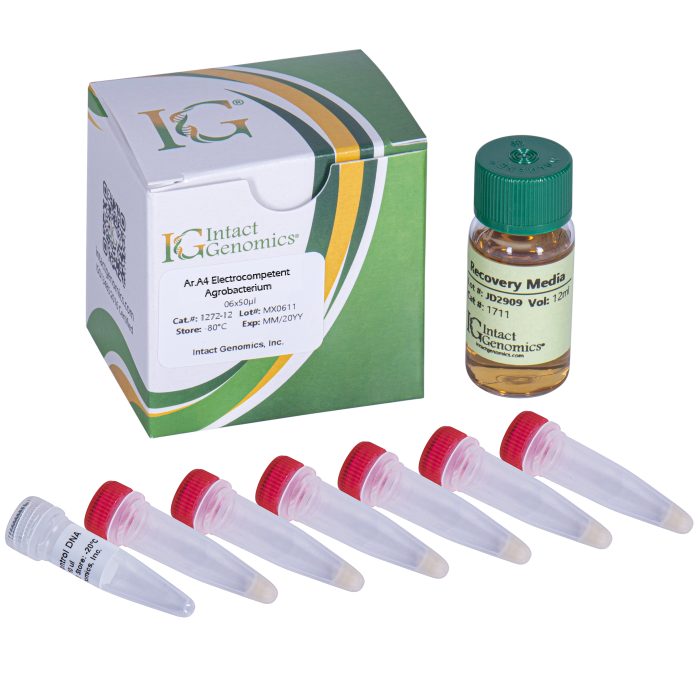
Ar.A4 Agrobacterium ElectroCompetent Cells
1272-12
6x 50 µL
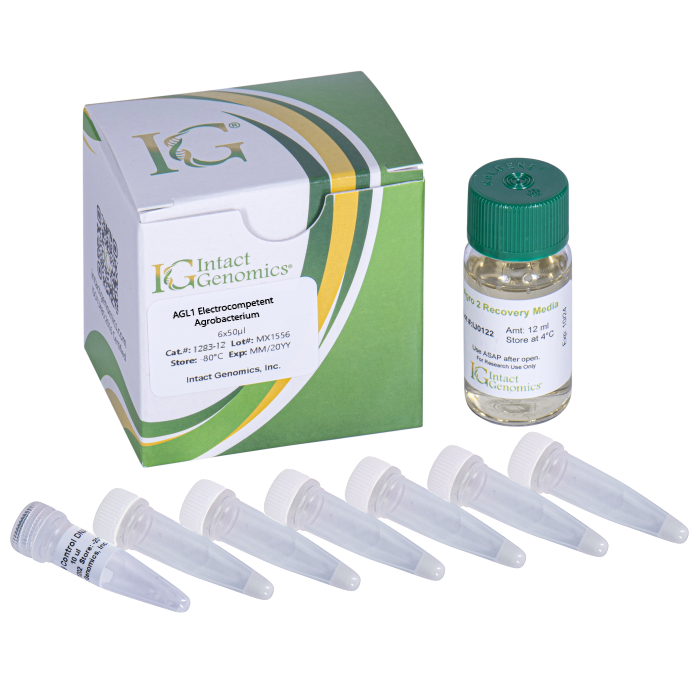
AGL1 Agrobacterium ElectroCompetent Cells
1283-12
6x 50 µL
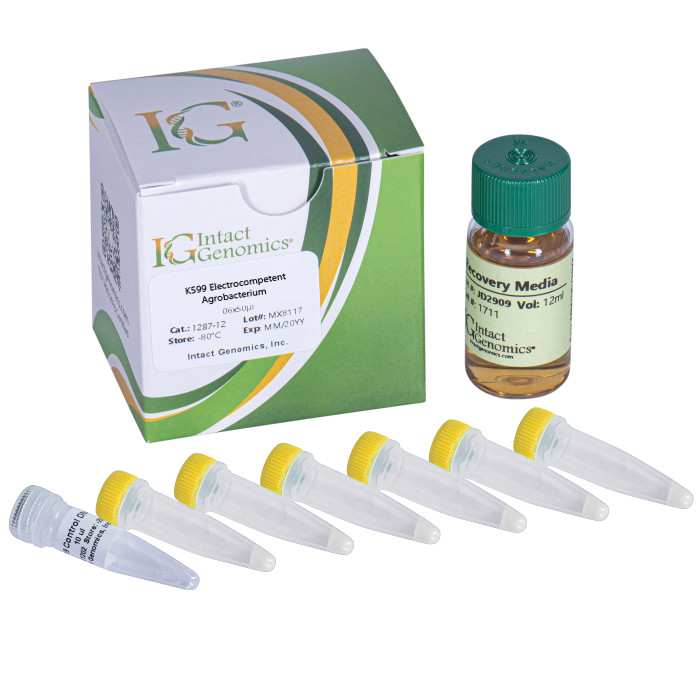
K599 Agrobacterium ElectroCompetent Cells
1287-12
6x 50 µL
AGL1 Agrobacterium ElectroCompetent Cells
1283-20
10x 50 µL
Ar.A4 Agrobacterium ElectroCompetent Cells
1272-36
18x 50 µL
AGL1 Agrobacterium ElectroCompetent Cells
1283-36
18x 50 µL