

RANKL / OPGL / TNFSF11 / CD254 Proteïne (Fc Tag)
Kwaliteit
ISO Gecertificeerd
Levering
24-48 uur
Technische Specificaties
Tumor necrosis factor ligand superfamily member 11, also known as Receptor activator of nuclear factor kappa-B ligand, Osteoprotegerin ligand, TNFSF11, RANKL, TRANCE, OPGL and CD254, is a single-pass type II membrane protein that belongs to the tumor necrosis factor family. The receptor activator of nuclear factor-kappaB ligand (RANKL), its cognate receptor RANK, and its natural decoy receptor osteoprotegerin have been identified as the final effector molecules of osteoclastic bone resorption. RANK and RANKL are key regulators of bone remodeling and regulate T cell/dendritic cell communications, and lymph node formation. Moreover, RANKL and RANK are expressed in mammary gland epithelial cells and control the development of a lactating mammary gland during pregnancy. Genetically, RANKL and RANK are essential for the development and activation of osteoclasts and bone loss in response to virtually all triggers tested. Inhibition of RANKL function via the natural decoy receptor osteoprotegerin (OPG, TNFRSF11B) prevents bone loss in postmenopausal osteoporosis and cancer metastases. Importantly, RANKL appears to be the pathogenetic principle that causes bone and cartilage destruction in arthritis. RANK-RANKL signaling not only activates a variety of downstream signaling pathways required for osteoclast development, but crosstalk with other signaling pathways also fine-tunes bone homeostasis both in normal physiology and disease. In addition, RANKL and RANK have essential roles in lymph node formation, establishment of the thymic microenvironment, and development of a lactating mammary gland during pregnancy.
Ly109l Protein; ODF Protein; OPGL Protein; RANKL Protein; Tnfsf11 Protein; Trance Protein
AAC40113.1
Mouse
Mouse
HFc-Tag
See Datasheet send with the product
< 1.0 EU per μg of the protein as determined by the LAL method
> 95 % as determined by SDS-PAGE
Immobilized mouse Fc-TNFSF11 at 10 μg/mL (100 μL/well) can bind biotinylated human TNFRSF11B-His. The EC50 of biotinylated human TNFRSF11B-His is 0.07-0.17 μg/mL.
505
Lyophilized
PBS, pH 7.4
See Datasheet
50 kDa (glycosylated monomer)
Samples are stable for up to twelve months from date of receipt at -20°C to -80°C. Store it under sterile conditions at -20°C to -80°C. It is recommended that the protein be aliquoted for optimal storage. Avoid repeated freeze-thaw cycles.
HEK 293 cells
Beschrijving
Tumor necrosis factor ligand superfamily member 11, also known as Receptor activator of nuclear factor kappa-B ligand, Osteoprotegerin ligand, TNFSF11, RANKL, T
Specificaties
Recent bekeken producten
SCD polyclonal antibody
GTR18043932-01
50 μL
(KO Validated) SUMO1 Polyclonal Antibody
E-AB-92410-01
60 µL
Salicylate hydroxylase, Microorganism
HY-E70520-01
1 KU
Purified Diphtheria Toxoid protein (cGMP/USP, vaccine grade, ~1500-2500 Lf/ml; Low endotoxin)
DTOX16-N-500
500 µg
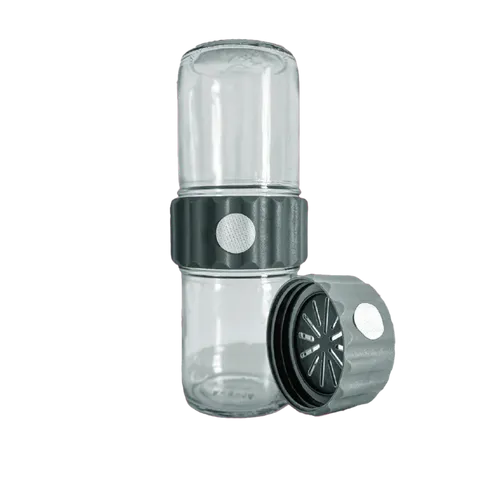
BioCoupler® Glass Set (16 oz) x12
BCS1612
12 Each
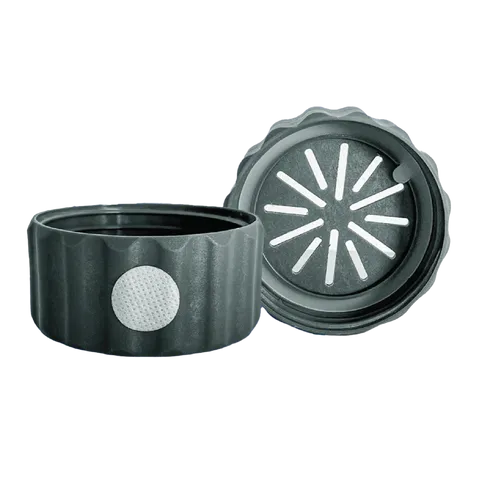
BioCoupler® x 48
BC48
48 Each
BioTilt™ 25 (BT25)
BT25
25 Bundles
Purified Diphtheria Toxoid protein (antigen grade)
DTOX15-N-500
100 µg
Recent gezochte producten
SMRCD Polyclonal Antibody
JOT-AP14328-01
20 µL
MYCD Polyclonal Antibody
JOT-AP11603-01
20 µL
Anti-DCD Polyclonal Antibody
HX130014-01
50 µg
Anti-MYOCD Polyclonal Antibody
HV334024-01
50 µg
Anti-Human FTCD Polyclonal Antibody
HF652014-01
50 µg
Anti-Human PIK3CD Polyclonal Antibody
HT068014-01
50 µg
Anti-Human PRCD Polyclonal Antibody
HD164014-01
50 µg
SCD polyclonal antibody
GTR18043932-01
50 μL