

Recombinant HIV-1 gp41 Long (444-833 a.a.)
Kwaliteit
ISO Gecertificeerd
Levering
24-48 uur
Technische Specificaties
Source : Escherichia Coli. The E.Coli derived protein contains the full-length sequence of N-terminal epitopes of HIV-I gp41 395 amino acids (444-833) immunodominant regions gp41L. The protein is fused to b-galactosidase (114 kDa) at N-Terminus. Human immunodeficiency virus (HIV) is a retrovirusthat can lead to a condition in which the immune systembegins to fail, leading to opportunistic infections. HIV primarily infects vital cells in the humanimmune systemsuch as helper T cells (specifically CD4+ T cells), macrophagesand dendritic cells. HIV infection leads to low levels of CD4+ T cells through three main mechanisms: firstly, direct viral killing of infected cells; secondly, increased rates of apoptosisin infected cells; and thirdly, killing of infected CD4+ T cells by CD8 cytotoxic lymphocytesthat recognize infected cells. When CD4+ T cell numbers decline below a critical level, cell-mediated immunityis lost, and the body becomes progressively more susceptible to opportunistic infections. HIV was classified as a member of the genus Lentivirus, part of the family of Retroviridae. Lentiviruses have many common morphologies and biological properties. Many species are infected by lentiviruses, which are characteristically responsible for long-duration illnesses with a long incubation period. Lentiviruses are transmitted as single-stranded, positive-sense, enveloped RNA viruses. Upon entry of the target cell, the viral RNA genomeis converted to double-stranded DNAby a virally encoded reverse transcriptasethat is present in the virus particle. This viral DNA is then integrated into the cellular DNA by a virally encoded integraseso that the genome can be transcribed. Once the virus has infected the cell, two pathways are possible: either the virus becomes latentand the infected cell continues to function, or the virus becomes active and replicates, and a large number of virus particles are liberated that can then infect other cells.
Greater than 95.0% as determined by HPLC analysis & SDS-PAGE.
8M Urea, 20mM Tris-HCl pH 8.0, 10mM Beta-mercaptoethanol.
HIV-1 gp41 Long although stable at 4°C for 1 week, should be stored below -18°C. Please prevent freeze thaw cycles.
IEFPGIFRPGGGDMRDNWRSELYKYKVVKIEPLGVAPTKAKRRVVQ REKRAVGIGALFLG
Beschrijving
Source : Escherichia Coli. The E.Coli derived protein contains the full-length sequence of N-terminal epitopes of HIV-I gp41 395 amino acids (444-833) immunodom
Specificaties
Recent bekeken producten
Anti-TAT (Thrombin-antithrombin) Antibody
ABS 014-22-1
1000 µL
Anti-APOE2 mouse monoclonal antibody
TD-AB0132
100 µg
CD35 (CR1) mouse monoclonal antibody, clone J3D3, Azide Free
BM2364
0.2 mg
Anti-KIR2DL1 (Rabbit, Monoclonal, Rabbit mAb)
A115392
100 µL
Stains-all
03943-5
5 g
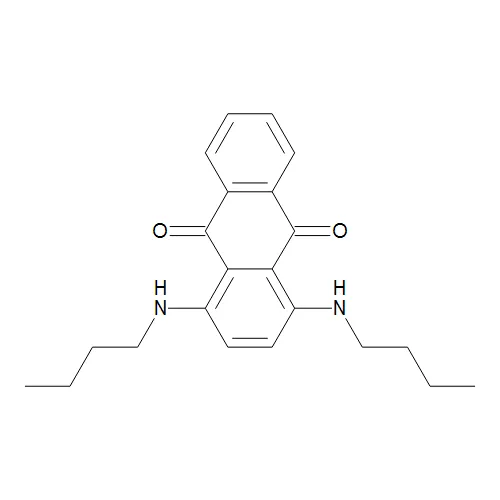
Sudan Blue II;Oil Blue 35
TRC-S688913-500MG
500 mg
Nile Blue A
N8430-01
1 g
Human Apolipoprotein E2 (Apo E2) Antibody
22210-05011
150 µg
Recent gezochte producten
Anti-TAT (Thrombin-antithrombin)
ABS 014-22-1
1 mL
Anti-TAT (Thrombin-antithrombin)
ABS 014-22-04
400 µL
Thrombin-antithrombin monoclonal antibody (22)
BPD-ABS-014-22-1
1 mg
Thrombin-antithrombin monoclonal antibody (22)
BPD-ABS-014-22-04
400 µg
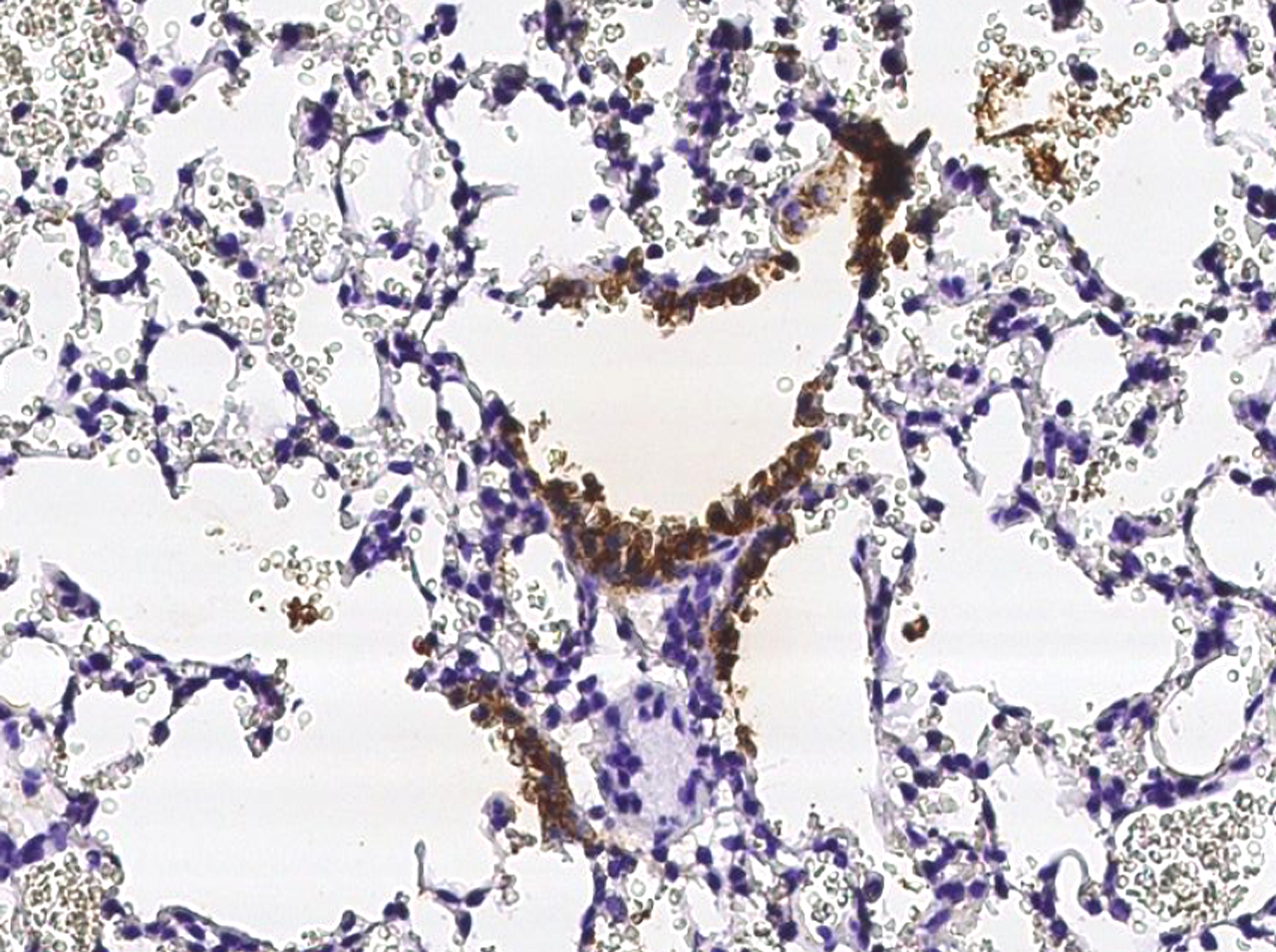
Uteroglobin recombinant monoclonal antibody (122)
ENZ-ABS1014-0100
100 µL
Anti-TAT (Thrombin-antithrombin) Antibody
ABS 014-22-010
100 µL
Anti-TAT (Thrombin-antithrombin) Antibody
ABS 014-22-04
400 uL
Anti-TAT (Thrombin-antithrombin) Antibody
ABS 014-22-1
1000 µL