Recombinant N-Myc Monoklonale Antilichaam
Kwaliteit
ISO Gecertificeerd
Levering
24-48 uur
Technische Specificaties
Members of the Myc/Max/Mad network function as transcriptional regulators with roles in various aspects of cell behavior, including proliferation, differentiation, and apoptosis. These proteins share a common basic-helix-loop-helix leucine zipper (bHLH-ZIP) motif required for dimerization and DNA-binding. Max was originally discovered based on its ability to associate with c-Myc and found to be required for the ability of Myc to bind DNA and activate transcription. Subsequently, Max has been viewed as a central component of the transcriptional network, forming homodimers as well as heterodimers with other members of the Myc and Mad families. The association between Max and either Myc or Mad can have opposing effects on transcriptional regulation and cell behavior. The Mad family consists of four related proteins; Mad1, Mad2 (Mxi1), Mad3, and Mad4, and the more distantly related members of the bHLH-ZIP family, Mnt and Mga. Like Myc, the Mad proteins are tightly regulated with short half-lives. In general, Mad family members interfere with Myc-mediated processes, such as proliferation, transformation, and prevention of apoptosis by inhibiting transcription.In humans the Myc family consists of 5 genes: c-Myc, N Myc, L-Myc, R-Myc, and B-Myc. While c-Myc is expressed in many proliferating cells, N-Myc expression is very restricted, with highest levels in during embryonic development and then in the adult during B-cell development. These expression patterns and results from targeted deletion of N-Myc suggest that N-Myc plays an important role in tissue development and differentiation. In addition, amplification or overexpression of N-Myc has been found in human neuroblastomas and is associated with rapid progression and poor prognosis.
N-Myc
P04198
• Rabbit
Human
Peptide. This information is proprietary to PTMab.
BHLHe; MODED; N-myc; NMYC; ODED; bHLHe37; MYCN; Class E basic helix-loop-helix protein 37; N myc; N myc proto oncogene protein; Neuroblastoma derived v myc avian myelocytomatosis viral related oncogene; Neuroblastoma MYC oncogene; NMYC proto oncogene protein; N-myc proto-oncogene protein; Oncogene NMYC; pp65/67; V myc avian myelocytomatosis viral oncogene neuroblastoma derived homolog; v myc avian myelocytomatosis viral related oncogene neuroblastoma derived; v myc myelocytomatosis viral related oncogene neuroblastoma derived
• Monoclonal
• Recombinant
A754
Unconjugated
WB
Epigenetics and Nuclear Signaling; Cancer
Protein A purified
1 mg/mL
WB 1:50000
PBS, 50% glycerol, 0.05% Proclin 300, 0.05% protein protectant.
Ice bag
Store at -20°C Valid for 12 months. Avoid freeze / thaw cycles.
https://789.bio/eb/Qx9ovV3q
50 kDa
62 kDa
IgG, κ
Beschrijving
Recombinant N-Myc Monoklonale Antilichaam Beschikbaar in 50 µL. Bestel eenvoudig online met snelle levering.
Specificaties
Recent bekeken producten

Fluorescent Nanodiamond in DI water, ~3ppm NV
NDNV70nmHi10ml
10 mL
Ligation Buffer
LB001
1.4 mL
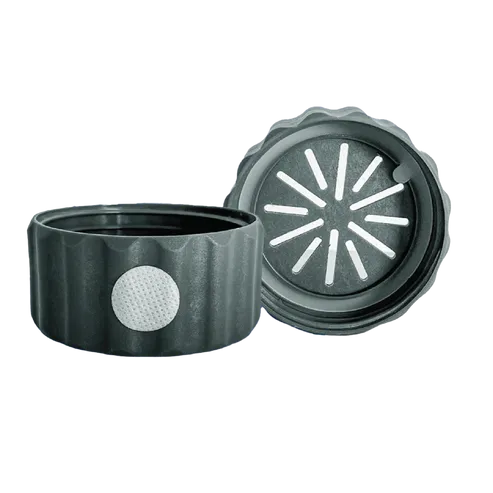
BioCoupler® x 12
BC12
12 Each
Recombinant Common timothy PHLPIV/Phl p 4 Protein, N-His
YZZ03001
100 μg
NP (4-hydroxy-3-nitrophenylacetate)
NP-BSA-03Low – 10 mg
10 mg
NP (4-hydroxy-3-nitrophenylacetate)
NP-BSA-03High – 10 mg
10 mg
ExactaCruz® Pipette Tip Reload System, 50-1250 μl, case
sc-201714
80 Racks/Case
Disc Membrane Hydrophobic PTFE, 0.22μm
CPTB14222
50 PCS
Recent gezochte producten
Bioconjugated Fluorescent Nanodiamond Goat AntiMouse
NDNV100nmOPGantiMouse500ug
500 µg
Bioconjugated Fluorescent Nanodiamond with Biotin
NDNVN120nmbiotin2mg
2 mg
Bioconjugated Fluorescent Nanodiamond with Biotin
NDNVN120nmSpPuBiotin2mg
2 mg
Fluorescent Nanodiamond in DI water, < 1ppm NV
NDNV20nmMd10ml
10 mL
Fluorescent Nanodiamond in DI water, ~1.5ppm NV
NDNV30nmHi10ml
10 mL
Fluorescent Nanodiamond in DI water, ~1.5 ppm NV
NDNV40nmHi10ml
10 mL
Fluorescent Nanodiamond in DI water, ~2ppm NV
NDNV50nmHi10ml
10 mL
Fluorescent Nanodiamond in DI water, ~2ppm NV
NDNV70nmMd10ml
10 mL