

VEGFA (NM 001025366) Humaan Recombinant eiwit
Kwaliteit
ISO Gecertificeerd
Levering
24-48 uur
Technische Specificaties
This gene is a member of the PDGF/VEGF growth factor family. It encodes a heparin-binding protein, which exists as a disulfide-linked homodimer. This growth factor induces proliferation and migration of vascular endothelial cells, and is essential for both physiological and pathological angiogenesis. Disruption of this gene in mice resulted in abnormal embryonic blood vessel formation. This gene is upregulated in many known tumors and its expression is correlated with tumor stage and progression. Elevated levels of this protein are found in patients with POEMS syndrome, also known as Crow-Fukase syndrome. Allelic variants of this gene have been associated with microvascular complications of diabetes 1 (MVCD1) and atherosclerosis. Alternatively spliced transcript variants encoding different isoforms have been described. There is also evidence for alternative translation initiation from upstream non-AUG (CUG) codons resulting in additional isoforms. A recent study showed that a C-terminally extended isoform is produced by use of an alternative in-frame translation termination codon via a stop codon readthrough mechanism, and that this isoform is antiangiogenic. Expression of some isoforms derived from the AUG start codon is regulated by a small upstream open reading frame, which is located within an internal ribosome entry site. The levels of VEGF are increased during infection with severe acute respiratory syndrome coronavirus 2 (SARS-CoV-2), thus promoting inflammation by facilitating recruitment of inflammatory cells, and by increasing the level of angiopoietin II (Ang II), one of two products of the SARS-CoV-2 binding target, angiotensin-converting enzyme 2 (ACE2) . In turn, Ang II facilitates the elevation of VEGF, thus forming a vicious cycle in the release of inflammatory cytokines. [provided by RefSeq, Jun 2020]
Purified recombinant protein of Human vascular endothelial growth factor A (VEGFA), transcript variant 1, expressed in Pichia Pastoris, 200ug.
MVCD1; VEGF; VPF
7422
P15692
NM_001025366
6p21.1
Pichia
Tag Free
Bladder cancer, Cytokine-cytokine receptor interaction, Focal adhesion, mTOR signaling pathway, Pancreatic cancer, Pathways in cancer, Renal cell carcinoma, VEGF signaling pathway
Bladder cancer, Cytokine-cytokine receptor interaction, Focal adhesion, mTOR signaling pathway, Pancreatic cancer, Pathways in cancer, Renal cell carcinoma, VEGF signaling pathway
>50 ug/mL as determined by microplate BCA method
> 95% as determined by SDS-PAGE and Coomassie blue staining
Lyophilized
Lyophilized from a sterile solution containing 1xPBS, pH7.4
Druggable Genome, Secreted Protein
23.9 kDa
Stable for 1 year at -20°C or below from date of shipment. For maximum recovery of product, centrifuge the original vial after thawing and opening the cap. For long-term storage, aliquot and store at -20°C or below. Avoid repeated freeze-thaw cycles.
VEGFA
Human
NP_001020537
https://www.ncbi.nlm.nih.gov/gene/7422
https://www.uniprot.org/uniprot/P15692
https://www.ncbi.nlm.nih.gov/nuccore/NM_001025366
https://www.ncbi.nlm.nih.gov/nuccore/NP_001020537
Beschrijving
VEGFA (NM 001025366) Humaan Recombinant eiwit Beschikbaar in 200 µg. Bestel eenvoudig online met snelle levering.
Specificaties
Recent bekeken producten
Ligation Buffer
LB001
1.4 mL
BioCoupler® x 12
BC12
12 Each
Recombinant Common timothy PHLPIV/Phl p 4 Protein, N-His
YZZ03001
100 μg
NP (4-hydroxy-3-nitrophenylacetate)
NP-BSA-03Low – 10 mg
10 mg
NP (4-hydroxy-3-nitrophenylacetate)
NP-BSA-03High – 10 mg
10 mg
ExactaCruz® Pipette Tip Reload System, 50-1250 μl, case
sc-201714
80 Racks/Case
Disc Membrane Hydrophobic PTFE, 0.22μm
CPTB14222
50 PCS
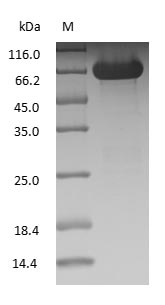
Rat Serum Albumin
CSB-NP000101r-01
1 mg
Recent gezochte producten
NIT2 Human qPCR Primer Pair (NM_020202)
HP213556
200 Reactions
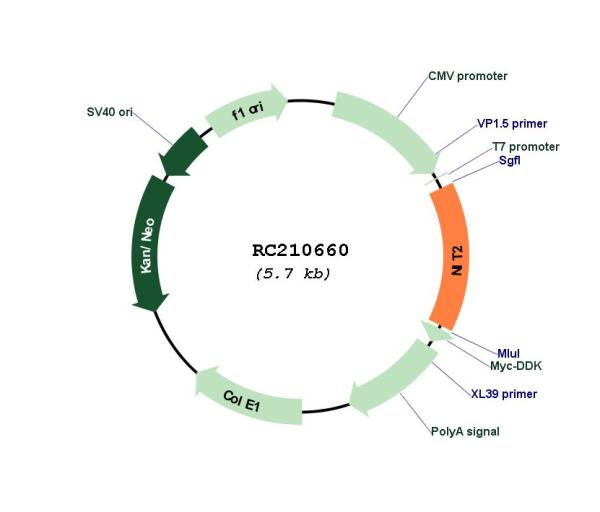
NIT2 (NM_020202) Human Tagged ORF Clone
RC210660
10 µg
Human NIT2 (NM_020202) AAV Particle
RC210660A1V
250 µL
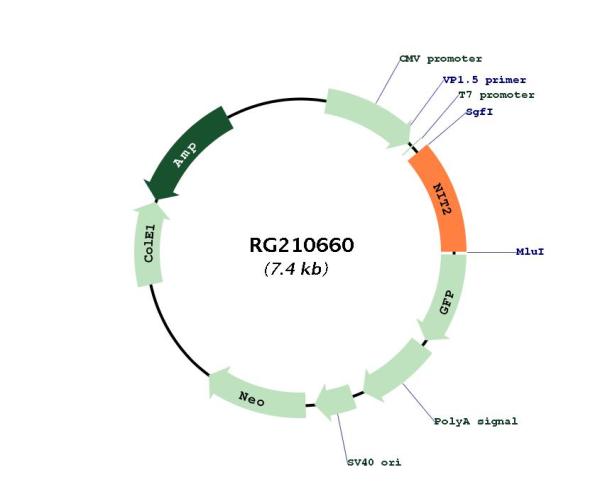
NIT2 (NM_020202) Human Tagged ORF Clone
RG210660
10 µg
NIT2 (NM_020202) Human Untagged Clone
SC108295
10 µg
NIT2 (NM_020202) Human 3' UTR Clone
SC204925
10 µg
LHX9 (NM_020204) Human 3' UTR Clone
SC210775
10 µg
Anti-h ST2 10202 SPTN-5
MBS5680565-01
1 mg