

Follistat likeprote1 / FSTL1
Kwaliteit
ISO Gecertificeerd
Levering
24-48 uur
Technische Specificaties
Follistatin-like protein 1 (FSTL1) is a widely-expressed, extracellular glycoprotein that is homologously grouped into the osteonectin (BM-40/SPARC) family of secreted proteins based on its possession of both a follistatin-like and extracellular calcium-binding domain. Initially identified as a TGF-beta-inducible protein in a cloned mouse osteoblast cell line, FSTL1 has since been implicated in an array of cell-type-specific functions, such as the regulation of proliferation, differentiation, apoptosis and migration, as well as a number of biological processes, including embryonic development, inflammatory response, angiogenesis, tumorigenesis, and immune disease pathogenesis. Highly conserved across mammalian species and widely expressed in human tissues, FSTL1 can be upregulated through signaling mediators of the innate immune system, such as TLR4 agonists and the arthritogenic cytokine IL-1beta via NFκB pathways, to stimulate the expression and secretion of pro-inflammatory cytokines, including TNF-alpha, IL-1beta, IL-6 and IL-8. While cells of mesenchymal lineage are capable of FSTL1 production, FSTL1 expression is notably absent from cells of hematopoietic lineage under normal physiological conditions. Macrophages and monocytes are, however, capable of taking up FSTL1 at sites of inflammation where FSTL1 stimulation can cause the expression of caspase-1 and its resultant enzymatic cleavage of active IL-1beta from pro-IL-1beta. Whereas the overexpression of FSTL1 has been noted as a substantial contributor to the progression of immune diseases like rheumatoid arthritis (RA) and osteoarthritis (OA), diminished FSTL1 serum levels have been identified as playing a significant part in both ovarian and endometrial carcinogenesis, where it directly affects cell proliferation, migration and invasion. The CHO cell-derived recombinant human FSTL1 is a 288-amino-acid-length glycoprotein with a calculated molecular weight of 32.7 kDa; however, due to glycosylation, protein migration occurs at an apparent molecular weight of approximately 50-55 kDa by SDS-PAGE analysis under both reducing and non-reducing conditions.
Follistatin-like protein 1, FSL1, Follistatin-related protein 1, FRP, OCC1, OCC-1, TGF-β1-stimulated clone 36, TSC-36
11167
Q12841
NP-009016.1
NM_007085.4
Human
Human
EEELRSKSKI CANVFCGAGR ECAVTEKGEP TCLCIEQCKP HKRPVCGSNG KTYLNHCELH RDACLTGSKI QVDYDGHCKE KKSVSPSASP VVCYQSNRDE LRRRIIQWLE AEIIPDGWFS KGSNYSEILD KYFKNFDNGD SRLDSSEFLK FVEQNETAIN ITTYPDQENN KLLRGLCVDA LIELSDENAD WKLSFQEFLK CLNPSFNPPE KKCALEDETY ADGAETEVDC NRCVCACGNW VCTAMTCDGK NQKGAQTQTE EEMTRYVQEL QKHQETAEKT KRVSTKEI
< 0.1 ng/µg of protein (< 1EU/µg)
> 95% by SDS-PAGE & HPLC analyses
Measured by its binding ability in a functional ELISA. When recombinant human Follistatin like 1/FSTL1 is coated at 200 ng/well, the concentration of recombinant human BMP-4 that produces 50% of the optimal binding response is found to be approximately 250 ng/mL.
288
Lyophilized
50-55 kDa
CHO cells
Beschrijving
Follistatin-like protein 1 (FSTL1) is a widely-expressed, extracellular glycoprotein that is homologously grouped into the osteonectin (BM-40/SPARC) family of s
Specificaties
Recent bekeken producten
Anti-TAT (Thrombin-antithrombin) Antibody
ABS 014-22-1
1000 µL
Anti-APOE2 mouse monoclonal antibody
TD-AB0132
100 µg
CD35 (CR1) mouse monoclonal antibody, clone J3D3, Azide Free
BM2364
0.2 mg
Anti-KIR2DL1 (Rabbit, Monoclonal, Rabbit mAb)
A115392
100 µL
Stains-all
03943-5
5 g
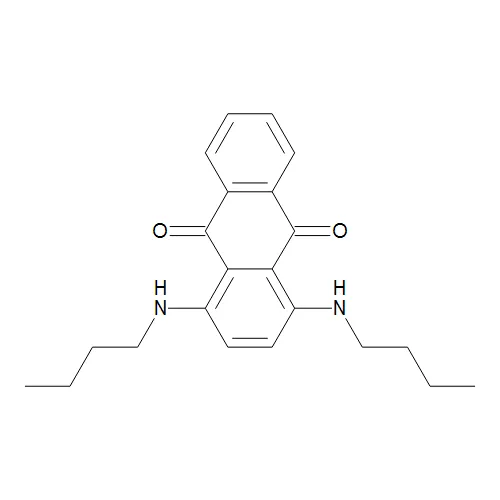
Sudan Blue II;Oil Blue 35
TRC-S688913-500MG
500 mg
Nile Blue A
N8430-01
1 g
Human Apolipoprotein E2 (Apo E2) Antibody
22210-05011
150 µg
Recent gezochte producten
QuickAntibody Mouse2W (2-week standard mouse polyclonal antibody preparation adjuvant)
E28X0210043
1 mL
Mouse Polyclonal Nanos2 Antibody
H00339345-B01P
50 µg
CBS polyclonal antibody
BS6545-01
50 µL
CBS polyclonal antibody
BS90205
50ul
EPO polyclonal antibody
GTR18043715-01
50 μL
SHB polyclonal antibody
GTR18213369-01
50 μL
SHB polyclonal antibody
GTR18291465-01
50 µL
CSTB polyclonal antibody
GTR18295782-01
50 µL