

PAI-2
Kwaliteit
ISO Gecertificeerd
Levering
24-48 uur
Technische Specificaties
PAI-2 is an inhibitory serpin expressed mainly in keratinocytes, activated monocytes, and placental trophoblasts. It exists predominantly as a 47 kDa nonglycosylated intracellular protein which can be induced to be secreted as 60 kDa glycoprotein. The glycosylated and unglycosylated forms of PAI-2 are equally effective as inhibitors of urokinase-type plasminogen activator (uPA), the only established physiological target of this serpin. PAI-2 has a unique ability to form dormant polymers spontaneously and reversibly under physiological conditions. The physiological relevance of this property, which is neither a consequence of any mutation in the PAI-2 gene nor associated with any known disorder, is still unclear. However, it appears that the formation of intracellular dormant polymers may be important for the controlled release of the inhibitor from PAI-2 producing cells. Plasma levels of PAI-2 are usually low or undetectable, except during pregnancy and in some forms of monocytic leukemia. Secretion of PAI-2 from the placenta normally occurs during the third trimester of pregnancy and accounts for the dramatic increase in PAI-2 levels (up to 250 ng/ml), which are maintained at these levels until postpartum, and then rapidly decline. In addition to its vital role in protecting the placenta from degradation by uPA and/or uPA-activated proteases, PAI-2 has been shown to be essential for the prevention of metastatic spread of neck, lung and breast cancers. The beneficial effect of PAI-2 seen in these studies is presumed to stem from its ability to inhibit uPA-dependent cell dissemination. PAI-2 has also been reported to inhibit keratinocyte proliferation, and to participate in the innate immune response during viral infection. Recombinant human PAI-2 is a 415-residue nonglycosylated protein.
Plasminogen Activator Inhibitor-2, Urokinase Inhibitor
5055
P05120
NP_002566.1
NM_002575.2
18q21.3
Human
Mouse
MEDLCVANTL FALNLFKHLA KASPTQNLFL SPWSISSTMA MVYMGSRGST EDQMAKVLQF NEVGANAVTP MTPENFTSCG FMQQIQKGSY PDAILQAQAA DKIHSSFRSL SSAINASTGN YLLESVNKLF GEKSASFREE YIRLCQKYYS SEPQAVDFLE CAEEARKKIN SWVKTQTKGK IPNLLPEGSV DGDTRMVLVN AVYFKGKWKT PFEKKLNGLY PFRVNSAQRT PVQMMYLREK LNIGYIEDLK AQILELPYAG DVSMFLLLPD EIADVSTGLE LLESEITYDK LNKWTSKDKM AEDEVEVYIP QFKLEEHYEL RSILRSMGME DAFNKGRANF SGMSERNDLF LSEVFHQAMV DVNEEGTEAA AGTGGVMTGR TGHGGPQFVA DHPFLFLIMH KITNCILFFG RFSSP
< 0.1 ng/µg of protein (< 1EU/µg)
> 95% by SDS-PAGE & HPLC analyses
Determined by its inhibitory effect against single chain tPA induced cleavage of a chromogenic substrate in Imidazole Buffer at 37°C. Half maximal inhibition against 1.0 μg/ml of single chain tPA was obtained at a concentration of 1.0 μg/ml
415
Lyophilized
45.6 kDa
E. coli
Beschrijving
PAI-2 is an inhibitory serpin expressed mainly in keratinocytes, activated monocytes, and placental trophoblasts. It exists predominantly as a 47 kDa nonglycosy
Specificaties
Recent bekeken producten
Anti-APOE2 mouse monoclonal antibody
TD-AB0132
100 µg
CD35 (CR1) mouse monoclonal antibody, clone J3D3, Azide Free
BM2364
0.2 mg
Anti-KIR2DL1 (Rabbit, Monoclonal, Rabbit mAb)
A115392
100 µL
Stains-all
03943-5
5 g
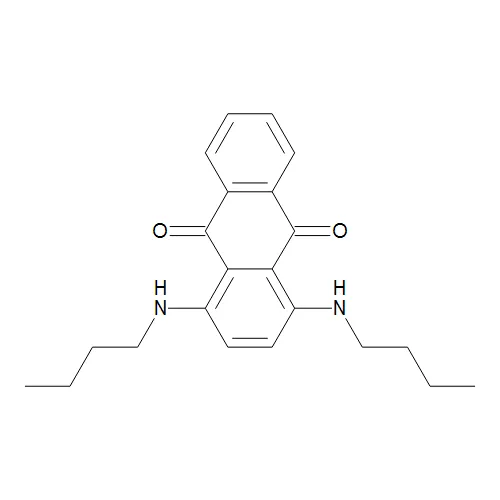
Sudan Blue II;Oil Blue 35
TRC-S688913-500MG
500 mg
Nile Blue A
N8430-01
1 g
Human Apolipoprotein E2 (Apo E2) Antibody
22210-05011
150 µg
MycoBlue Mycoplasma Detector
D101-02
50 Reactions
Recent gezochte producten
Anti-APOE2 mouse monoclonal antibody
TD-AB0132
100 µg
CBX2 antibody
FNab01329
100 µg
Goat anti-REP2 Polyclonal antibody
AB0132-100
300 µg
Polyester Tape J2000 101mmx30m
LAB0132
1 Each
Herasafe 2030i 1.8 Basic
CAB0132
1 Each
Urolithin M5
AB0132
20 mg
Anti-CBX2 antibody
PAab01329
100 µg
Anti-CBP,EIF4E antibody
PAab01323
100 µg